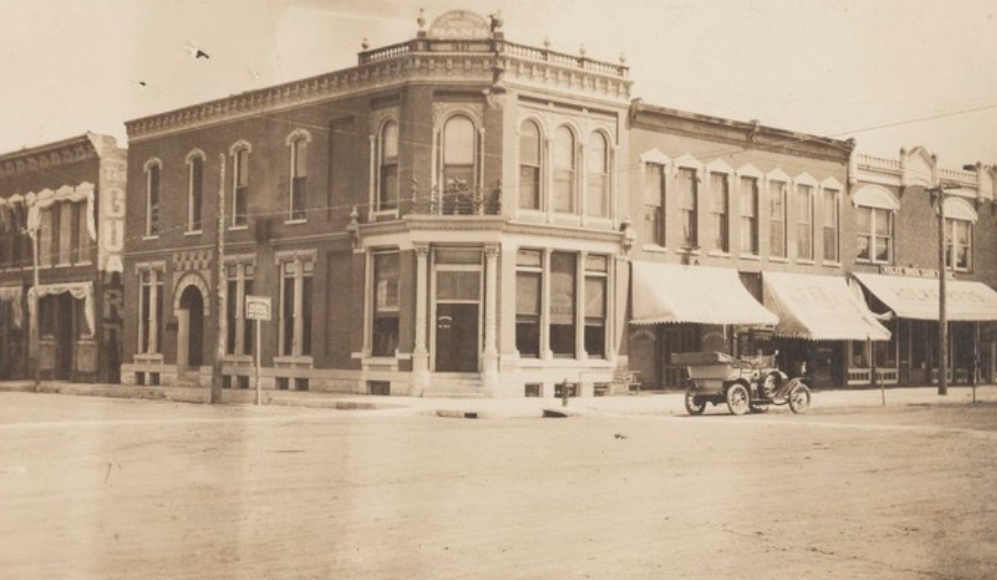
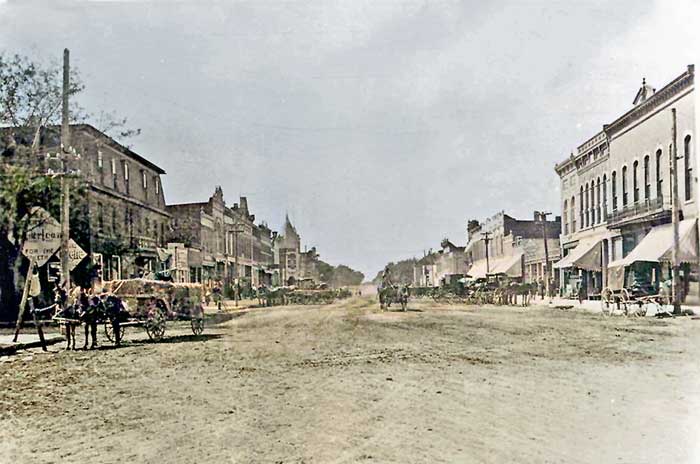
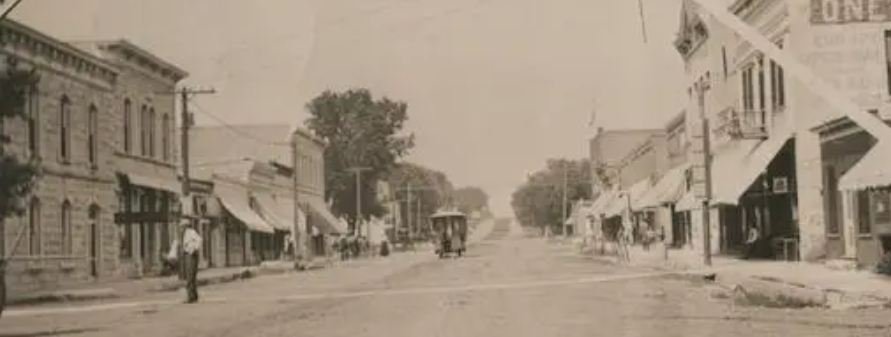
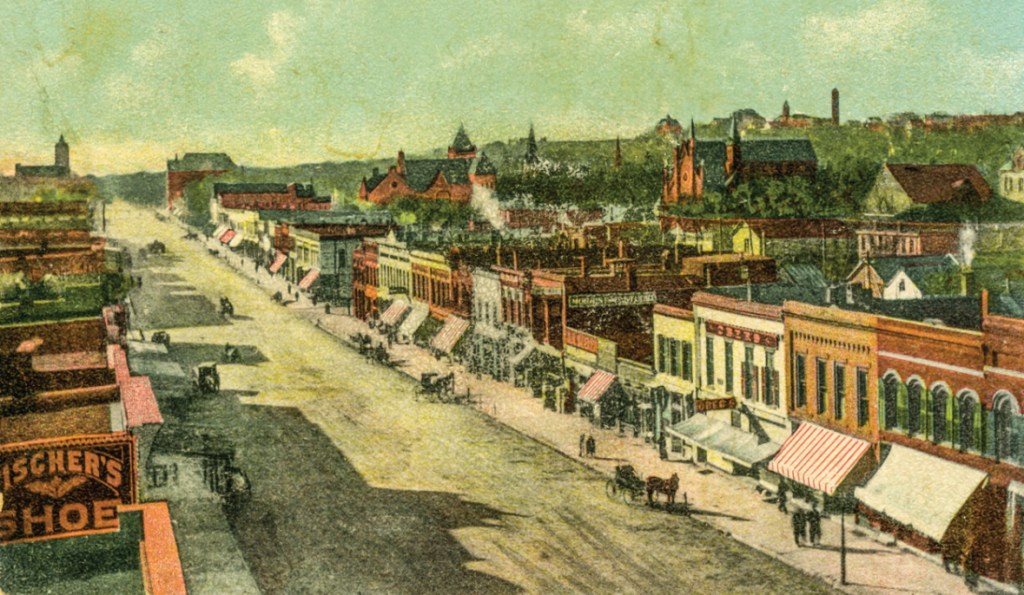
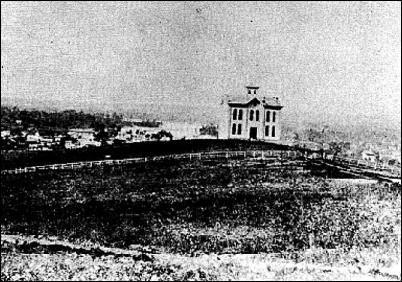
During the latter part of the 19th Century, at the Kansas-end of the Texas-to-Kansas Chisholm Trail, an unruly establishment sprang up. Located just outside of Wichita. This new establishment, a cowtown. Laden with gambling. A place where saloons and brothels far outnumbered any churches. At the Kansas end of the Chisholm Trail, this raucous establishment was a place where cowboys – weary from cattle drives – could rest up. Enjoy bourbon. Play cards. Before heading back out on the road. This congregation-of-cowboys along the Chisholm Trail became, Delano.

Delano in the 1870’s became an unruly cowtown on the Chisholm Trail. So let’s look at how this Kansas cowtown came to be.

The emergence of Delano as a Kansas cowtown had been foundationally based upon, a convergence. Our convergence being, an over-abundance of cattle during the 1870’s in Texas. Coupled to a shortage of cattle during the 1870’s on the East Coast.

As one part of the country – Texas – had an abundance of cattle, and one part of the country – the East Coast – had a shortage of cattle, a business opportunity presented itself. Hence, our Chisholm Trail. Hence, Jesse Chisholm. And within the circumstances of this need – cattle to be shipped to the East Coast – we have our catslyst, for Delano.

To optimize this opportunity in the cattle business, Jessse Chisholm figured out that an establishment of a trail, starting out in Texas, and ending in Wichita, would enable cattle to be transported from where there had been an abundance of cattle – Texas – to where there had been a shortage of cattle – the EastCoast. As the Chiron Trail formed, Wichita was the perfect endpoint. Cattle transported from Texas (the Chisholm Trail began in San Antonio) to Wichita could then be shipped off to where there had been demand. With limited supply. The East Coast.

Cattle were shipped north…along Jesse’s Trsil. Delano. To Wichita. Located right next to Wichita, had been Delano. 

Delano was built upon the cattle-shipping industry. Delano’s growth, made possible through Jesse Chisolm’s 500-plus mile trail. From San Antonio to Wichita.

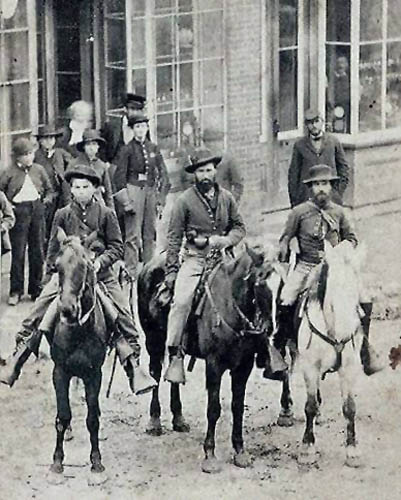
Along with the growth of the cattle shipping industry in Wichita, you had cowboys. And while Wichita was the established city, just next door to Delano – as Wichita had rules, and a sheriff…and laws, with a jail – Delano had no such checkpoints. 

During the 1870’s, there was no sheriff in Delano. During the 1870’s there was no law enforcement in Delano. No jail. Just across the Arkansas River from Wichita, to west. No rules in Delano. And right across the river from Delano, in Wichita, lots of trail-weary cowboys. That’s how Delano grew. 

The growth of Delano accompanied Wichita’s growth as a cattle shipping hub. Thanks yo the Chiron Trail.

Cattle drives from Texas – where there had been an abundance of cattle in the 1870’s – ending up in Wichita. Once the cattle got to Wichita from Texas, Wichita railroads transported cattle from Wichita to the East Coast. A major industry took hold – and grew -in Wichita. Facilitating Wichita’s cattle shipping industry, the Atchison, Topeka and Santa Fe Railroad was extended to Wichita in 1872. With the cattle industry in place, with the arrival of the railroad, Wichita became “Cowtown.” 

And just across the river from Cowtown, cowboys enjoyed their bourbon. And gambling. With no sheriff. With no jail. Hence, we have Delano. 

Delano. The perfect “wild west city” – with no law enforcement, with no sheriff, with saloons and with brothels – for Wichita’s cattle industry cowboys.

Today, Delano is a neighborhood in Wichita. Wichita annexed Delano in 1880. So, by the end of the 1870’s, Delano as an independent town, frequented by raucous cowboys, was no more. Integrated into Wichita – then locally becoming known as West Wichita – Delano adopted the rules of its city, just across the river. 

By 1880, Delano’s existence as a playground for cowboys – with no sheriff, with no jail – was no more. 
Sweden in Kansas


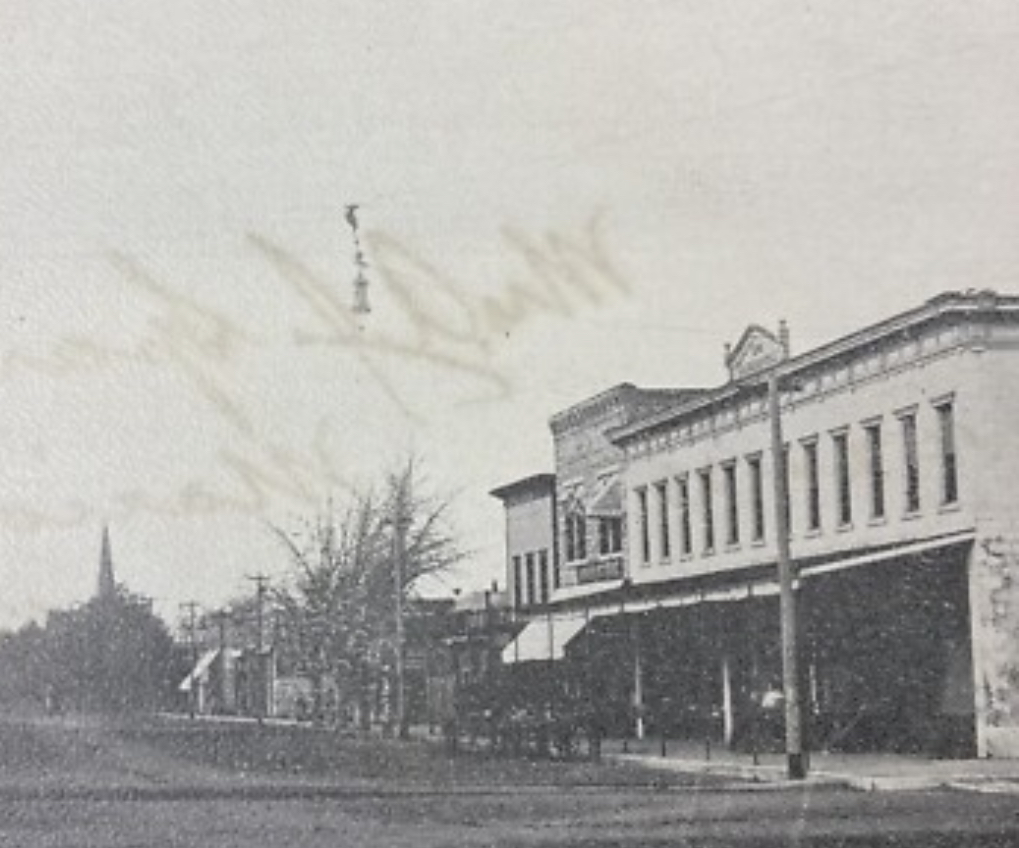
Located near the center of the Sunflower State you will find a city whose history – and whose present-day “DNA” – link to old world Europe. And to be more specific, to Sweden. 

A city nestled cozily in Kansas’s Smoky Valley. A farming community in the heart of Kansas’s wheat belt.

This city, with a two square mile footprint, and just about 4,000 townsfolk, is Lindsborg. “Little Sweden.”

Lindsborg was settled in 1869 by a group of immigrants from Sweden who ventured into America’s heartland. As the influence of Sweden on Lindsborg traces back to this Kansas City’s origin, to this day, three out of ten of those who call Lindsborg “home” have Swedish heritage.

In the very beginning…

Located in McPherson County on the Smoky Valley Scenic Byway, a late-Nineteenth Century expedition to this new state of Kansas, an expedition headed by a Swedish clergyman, an expedition to what would go on to become a city named after members of a Chicago coalition of farmers was headed by Olof Olsson.

Born in Varmland, Sweden, Olof Olsson studied at Stockholm University, graduating from Sweden’s Uppsala University.

Together with his group of a few hundred Swedes, Olsson headed Kansas. To become a pastor. For his Kansas settlement, Olsson envisioned a community which could be founded upon religion, education, business and farming. 

Ten years after Olsson’s arrival – in 1879 – Lindsborg was incorporated as a city.

Lindsborg…

Translated from Swedish to English, Lindsborg is Linden Castle.

The “Lind” in Lindsborg…

Kansas’s “Little Sweden” – with its limestone buildings accentuating Main Street downtown -.is named for four Swedish townsfolk who proved to be instrumental to Lindsborg’s formation. These four men – N. P. Linde, S. P. Lindgren, S. A. Lindell, and J. O. Lindh. The “Lind’s” in Lindsborg. 

As the foundation for Lindsborg had been laid, Linde, Lindgren, Lindell and Lindgren were members of Svenska Lantbrukskompaniet. A Chicago company with a Swedish name, Svenska Lantbrukskompaniet translated to English is, First Swedish Agricultural Company.


First Swedish Agricultural Company of McPherson County was organized in 1868 in Chicago.

With the formation of First Swedish Agricultural Company of McPherson County, the new entity’s parent company – Chicago Swedish Company – sent agents to McPherson County to buy land. Land which would be used for farming. 

Lindsborg, with its fertile soil, coupled to its location along the Smoky Hill River, was perfect. Farming in Lindsborg took hold.


Olsson’s arrival. Land acquisition by First Swedish Agricultural Conpany. The beginning of Lindsborg. Olsson, Linde, Lindgren, Lindell and Lindh being the forefathers for this new Smoky Valley farming community in Kansas’s wheat belt.


Svensk Hyllingsfest…

Speaking to Lindsborg’s Swedish history, it is fitting to also note Lindsborg’s Swedish present.

“Little Sweden” is home to the Swedish Honoring Festival. Translated from English to Swedish, Swedish Honoring Festival is Svensk Hyllningfest. 

Held every two years in Lindsborg, the Swedish Honoring Festival is a biennial celebration of Lindsborg’s Swedish heritage.

Folk dancing. The parade. Musicians. Local artists. Cuisine. Svensk Hyllingfest.


Children in school in Lindsborg start their preparation for Svensk Hyllingfest, beginning in the first grade. As Svensk Hyllingfest is a part of a child’s classroom experience. 

And the integration of Swedish culture into classroom curriculum in Lindsborg does not end in the eighth grade. It continues on. Through high school.

High school students in Lindsborg prepare to participate in Svensk Hyllingfest as ambassadors. Selected as Svenska Hyllingfest Swedish Folk Dancers in a four-year ambassadorships program.

As ambassadors, theses students interact with the Lindsborg community. Promoting the continuation of an active Swedish culture in Lindsborg. While erstwhile, continuing their preparation for Svensk Hyllingfest.

A biennial October celebration, Svensk Hyllingfest has been an autumn stalwart in “Little Sweden” for over eighty years.

This October, in just about two months, Svenska Hyllingfest kicks off once again. In Lindsborg.

Council Grove, Kansas


What is so very interesting about our nation’s history can be discovered through historical connections we make between famous Americans, and quite often, places we frequent. Or, places we visit. Or, in my case, the restaurant which serves the best bread pudding.

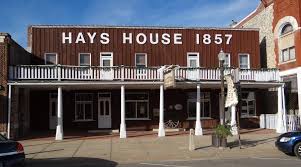
One of my – How did this come to be? – started off as an affinity for bread pudding. Bread pudding in Council Grove, Kansas. Bread pudding served at Hays House 1857.

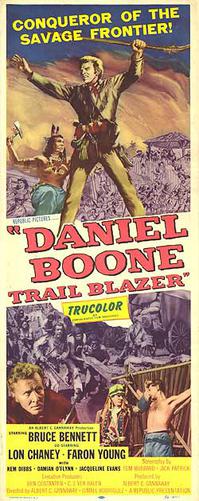
Hays House 1857, Daniel Boone, Benjamin Franklin and Council Grove.

Council Grove’s origin…


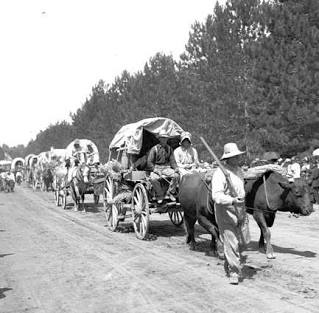
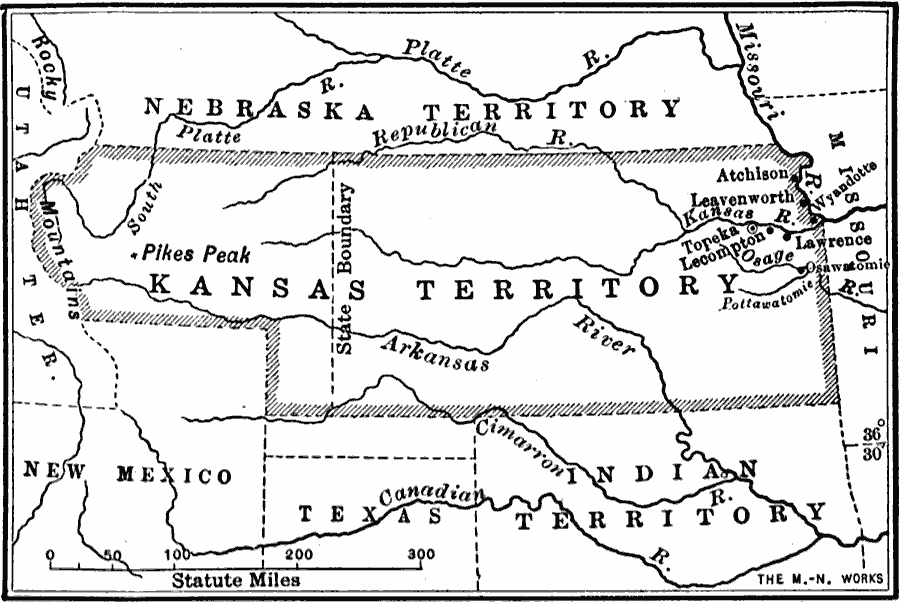
In the earliest part of our nation’s 19th Century, in what would – 29 years later – go on to become the Territory of Kansas, in 1825, westward-focused American settlers had been eager to identify quicker (and better) trade routes. With this impetus for expanding trade to the west in mind, a treaty in 1825 had been negotiated between United States commissioners and the Osage Indians. Negotiated in a section of the Great Plains where frontiersmen gathered. Rested. And congregated. Before continuing on…west.

In the early part of our 19th Century in what today is Kansas, as United States trade – and as United States trade routes – were being expanded to the west, one 1825 treaty entered into by the United States with Indians – the Osage Indians – grew what would go on to become one of the most famous passageways – passageways, trails, routes, roads and/or highways… – in all of United States history. 

This trail…a 900-mile United States trade route. 


This trail…starting out in a small town, 100 miles to the east of Kansas City, Missouri.

This trail…its origin, a small town which had been founded by European setters in 1816. 

This trail…beginning in that small Missouri town – to the east of Kansas City – which had been named for one of the United States’ Founding Fathers.

This trail…which one would, at that time, start their travels on in Franklin, Missouri

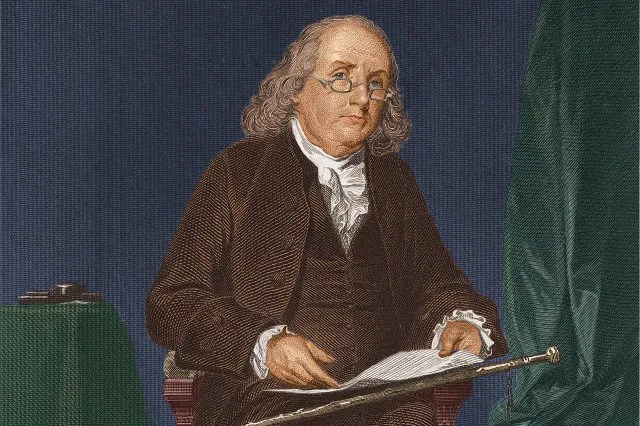
Franklin, Missouri…a town named for one of the United States most famous Founding Fathers, Benjamin Franklin.


This trail…ultimately arriving in, Santa Fe, New Mexico.

This famous trail we are speaking to? The Santa Fe Trail. 


The treaty between United States commissioners and the Osage Indians extended our Santa Fe Trail to the west. Through a section of what would later go on to become, the Territory of Kansas. Later becoming, the State of Kansas. 

This treaty entered into between United States commissioners and the Osage Indians – in 1825 – was centered upon a destination point for frontiersmen traveling west. At the “Grove.”

In 1825, there was no incorporated United States town through which this section of the Santa Fe Trail had been extended. 

In 1825, there was no organized territory through which this section of the Santa Fe Trail had been extended.

This 1825 treaty – extending the Santa Fe Trail though a most-scenic part of the largest tall grass prairie in the United States, the Flint Hills – focused on an area in the Plains where travelers gathered their wagons. They’d form wagon trains. And they’d head west. From the “Grove.”

We are referring to an area in Kansas’s Flint Hills which was at that time – to the Osage Indians, and to frontiersmen – simply known to be, the “Grove.”

The “Grove.” Named for a grove of trees

This 1825 extension of the Santa Fe Trail would wind along – what had been at that time – simply, the main street in the “Grove.”

The unincorporated territory in which this section of the Santa Fe Trail had then been extended – in 1825 – would go on to become a formal United States Territory. In 1854. This territory would go on to become the Territory of Kansas.

This grove of trees would go on to become an incorporated United States city. Twenty-six years after the Territory of Kansas became the State of Kansas in 1861. The grove of trees would go on to become…Council Grove

Council Grove was incorporated as a city in Kansas in 1887.

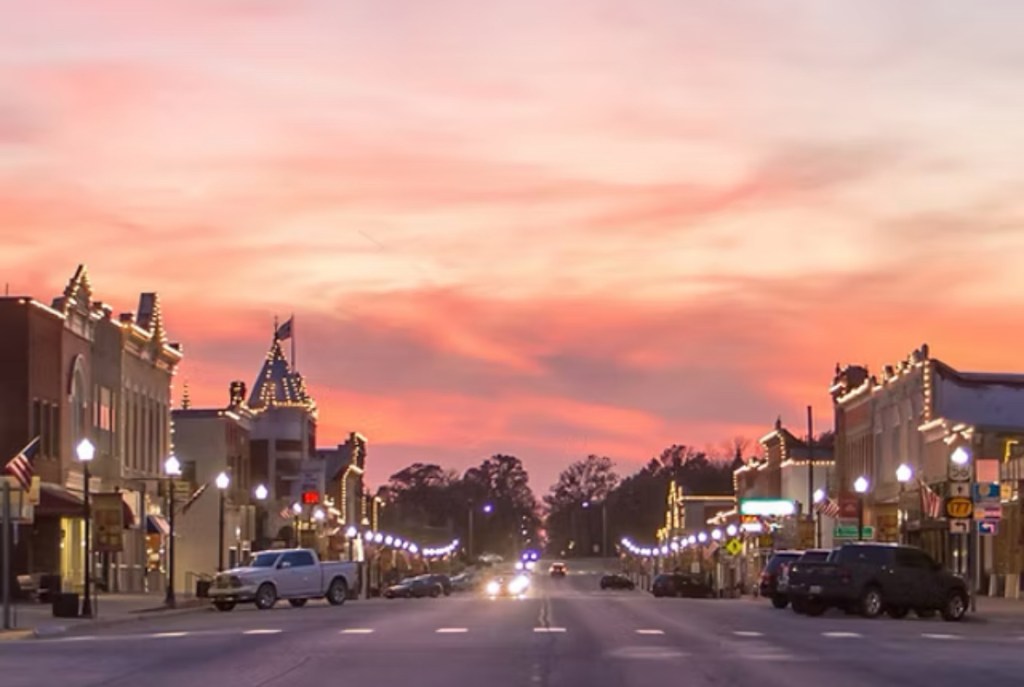
And that old main street in the “Grove?” Our old main street would go on to become …Main Street. In Council Grove


Which brings us to our link between the “Grove,” the Santa Fe Trail, Council Grove and…Daniel Boone.

But first…Seth Hays.

Hays house ( lower case “h”) started serving American pioneers three years after the Territory of Kansas was incorporated as a United States territory. 


In 1857, Hays’ house originally started out as a Santa Fe Trail trading post. A Santa Fe Trail trading post coupled to a Santa Fe Trail restaurant. Located – then, and now – on the Santa Fe Trail. 


With its historical position, quite literally, on the Santa Fe Trail, the Hays house traces back to Seth Hays.


Seth Hays. Founder of Council Grove, Kansas.

Seth Hays. Rancher. Tavern owner. Trader. Publisher.

Seth Hays, who grew up in the Kansas City, Missouri neighborhood of Westport.

The original Hays house? Well, the original Hays house that Seth Hays built next to the Neosho River wasn’t actually a house.

The original Hays house was in fact a log cabin. A log cabin which functioned as Seth Hays’ home – I.e.:. where Seth Hays lived with his adopted daughter, a freed slave. And as a Santa Fe Trail trading post. 


The trading post built by Seth Hays in the “Grove” was a business venture headed by a relative of his, A.G. Boone. 

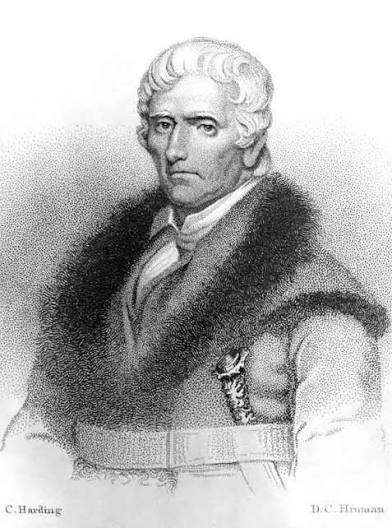
A.G. Boone…grandson of Daniel Boone.

Seth Hays…great-grandson of Daniel Boone.

Benjamin Franklin, Daniel Boone and the oldest restaurant west of the Mississippi – Council Grove, Kansas


What is so very interesting about our nation’s wonderful history can be discovered through historical connections we make between famous Americans, and quite often, places we frequent. Or, places we visit. Or, in my case, the restaurant which serves the best bread pudding.

One of my – How did this come to be? – started off as an affinity for bread pudding. Bread pudding in Council Grove, Kansas. Bread pudding served at Hayes House 1857.

Hayes House 1857. Benjamin Franklin. Daniel Boone. Council Grove, Kansas…

Council Grove’s origin…


In the earliest part of our nation’s 19th Century, in what would – 29 years later – go on to become the Territory of Kansas, in 1825, westward-focused American settlers had been eager to identify quicker (and better) trade routes heading west. With this impetus for expanding trade to the west in mind, a treaty in 1825 had been negotiated between United States commissioners and the Osage Indians. Negotiated in a section of the Great Plains where frontiersmen gathered. Rested. And congregated. Before continuing on…west.

In the early part of the 19th Century in what today is Kansas, as United States trade – and United States trade routes – were being expanded to the west, one 1825 treaty entered into by the United States with Indians – the Osage Indians – extended what would go on to become one of the most famous passageways – passageways, trails, routes, roads and/or highways… – in all of United States history. 

This trail…one 900-mile United States trade route.


This trail…starting out in a small town, 100 miles to the east of Kansas City, Missouri.

This trail…its origin, a small town which had been founded by European setters in 1816.

This trail…beginning in that small town – to the east of Kansas City – which had been named for one of the Founding Fathers of the United States.

This trail…one would, at that time, first get onto in Franklin, Missouri.

Franklin, Missouri…a town named for one of the United States most famous Founding Fathers, Benjamin Franklin.


This trail…ultimately arriving in, Santa Fe, New Mexico.

The passageway we are speaking to? The Santa Fe Trail.


The treaty we are speaking to? That had been a treaty between United States commissioners and the Osage Indians. A treaty which extended our Santa Fe Trail to the west. Extending the Santa Fe Trail through a section of, what would later go on to become, the Territory of Kansas. This trail, later extending through what would go on to become, the State of Kansas.

The treaty entered into between United States commissioners and the Osage Indians in 1825 was centered upon a meeting spot for frontiersmen traveling west.  

In 1825, there had been no incorporated United States town through which this section of the Santa Fe Trail was now extended.

In 1825, there had been no organized territory through which this section of the Santa Fe Trail was now extended.

This 1825 treaty – extending the Santa Fe Trail though a most-scenic part of the largest tall grass prairie in the United States, the Flint Hills – focused on an area of the Plains where fellow travelers would gather their wagons. They’d form wagon trains. And they’d head west. 

This area of the Flint Hills was then referred to simply as the “Grove.”

“The Grove”…named for, a grove of trees

This 1825 extension of the Santa Fe Trail would wind along – what had been at that time – simply, the main street, in the “Grove.”

The unincorporated territory in which this section of the Santa Fe Trail had then been extended – in 1825 – would go on to become a formal United States Territory. In 1854. This territory would go on to become the Territory of Kansas.

This grove of trees would go on to become an incorporated United States city. Twenty-six years after the Territory of Kansas became the State of Kansas. The grove of trees would go on to become…Council Grove, Kansas.

Council Grove was incorporated as a Kansas city in 1887.

And that old main street in the “Grove?”Our main street would go on to become …Main Street. In Council Grove. 


Which brings us to our link between the “Grove,” the Santa Fe Trail, Council Grove and…Daniel Boone.

But first…Seth Hayes.

This Hayes “house” started serving American pioneers three years after the Territory of Kansas was incorporated as a United States territory.


In 1857, the Hayes “house” originally started out as a Santa Fe Trail trading post. Becoming, a Santa Fe Trail trading post…coupled to a Santa Fe Trail restaurant. Located – then, and now – on the Santa Fe Trail. 


With its ongoing – and current – historical position, quite literally, on the Santa Fe Trail, this Hayes “house” ( lower case “h” was started by Seth Hayes. 

Seth Hayes.. Founder of Council Grove, Kansas.

Seth Hayes… A rancher. A tavern owner. A trader. And a publisher. 

Seth Hayes… Who grew up in the Kansas City, Missouri neighborhood where I myself commuted to, to get to my Kansas City real estate office. In Westport.

That original Hayes house? Well, that original Hayes house that Seth Hayes built was really a Hayes log cabin. A log cabin that Seth Hayes built along the Neosho River. A log cabin – along the Neosho River – which both functioned as Seth Hayes’ home. I.e.:. where Seth Hayes lived. And as a trading post. A Santa Fe Trail trading post. 

That log cabin in the “Grove” that Seth Hayes called “home” was home to both Seth Hayes – Hayes himself, a bachelor – and Seth Hayes’ adopted daughter. Seth Hayes’ adopted daughter…was a freed slave.

The trading post that Seth Hayes, quite literally, built – his original log cabin – which would go on to evolve, over 165 year, to become our Hayes House 1857? That was a business venture headed by A.G. Boone. 

A.G. Boone…the grandson of, Daniel Boone.

Seth Hayes…the great-grandson of, Daniel Boone.

Strong City, Kansas


…for the next time you see one of those long BNSF freight trains chugging along the tracks. Whether you see one of those BNSF freight trains in Los Angeles. Or in New York City. Or in Dallas. Or in Chicago. The next time you see one of those BNSF freight trains, you can think about a town located along the Flint Hills Scenic Byway in Chase County, Kansas. You can think about Strong City. Population, 388.

Five years after the Kansas Territory was first organized… Two years prior to Kansas becoming our 34th U.S. State…Chase County, Kansas was born. That year? 1859.

Twenty-two years after that – in 1881 – the railroad in the United States entered Chase County, Kansas. The Chase County town which was the benefactor of this rail extension in Kansas had been Cottonwood.


And in Cottonwood, a new train station was built. That new train station – built in 1881 in Cottonwood – became, the Cottonwood Station.

The very next year – in 1882 – the town of Cottonwood would change its name. Becoming, Strong. Later becoming, Strong City.

Our Strong City name took hold much, much later. Sixty-three years later, to be precise. In 1945.

Strong City

Yet, let’s go back to the beginning of it all. To the very beginning of Strong City’s – then, Strong’s – imprint on U.S. rail.

The beginning, which brings us to a New Englander. A New Englander, who was born in Vermont. A New Englander by the name of William Barlow Strong. W.B. Strong. As W.B. Strong is where our Strong City-BNSF connection begins.

W.B. Strong. Our namesake for Strong. Our namesake for Strong City. W.B. Strong. W.B.Strong, the man on whom a petition had been set forth to change a Chase County town’s name. From Cottonwood to Strong.

When that railroad –  the Atchison, Topeka and Santa Fe Railway – was extended into Cottonwood in 1881, W.B. Strong served as president at Atchison, Topeka and Santa Fe Railway.


The year Cottonwood Station first opened- in 1881 – would be the same year W.B. Strong took over the reins at Atchison, Topeka and Santa Fe Railway. As president. Atchison, Topeka and Santa Fe Railway. ATSF, for short.

Expanding on from the opening of that Cottonwood Station in 1881, under W.B. Strong’s leadership, ATSF significantly grew its train routes. To cover 7,000 miles. 7,000 miles of Atchison, Topeka and Santa Fe Railway routes. Throughout the United States.

Headed by W.B. Strong, Atchison, Topeka and Santa Fe Railway went on to become part of what is today the largest railroad in the United States. ATSF’s growth spurt coincided with the opening of that Cottonwood Station. In our Chase County town that would go on to bear W.B. Strong’s name. In Cottonwood. Later becoming, Strong. Later becoming, Strong City.

Strong City. The Chase County town named after our railroad executive, W.B. Strong.

Whenever we see a freight train, we no doubt will see the letters “BNSF” on those freight cars. And on those, once-steam, now diesel or electric, engines. BNSF is our modern-day evolution for Atchison, Topeka and Santa Fe Railway.

Atchison, Topeka and Santa Fe Railway went on to merge with Burlington Northern Railroad in 1995. Out of this merger, we had, Burlington Northern & Santa Fe Railway.


Later becoming, simply, BNSF.


The prevalence of those BNSF freight trains we see throughout the United States…transporting goods from the West Coast to the East Coast. From the Midwest into Canada. From the Midwest into Mexico. The prevalence of those BNSF freight trains we see…we see those BNSF freight trains, arguably, as the modern day result of the expansion-oriented mindset which had been espoused by the man whose name is forever linked to our Chase County town. W.B. Strong. Our namesake, for Strong City.

In the late 19th Century, then-Cottonwood, later becoming Strong and later still, becoming Strong City, had a population of, between, a few hundred to one thousand people. Strong City’s population today is just about where it had been in its earliest days. A few hundred people.

Just as our Strong City forefather – W.B. Strong – laid the late 19th Century “tracks” for a company which would go to become the largest rail company in the United States – with over 32,000 miles of track, across 28 U.S. States – Strong City would proceed to make a second notable contribution to the freight-by-rail system we now have. 

Beginning in the late-19th Century, Strong quarries supplied large quantities of the stone which had been used for U.S. railway expansion. While at the same time, Strong stonemasons handled a good deal of the stone-work which had been necessary in order for that that late-19th Century/early-20th Century rail expansion to take place. 


While Strong stonemasons performed according to their names – as stonemasons, handling stone-work for railroads – Strong stonemasons extended their contributions to the growth of late-19th Century/early-20th Century rail in the U.S. beyond their stone-work. In fact, Strong stonemasons went on to enter into numerous phases of late-19th Century/early-20th Century railroad construction. Far beyond stone-work.

The laying of track. Building the bridges on which track was laid. Building train stations. Roadhouses.


Each being one such category of railroad construction that Strong stonemasons placed their signatures upon.

So…our Chase County town of 300-or-so residents, located a little less than a two hour’s drive west of Kansas City. Our Chase County town can be thought of whenever we do see one of those BNSF freight trains.

W.B. Strong. Strong. Later becoming, Strong City. Strong stonemasons. United States rail. BNSF.

For me, it’s quite difficult, moreso, impossible, to see a freight train and to not think about those picturesque drives I’ve taken, oh so many, many times, along Highway 177 in Kansas. Onto Main Street. Along the Flint Hills National Scenic Byway. Into…Strong City.

Strong City. Our Chase County town of 300-or-so people which has left its not so-little-at-all “Strong City signature” – in more ways than one – on U.S.cargo, shipped by rail. 

Construction loans: the change order


When you use a construction loan to build your new home, a change order – also known as a variation order – would be the detailed description within an amendment to your original build plan. Or, the detailed description within an amendment to your original build schedule.

For example, a change order could include increases in time costs incurred by your builder. Time costs which – according to your builder – have been incurred as a result of aligning construction with the amended build plan. Or, the amended build schedule. That amended build plan – or, build schedule – itself, arrived at, also, by way of a previously enacted change order. 

What may trigger the need to enact a change order?

There are several answers to that question. One such answer, among a plethora of possible answers, being…a factor builders have no control over. The weather.

I’ll use an example…

In Kansas City, wet season lasts for half the year. Beginning in March. Ending in September. Each year. During that seven month period, everyday – from June, and on through September – home builders face nearly a 30% chance of rain. Each day. Like baseball…Kansas City home builders can encounter…rain delays.

During wet season each year in Kansas City, builders know that one particular month – out of those 7 months – is the rainiest of them all. And in Kansas City, that rainiest month of all would be…June.


On average, in Kansas City in June, builders could face up to 12 wet days. Nearly half the month.

So, if you are planning on using a construction loan to build your new home in Kansas City… If your construction schedule aligns with the spring, the summer or early autumn… Then thinking through how you would want to negotiate, structure and work through an amendment to your build plan (and your build schedule) through a change order, is my recommendation. 

New home construction…

Carefully craft your plan.

Carefully craft your schedule.

Be prepared to address possible changes.

And…know the weather.

Lumber: types and uses


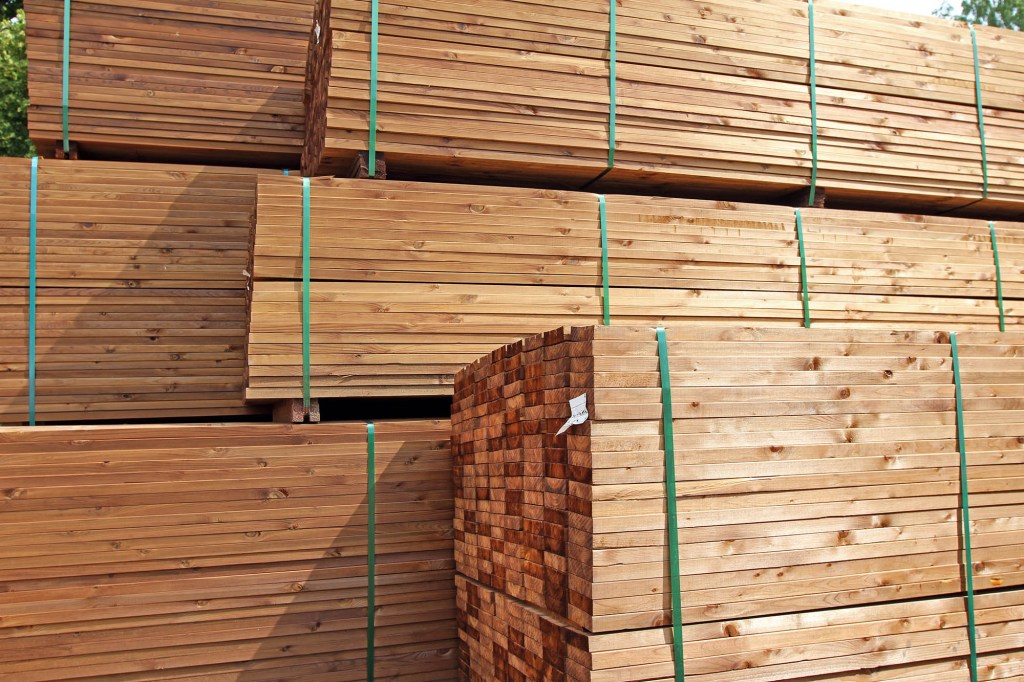
Framing lumber – I.e.: dimensional lumber – is the lumber used by builders in new home construction when, as our category foretells, we are talking about framing the new home. Framing the home and lumber…which brings us to an acronym. SPF.


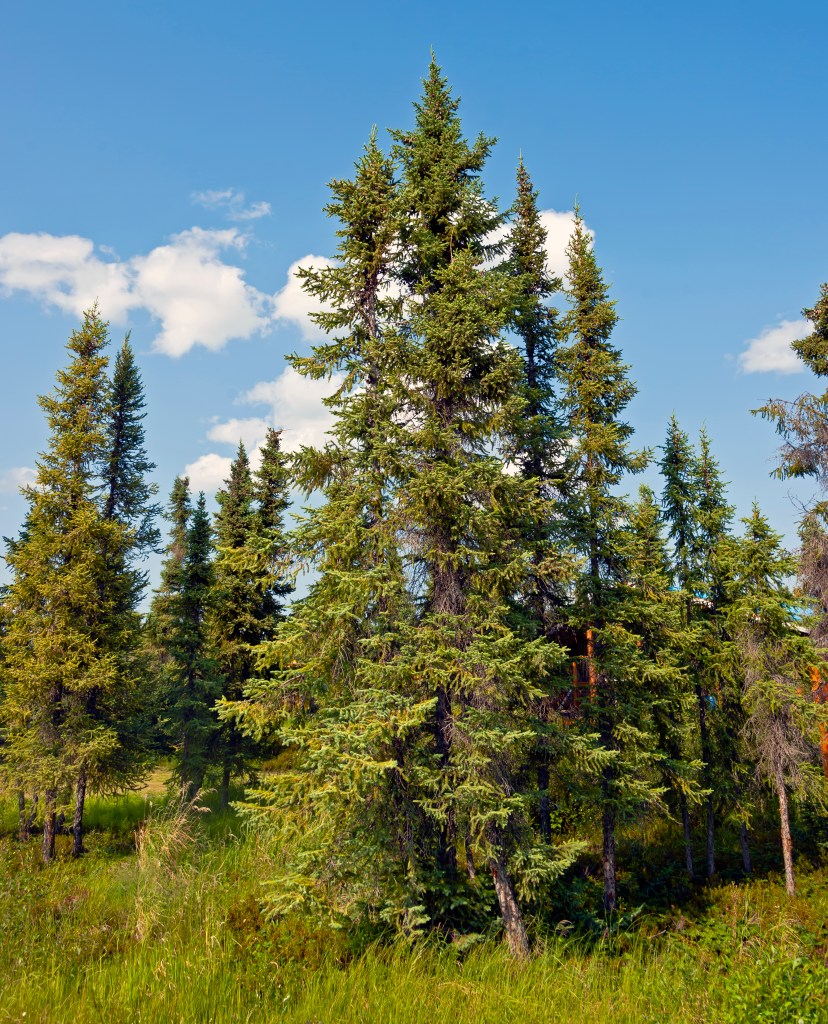
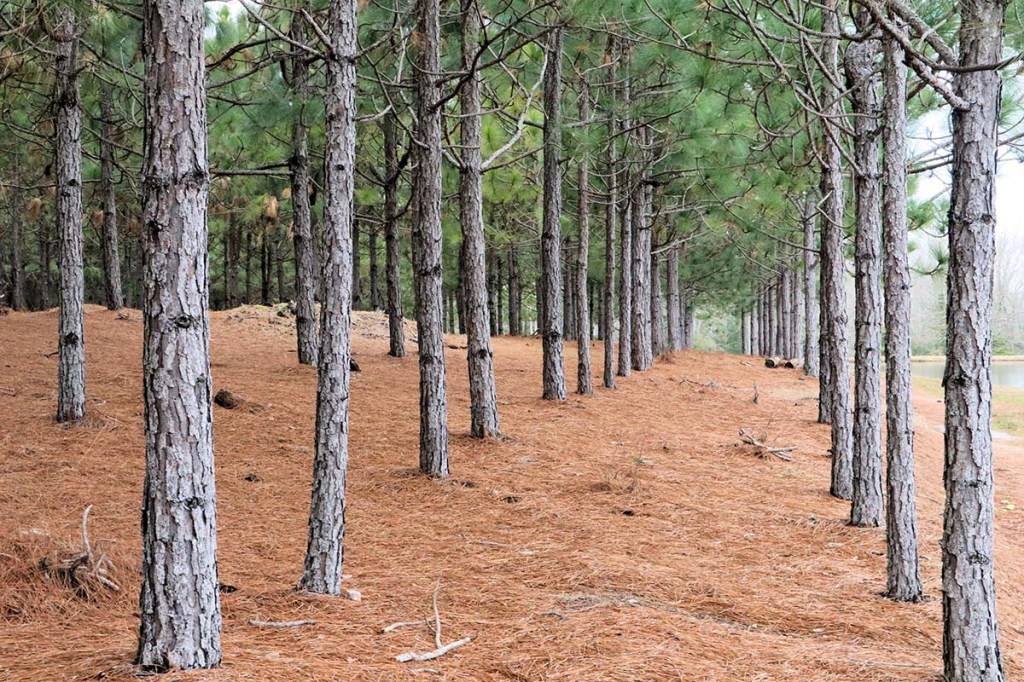
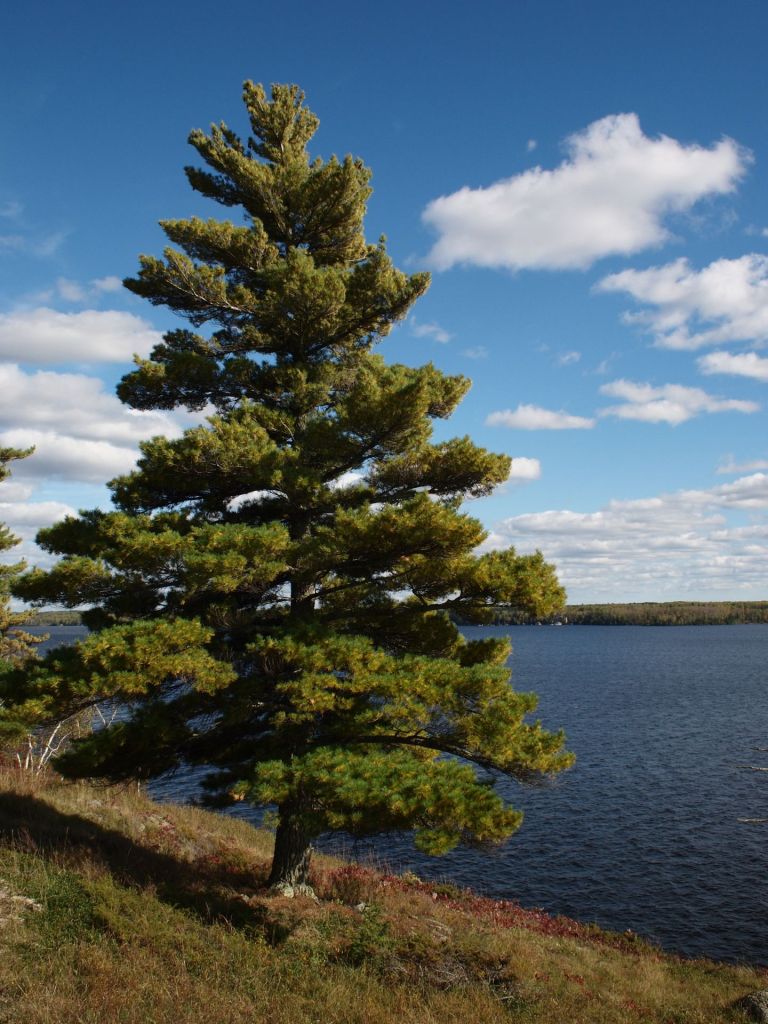
SPF. Spruce. Pine. Fir. This grouping, an attractive combination of strength and affordability. Spruce, pine and fir. More commonly referred to as SPF. The types of lumber builders use for different elements of framing.

Spruce, pine and fir are milled together. By milling SPF, you end up with standard dimensions of lumber – 2 x 4’s, 4 x 4’s and 2 x 6’s. 

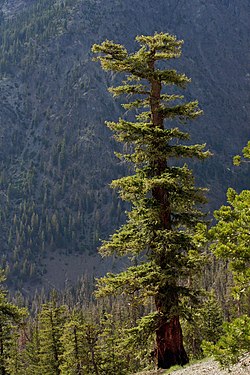
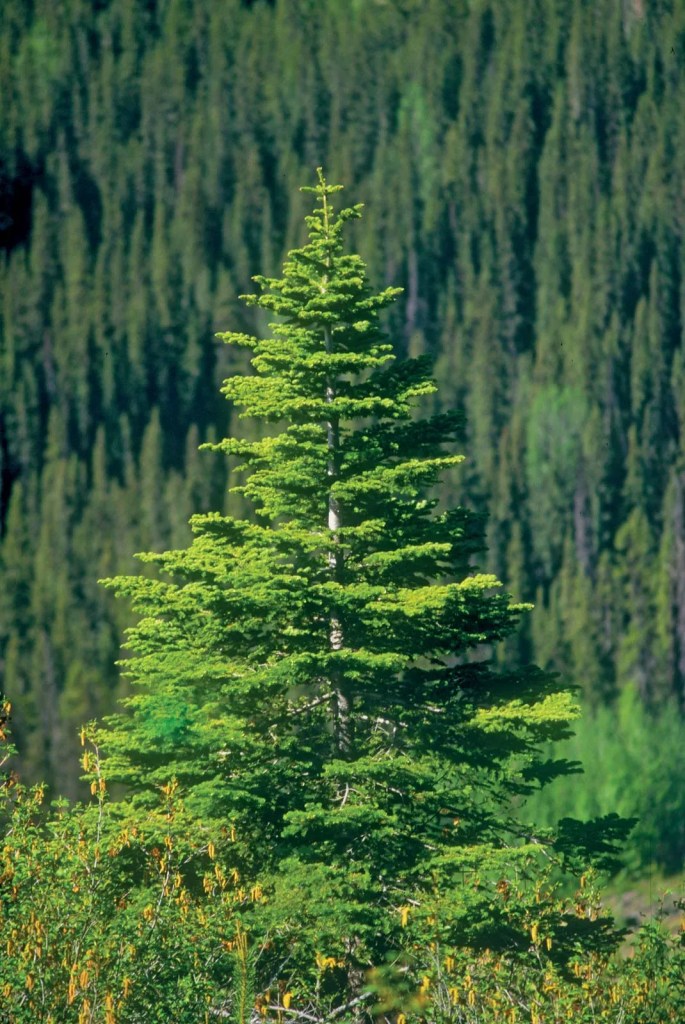
Let’s look at the “F” in our SPF – fir. Douglas fir.


Douglas fir is a type of lumber which is a core component in new home construction. Builders use Douglas fir for joists, posts and beams. Yet, not for trusses. 

Southern Yellow Pine – when using pine for this specific application – is the preferred pine when it comes time for trusses. Although the “S” in our SPF – spruce – would more typically be used by builders for trusses. Moreso, than Southern Yellow Pine.


Spruce is known for its structural benefits. Hence, the use of spruce for trusses. Spruce is also known for its keen aesthetics. 

While spruce is used in load-bearing capacities – I.e.: for trusses (as well as for floor joists and wall studs) –  spruce is also used for interior finishes. Paneling. Molding. Trim. Spruce takes paint and stain quite well. Hence, the utilization of spruce for interior finishes.

Let’s look at the pricing of spruce…


One 1 x 3 x 16 board of spruce can be purchased by builders at, in the range of, $8.00/piece. While one piece of 1 x 4 x 16 spruce would be priced, in the range of, $10/piece.

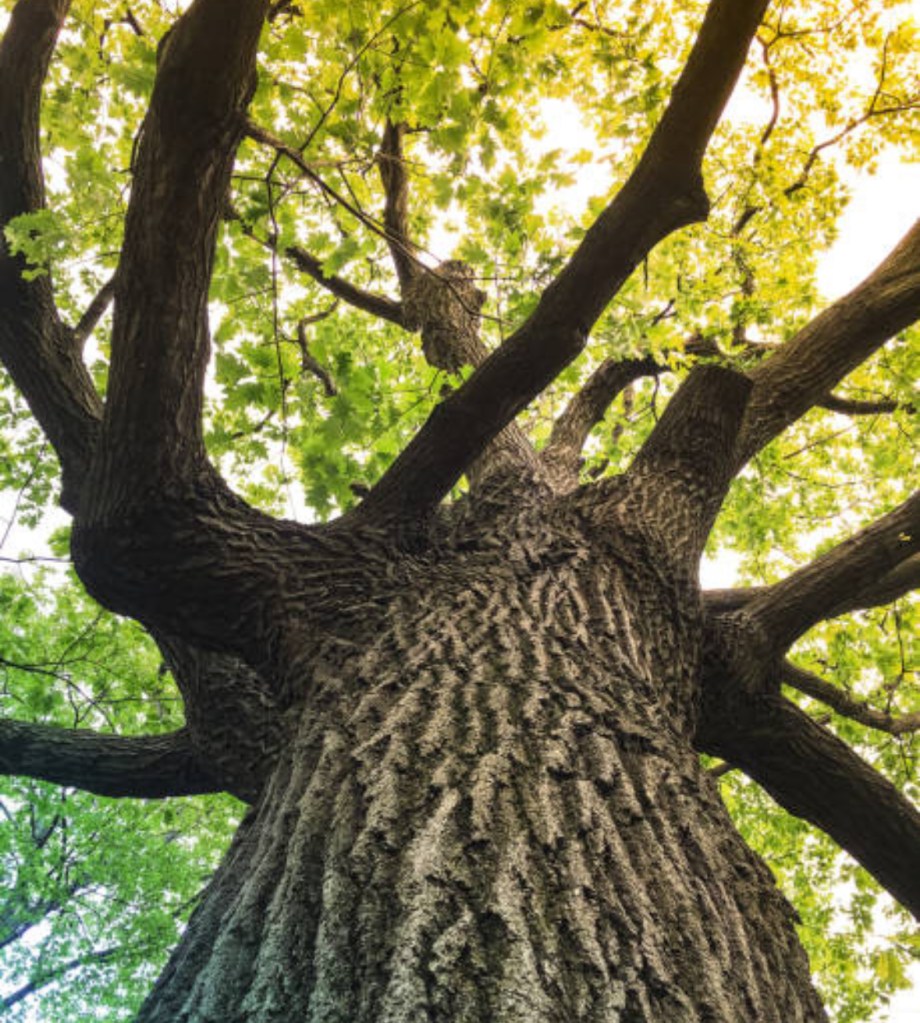
In regard to the flooring, the trim and the cabinetry going into the new home, builders utilize a hardwood. Commonly, builders will use oak.  

There are several reasons why oak is not used by builders for framing. First off, oak tends to be pricier than SPF. While the (general) higher cost of oak – as compared to SPF – makes oak cost prohibitive when it comes time to frame the new home, cost is not the only reason homes are not framed with oak. Nor the main reason.

Oak has a tendency to split when nailed. So framing and oak? Quite simply, that’s just a bad “marriage.”

Let’s look, for a moment, into how much lumber a builder will need in order to build a home…

To construct one 4,000 square foot home, a builder will typically use between 20,000 to 25, 000 board feet of lumber. Which brings us to the “F” in our SPF – fir. Douglas fir. 

Douglas fir is one of the strongest – and the most durable – woods available to builders. This combination of strength and durability makes Douglas fir the optimal choice for builders when it comes time to frame the home. 

Douglas fir possesses exceptional dimensional stability. Furthermore, Douglas fir is not prone to warp. Nor to twist. Douglas fir…great for framing.

Let’s look, for a moment, at lumber prices…

For flooring, trim and cabinetry, builders like oak. So how much does oak cost? Well, that depends. 

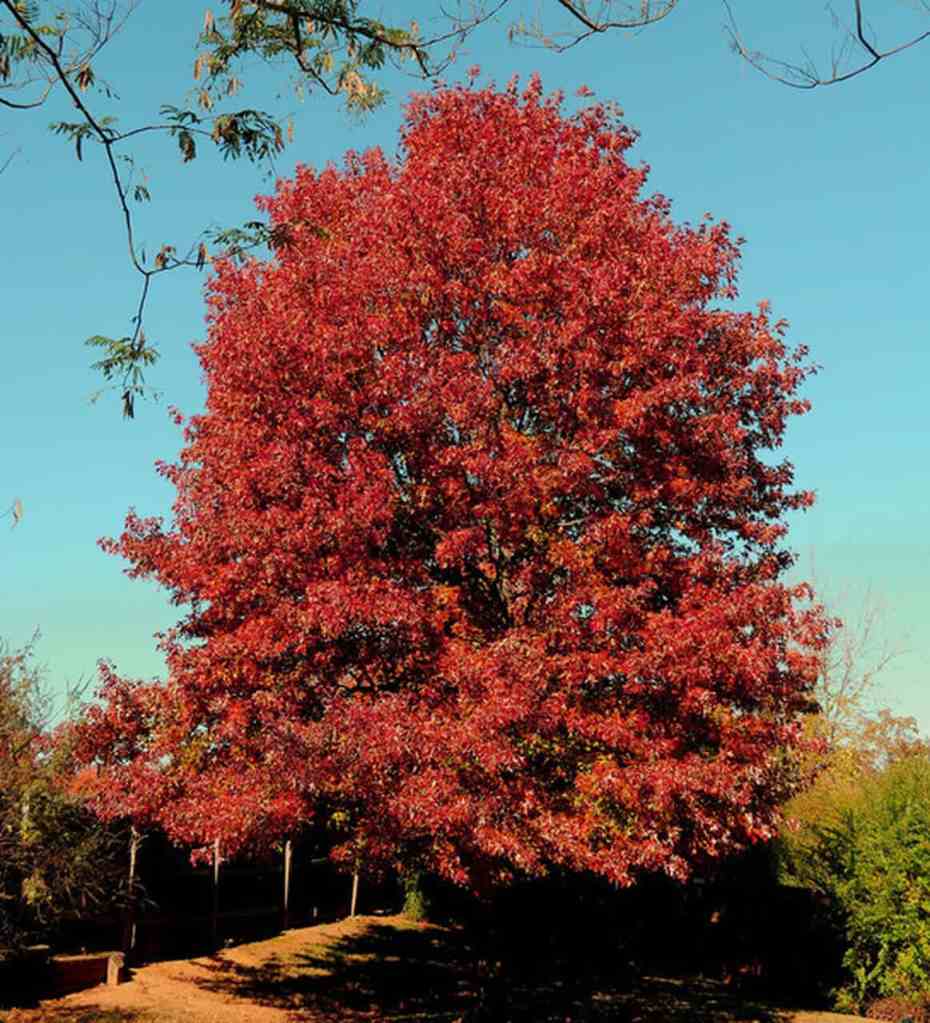
4/4 Red Oak, 1-99 board feet, is priced in the range of $5.00/board foot. Which means, Red Oak would be classified as a rather inexpensive type of oak. 

Whereas Red Oak is a rather inexpensive type of oak, 4/4 Spessart Oak, 1-99 board feet, will range in price from between $22/board foot to $25/board foot. As compared to Red Oak, Spessart Oak would then be classified as a rather expensive type of oak. 

Spessart Oak – consisting of a fine texture – is a white oak found in the Spessart Forest in Germany. 


Red Oak is native to Canada – Nova Scotia and Ontario – as well as to the United States – Georgia, Mississippi, Nebraska and Oklahoma.

The new home the builder builds will, more likely than not, have oak cabinets. So, the type of cabinets the builder selects – combined with the type of oak used for those cabinets – will correlate to cabinet quality. And to cost. For example, using the two aforementioned types of oak – Red and Spessart – Spessart Oak cabinets will be more costly than Red Oak cabinets. 

We examined the cost of oak. As the type of oak – ranging from $5.00/board foot for Red Oak to $22 to $25/board foot for Spessart Oak – is determinative of the builder’s costs, in regard to his or her utilization of oak. As then so too will be the type of lumber used – in this case, oak – when it comes to the price of the home. Once construction of the home is complete. 

So let’s now look at SPF once again. This time, let’s look at the “P” – pine. And let’s look at the price of pine. 

The price of pine has a range. From mid-$2.00/board foot. To a high of $3.00/board foot. 

For example…

Builders can order 4/4 Eastern White Pine at a price of $2.50/board foot. 

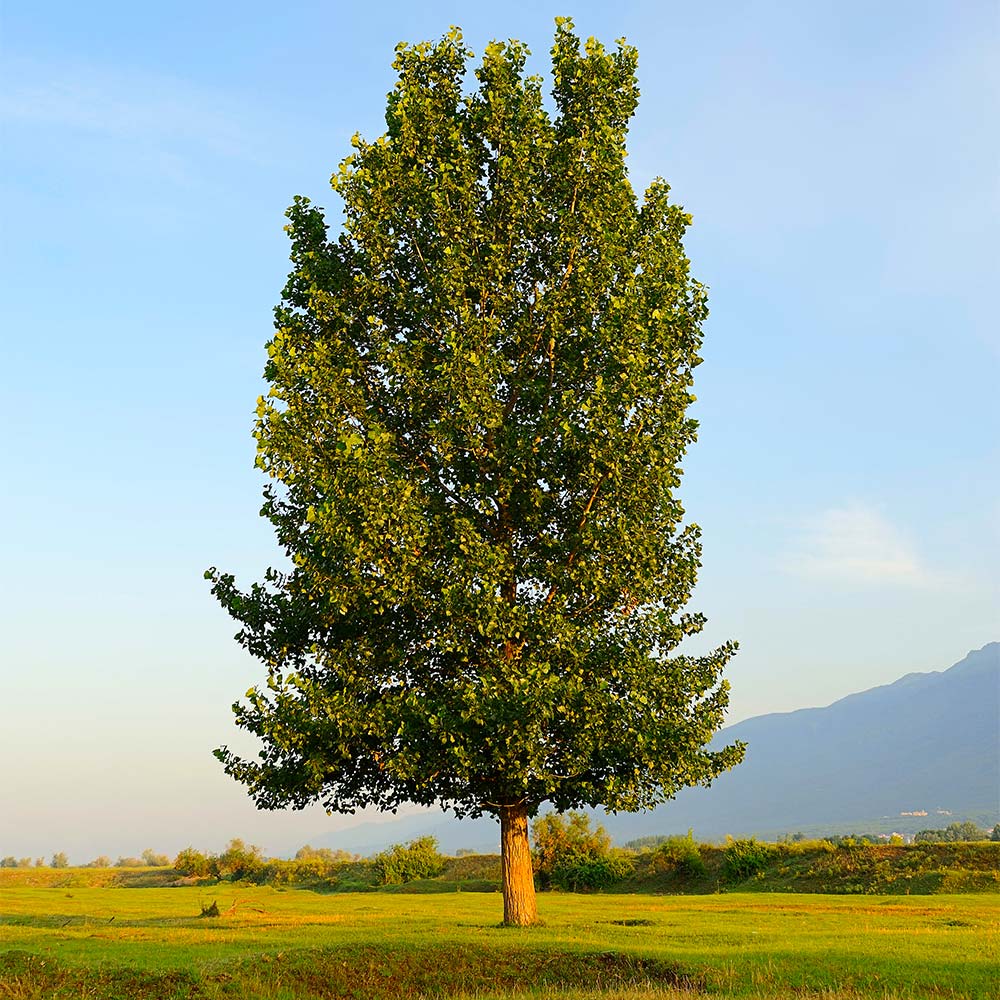
While Poplar – a different type of pine – is more expensive. Poplar can be ordered by builders at $3.75/board foot. 


When building the home, White Pine and Poplar would be used for decorative elements. For interior trim. As well as for paneling.

So let’s look at framing. And lumber costs. For our 4,000 square foot home. 

4 x 4 Douglas fir will range in price from $10.00/board foot to $16.00/board foot. 

Let’s use a Douglas fir price of $15.00/board foot for our new 4,000 square foot home. And let’s say the builder needs 25,000 board feet of Douglas fir to build that new home.

25,000 board feet of Douglas fir – at a price of $15/board foot – would give us a total lumber cost of $375,000.

Lumber: types and uses

Framing lumber – I.e.: dimensional lumber – is the lumber used by builders in new home construction when, as our category foretells, we are talking about framing the new home. Framing the home and lumber…which brings us to an acronym. SPF.


SPF. Spruce. Pine. Fir. This grouping, an attractive combination of strength and affordability. Spruce, pine and fir. More commonly referred to as SPF. The types of lumber builders use for different elements of framing.

Spruce, pine and fir are milled together. By milling SPF, you end up with standard dimensions of lumber – 2 x 4’s, 4 x 4’s and 2 x 6’s. 

Let’s look at the “F” in our SPF – fir. Douglas fir.


Douglas fir is a type of lumber which is a core component in new home construction. Builders use Douglas fir for joists, posts and beams. Yet, not for trusses.

Southern Yellow Pine – when using pine for this specific application – is the preferred pine when it comes time for trusses. Although the “S” in our SPF – spruce – would more typically be used by builders for trusses. Moreso, than Southern Yellow Pine.


Spruce is known for its structural benefits. Hence, the use of spruce for trusses. Spruce is also known for its keen aesthetics. 

While spruce is used in load-bearing capacities – I.e.: for trusses (as well as for floor joists and wall studs) –  spruce is also used for interior finishes. Paneling. Molding. Trim. Spruce takes paint and stain quite well. Hence, the utilization of spruce for interior finishes.

Let’s look at the pricing of spruce…


One 1 x 3 x 16 board of spruce can be purchased by builders at, in the range of, $8.00/piece. While one piece of 1 x 4 x 16 spruce would be priced, in the range of, $10/piece.

In regard to the flooring, the trim and the cabinetry going into the new home, builders utilize a hardwood. Commonly, builders will use oak.  

There are several reasons why oak is not used by builders for framing. First off, oak tends to be pricier than SPF. While the (general) higher cost of oak – as compared to SPF – makes oak cost prohibitive when it comes time to frame the new home, cost is not the only reason homes are not framed with oak. Nor the main reason.

Oak has a tendency to split when nailed. So framing and oak? Quite simply, that’s just a bad “marriage.”

Let’s look, for a moment, into how much lumber a builder will need in order to build a home…

To construct one 4,000 square foot home, a builder will typically use between 20,000 to 25, 000 board feet of lumber. Which brings us to the “F” in our SPF – fir. Douglas fir. 

Douglas fir is one of the strongest – and the most durable – woods available to builders. This combination of strength and durability makes Douglas fir the optimal choice for builders when it comes time to frame the home.

Douglas fir possesses exceptional dimensional stability. Furthermore, Douglas fir is not prone to warp. Nor to twist. Douglas fir…great for framing.

Let’s look, for a moment, at lumber prices…

For flooring, trim and cabinetry, builders like oak. So how much does oak cost? Well, that depends.

4/4 Red Oak, 1-99 board feet, is priced in the range of $5.00/board foot. Which means, Red Oak would be classified as a rather inexpensive type of oak. 

Whereas Red Oak is a rather inexpensive type of oak, 4/4 Spessart Oak, 1-99 board feet, will range in price from between $22/board foot to $25/board foot. As compared to Red Oak, Spessart Oak would then be classified as a rather expensive type of oak. 

Spessart Oak – consisting of a fine texture – is a white oak found in the Spessart Forest in Germany.


Red Oak is native to Canada – Nova Scotia and Ontario – as well as to the United States – Georgia, Mississippi, Nebraska and Oklahoma.

The new home the builder builds will, more likely than not, have oak cabinets. So, the type of cabinets the builder selects – combined with the type of oak used for those cabinets – will correlate to cabinet quality. And to cost. For example, using the two aforementioned types of oak – Red and Spessart – Spessart Oak cabinets will be more costly than Red Oak cabinets. 

We examined the cost of oak. As the type of oak – ranging from $5.00/board foot for Red Oak to $22 to $25/board foot for Spessart Oak – is determinative of the builder’s costs, in regard to his or her utilization of oak. As then so too will be the type of lumber used – in this case, oak – when it comes to the price of the home. Once construction of the home is complete.

So let’s now look at SPF once again. This time, let’s look at the “P” – pine. And let’s look at the price of pine. 

The price of pine has a range. From mid-$2.00/board foot. To a high of $3.00/board foot.

For example…

Builders can order 4/4 Eastern White Pine at a price of $2.50/board foot.

While Poplar – a different type of pine – is more expensive. Poplar can be ordered by builders at $3.75/board foot. 


When building the home, White Pine and Poplar would be used for decorative elements. For interior trim. As well as for paneling.

So let’s look at framing. And lumber costs. For our 4,000 square foot home. 

4 x 4 Douglas fir will range in price from $10.00/board foot to $16.00/board foot.

Let’s use a Douglas fir price of $15.00/board foot for our new 4,000 square foot home. And let’s say the builder needs 25,000 board feet of Douglas fir to build that new home.

25,000 board feet of Douglas fir – at a price of $15/board foot – would give us a total lumber cost of $375,000.

Boston, a hill, limestone, abolitionists plus one rendering from a cartoonist…Lawrence, Kansas


Lawrence, Kansas was founded by a group of New England abolitionists. Abolitionists who were intent on establishing a new community where people of all races would be free. Culminating in Lawrence’s determination to ensure that Kansas – then…a territory – would be admitted to the United States as a “free state.”  

Lawrence was founded in 1854. Seven years prior to Kansas becoming the 34th State.

Nine years after the founding of Lawrence – in 1863 – then-Kansas Governor Thomas Carney signed a bill into law creating the second state university in Kansas. This university was to be built on 40 acres – the University of Kansas. Founded in 1864.

This university for Kansas – the second university within the Sunflower State – was to be constructed on Hogback Ridge. Hogback Ridge in Lawrence. Hogback Ridge, later becoming, Lawrence’s Mount Oread.


The relevance to Mount Oread? And to Mount Oread’s role in that which Lawrence is most famous for? This can be found under our feet.

Three years after Governor Carney signed into law the bill which would establish a Kansas university in Lawrence, classrooms at the University of Kansas first opened. This Lawrence university first started out as a preparatory school. With fewer than 100 students.

Back to Mount Oread…

Mount Oread – that section of Lawrence on which KU was built – sits on a bed of limestone.


Limestone is chalk rock. Chalk rock – transposed – becomes rock chalk.

Hence, our famous, Rock Chalk Jayhawk.

Rock chalk. Chalk rock. Chalk rock sits below KU’s classrooms as the – quite literally… – as the foundation of the university.

Our chant? Rock Chalk? That chant – originating in the chalk rock of limestone found in Lawrence’s Mount Oread – was originally a slogan used by the university’s science club. A science club slogan.

Let’s go back to that group of New Englanders who established Lawrence…

Those New Englanders who first established Lawrence were not so much a loosely-aligned abolitionist group at all. No, Lawrence’s forefathers were actually an organized company. This company? The New England Emigrant Aid Company.

The New England Emigrant Aid Company had been a Boston-based transportation company. Established to transport those who opposed slavery into this new Kansas Territory out west.

As abolitionists, the idea espoused by the New England Emigrant Aid Company went along these lines…

Through New England Emigrant Aid Company’s transportation of anti-slavery immigrants who would settle – en masse – in the new Kansas Territory, the politics within the Kansas Territory would then favor the abolishment of slavery. Not the expansion of slavery. Abolitionists.

As such, with sentiment taking hold in the new Kansas Territory which frowned upon the institution of slavery, Kansas would then (ideally) choose to join the United States as a free state. Not as slave state. Which it indeed did. in 1861.

Rock chalk. That’s about limestone. Limestone underneath the KU campus. 

And after Rock Chalk we find…Jayhawk.

Rock chalk…limestone. So, how about the Jayhawk part of our slogan? 

Any conversation one has about the Jayhawk part of this famous slogan from Lawrence brings us back to Lawrence’s idea for Kansas to join the Union as a free state. To efforts undertaken by the New England Emigrant Aid Company. And to Lawrence’s abolitionist “DNA.”

Prior to Kansas becoming a state in 1861, Kansas abolitionists battled pro-slavery factions. Factions who were intent on seeing Kansas join the Union as a slave state. Not as a free state. Those Kansas abolitionists we are referring to here were known as jayhawkers


During the 1860’s, jayhawkers were not only found in this new Kansas Territory. No, jayhawkers could also – at that time – be found throughout the Midwest. All the way down to Texas. The abolitionist movement of the 1860’s…native to the Midwest. Jayhawkers.

Yes, jayhawkers are most closely aligned with the State of Kansas. The Kansas Jayhawks. This is attributed to the Bleeding Kansas era. The period of violent conflict over the issue of slavery which took place prior to the outbreak of the Civil War.

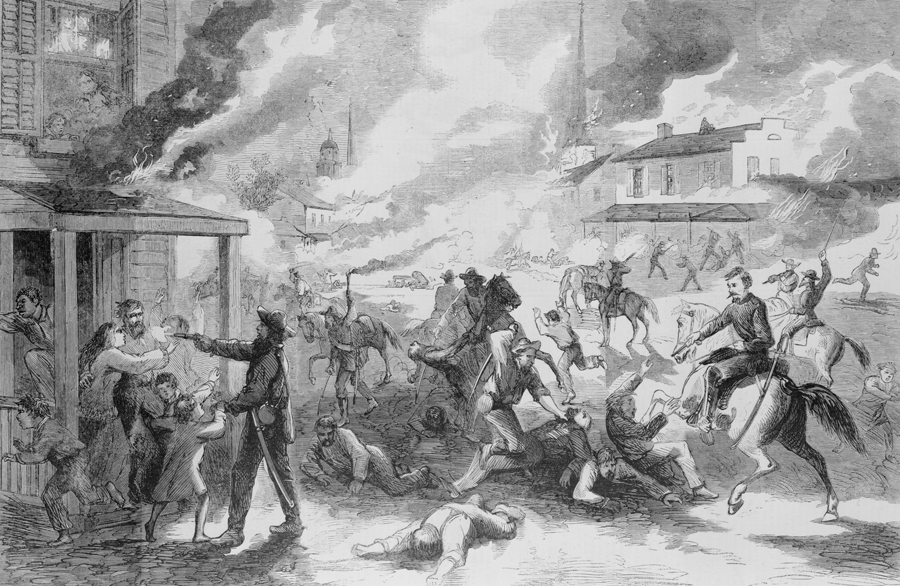
Between 1854 and 1859, murder, violence, the destruction of property and total mayhem took hold in Eastern Kansas and Western Missouri. Bleeding Kansas.


Kansas and abolitionists. Lawrence and Kansas’s university. The University of Kansas and jayhawkers.

The University of Kansas officially adopted the Jayhawk as the school’s mascot in the year 1923. 

That duck-like bird we now know to be our KU Jayhawk? No, there is no winged-jayhawk bird flying over the beautiful prairies of Kansas. No, there is no winged-jayhawk bird which has ever flown over those beautiful Kansas prairies.

That famous duck-like bird we find under 16 Final Four banners in Allen Fieldhouse? That bird is an artistic creation.

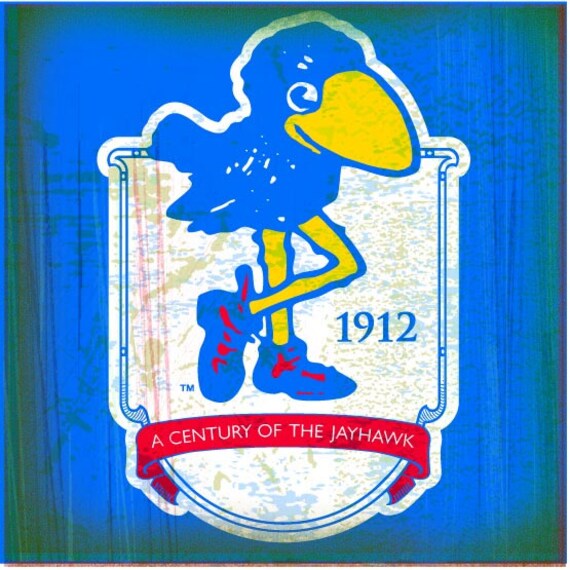
The most famous abolitionist logo in the history of sports can be traced all the way back to 1912.

In 1912 Henry Malloy was a cartoonist working for The University Daily Kansan – KU’s newspaper.

Henry Malloy – in 1912 – drew a picture of one shoe-wearing bird. And released his picture of his shoe-wearing bird in The University Daily Kansas. Our first jayhawk.


In 1923, eleven years after Henry Malloy created that very first jayhawk cartoon rendering, two KU sophomores – Jimmy O’Bryon and George Hollingbery – created the rendering more-closely based on the duck-like bird we find today in Allen Fieldhouse.

Boston…

Abolitionists…

A hill…

Limestone…

A cartoonist…

Two college sophomores…

Lawrence, Kansas.

Considering poured concrete for your backyard project?


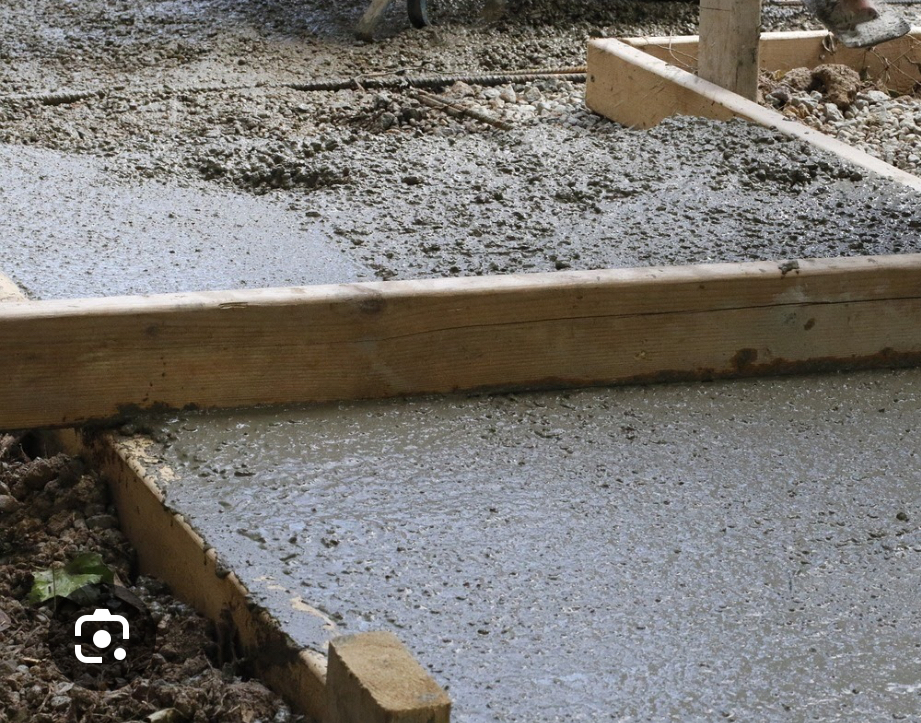
Poured concrete comes about through the placement of liquid concrete in a wood pre-built form. Poured concrete contents? Cement, which is mixed with water, sand and gravel…shaped. As this mixture of cement, water, sand and gravel is poured into your form. 

You’ll want to strengthen your poured concrete. How do you do this?

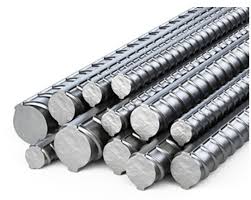
To strengthen your poured concrete, you can use steel rods in your form. These steel rods are rebar.

Why use rebar?


Poured concrete – with rebar – is stronger than poured concrete without rebar.

Rebar provides reinforcement. Thus, rebar reduces the likelihood of a cracked concrete surface in the future.
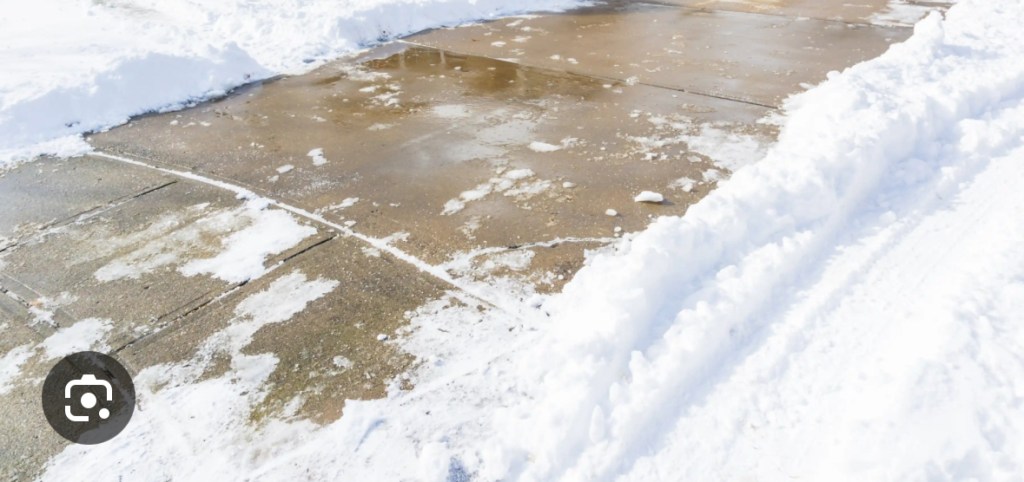
The curing process of poured concrete – I.e: hardening – can take several days. In some cases, up to a few weeks. The amount of time it takes to cure your poured concrete is dependent upon several conditions. One of those conditions being, the weather.


Once your poured concrete has been cured, the form is then removed. The concrete structure you end up with is ready for its role in your hardscaping project.

I’m thinking about going with poured concrete, while pavers are still an idea that I am considering…


At the onset, selecting pavers for your backyard hardscaping project would be a bigger hit to your wallet than poured concrete would be. Short term. Over time, the higher up-front cost you will incur by going with pavers over poured concrete can be weighed against the lower maintenance costs you will incur, by using pavers. In comparison to poured concrete. 

The lower costs you will benefit from by going with pavers is due to the fact that pavers are more durable than poured concrete. Pavers are able to incur more wear-and-tear. Pavers hold up better with extreme changes in temperature.

For example…

In parts of the country which are prone to freeze-thaw cycles – I.e.: the Midwest and the Notheast – pavers will be able to aptly withstand those stark changes in temperature. More so than poured concrete. Which makes where you live one factor to consider when choosing between poured concrete and pavers.


Concrete is prone to crack. And stain.

Cracks or stains in your concrete – in most cases – can be repaired. However, when concrete does crack, a full replacement of your concrete surface is a possibility. And, if so, an expensive one at that.

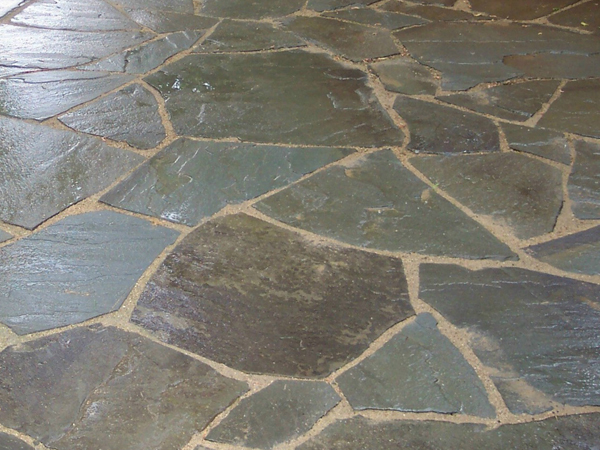
Whereas with pavers, if you do incur surface damage, you will be able to replace the damaged individual paver. Or, the pavers. 

Factors to consider as you embark upon your next backyard project.