Crossroads

During the latter part of the 19th Century, goods making their way to the Western-most points of an ever-expanding United States would have likely ended up trekking through Paris of the Plains. Through Kansas City. Through Crossroads.
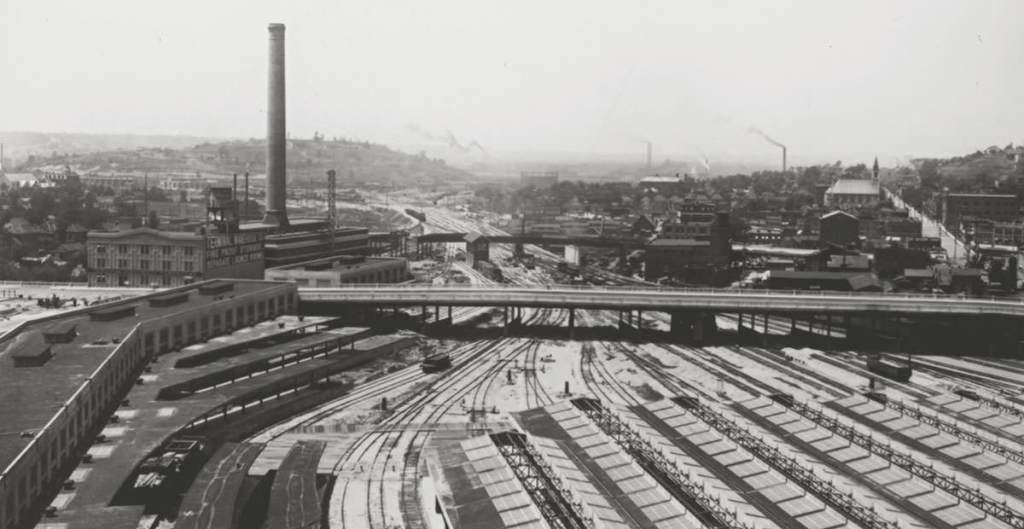

Kansas City was (and is) truly an American Crossroads.

In a fast-industrializing early-20th Century United States, Kansas City – I.e.: Crossroads – connected an industrial Northeast to agricultural centers in the American west. And in the American southwest. 

The Santa Fe Trail. Kansas City’s unique location at the confluence of two major rivers – the Kansas River and the Missouri River. And later, as a major railroad hub. A  railroad hub which, during its heyday, was second only to Chicago’s railyards in terms of rail traffic, and rail capacity. Each converged in Kansas City. Kansas City became a Crossroads. Due to its geographical location. Due to America’s expansion west. Due to rail. Due to trade patterns. Crossroads


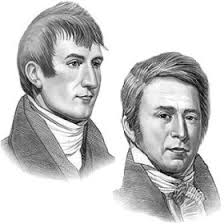
Lewis and Clark arrived in Crossroads at the onset of the 19th Century. Lewis and Clark arrived in Crossroads at a time when the United States government was keen on opening up the west to American interests. The most effective pathway west at that time? That would have been the Missouri River. Kansas City was built alongside “Big Muddy.” Built alongside the Missouri River.

Switching eras. Fast forwarding in time. Switching methods of transportation. Yet staying on the subject of Crossroads..

In order to facilitate Kansas City’s unique position as an American Crossroads, nearly 100 years after Lewis and Clark arrived with their team of 50 – and 3 boats – by the late-19th Century, the first train depot opened in Kansas City. The year was 1878. And that Crossroads train depot would have been Kansas City’s Union Depot. 

Kansas City’s Union Depot became the second union depot which opened in the United States. Indianapolis’s union depot was the first.
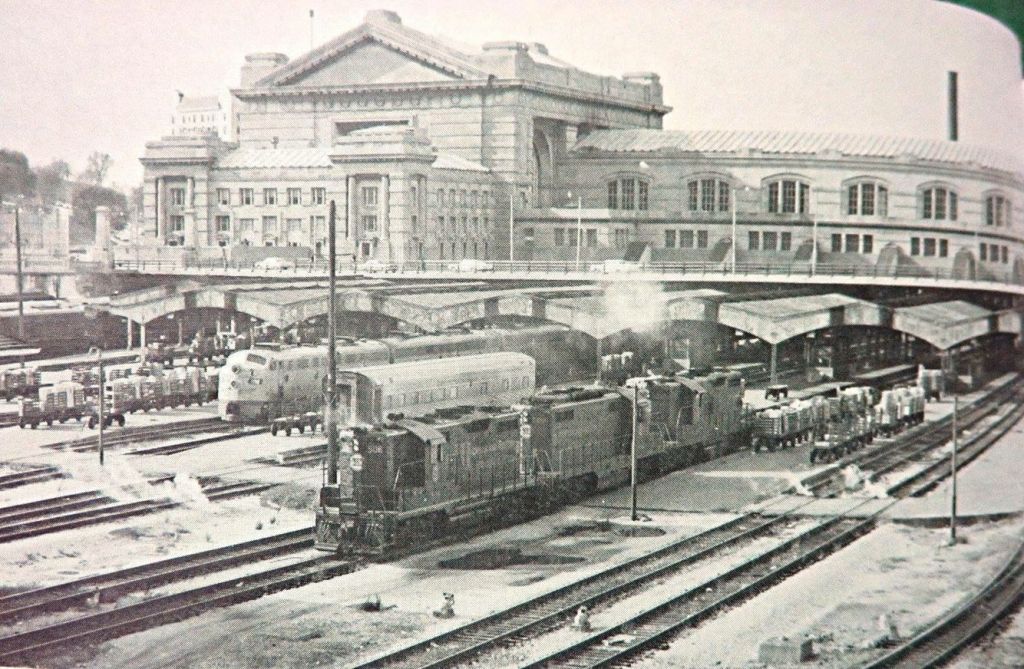

By 1945, nearly 700,000 rail passengers stepped foot in Kansas City’s train station. At its height, close to 200 trains pulled into Kansas City every single day. Crossroads.

A Crossroads. A gateway. To an exciting new 19th Century American frontier. A Crossroads for 20th Century American train travelers. A Crossroads for American soldiers during wartime. A Crossroads for American industry. A Crossroads for freight trains. Crossroads.

In the mid-20th Century, rail was the preeminent method of transportation for freight. In the mid-20th Century, rail was the preferred method of transportation for civilian passengers.  As an American Crossroads, Kansas City quickly outgrew its original Union Depot.

Desiring – and requiring – additional capacity for their freight trains, the railroads which were collectively utilizing Kansas City’s Union Depot in KC’s industrial West Bottoms made a decision. Their decision? They were going to replace the outdated, ill-sized Union Depot with a new, larger more accommodative train station. Built in a new location. Union Depot was out. A depot in the West Bottoms – as the West Bottoms was prone to floods – was out. The new Kansas City train station would be near Kansas City’s central business district. Not in a floodplain. Built up on the hill. 

Kansas City’s Union Station opened to the public in 1914 – a 850,000 square feet major railway hub. Union Station prospered. Rail, at that time, was an integral part of Kansas City’s position as an American Crossroads. Yet, as Union Station – and as rail – cemented Kansas City’s Crossroads status, macro circumstances in the United States changed. Macro circumstances changed the future of Kansas City’s Union Station. Macro circumstances changed the utilization of Kansas City’s Union Station. Macro circumstances changed the fate of Kansas City’s Union Station.

As the 20th Century progressed, the preferred method of transportation in the United States changed. For civilian passengers. For industry.

An emerging airline industry – coupled to travelers’ newfound preference for convenient flights, rather than long train rides – changed how Kansas City functioned as a rail-centric Crossroads. And trucks. Highways.

As flights replaced rail for passengers, trucks and highways replaced rail as the preferred method of transportation for freight. As such, the “DNA” for Crossroads changed.

By the 1970’s, rail traffic through Kansas City’s Union Station dropped. Significantly. From what had been a near-700,000 train passengers walking through Kansas City’s Union Station each year…that number precipitously dropped. Year by year. To, in the early part of the 1970’s, just about 30,000 yearly passengers.

At one time, close to 200 trains pulled into Kansas City’s Union Station everyday. Today? A total of 4 Amtrak trains pull into Union Station, daily.

Through it all, the origin for Kansas City’s status as a Crossroads? I would say, that was never Union Station. It was not the nearly-200 trains which pulled into Kansas City each day. It was not the American GI’s who arrived in Kansas City during the War. The origin for Kansas City’s status as Crossroads? That would be one United States President. The origin for Kansas City’s status as Crossroads would be, in my humble opinion, Thomas Jefferson.

In 1803, the size of the United States doubled. The doubling in size of the United States in 1803 was the result of one $15,000,000 real estate deal. That real estate deal being the Louisiana Purchase. 

The Louisiana Purchase added 828,000 square miles to the footprint of the United States. And, once the Louisiana Purchase was enacted, Kansas City’s location went from perfect, to PERFECT.

One year after the Louisiana Purchase, President Thomas Jefferson tapped an old wartime buddy of his. That buddy? Meriweather Lewis. Jefferson’s idea? For Meriweather Lewis to lead an expedition west. For Lewis to explore this vast new territory acquired by the United States through the Louisiana Purchase.
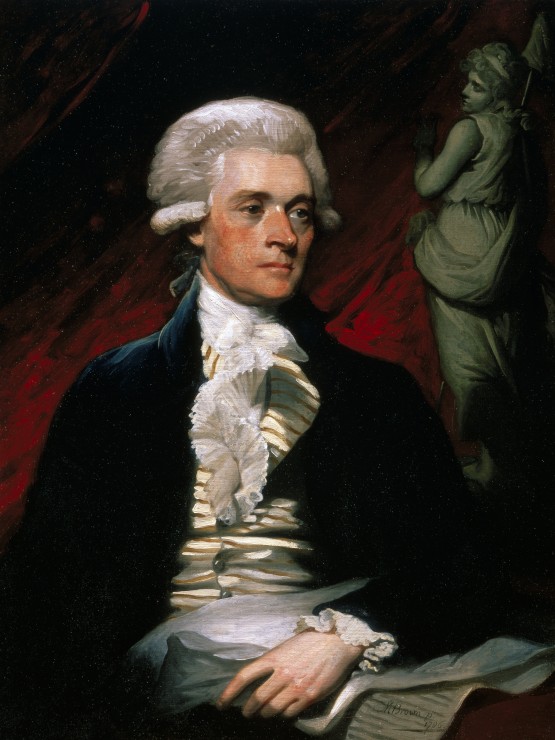

Meriweather Lewis added William Clark to this planned expedition. Six weeks after the Jefferson-directed expedition began, Lewis and Clark arrived at a confluence of two important rivers. The Missouri River. The Kansas River. 

Or, as we now know this area to be, six weeks after Lewis and Clark ventured out with 3 boats – and a team of 50 – Lewis and Clark arrived at Crossroads. Lewis and Clark arrived in, what would go on to become…Kansas City.
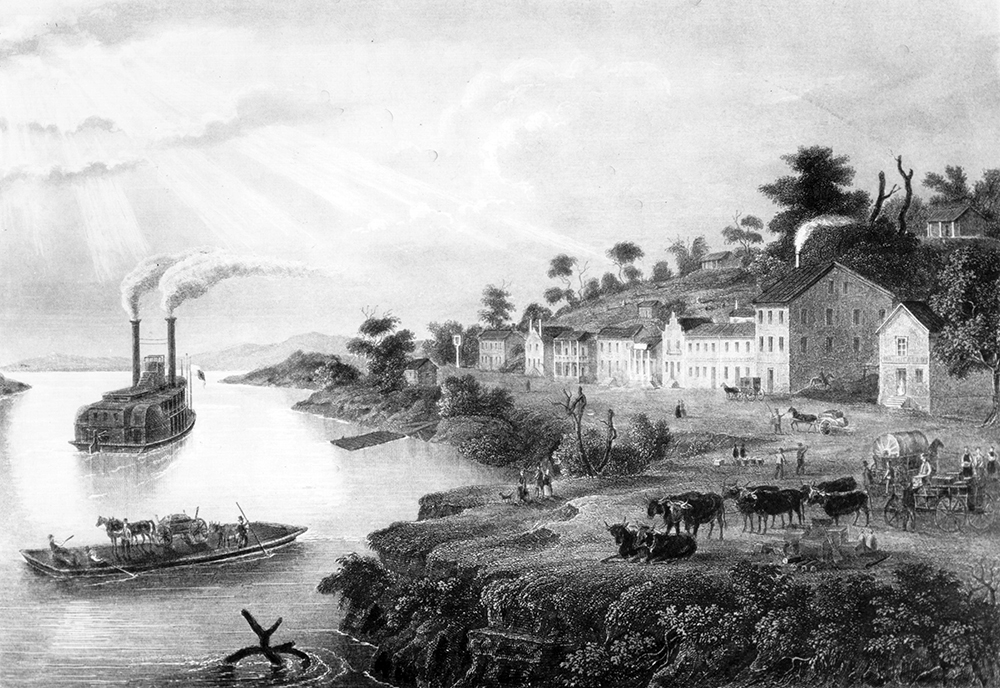
Kansas City, in the very beginning

Kansas City… Kansas City, Missouri. Kansas City, Kansas. 


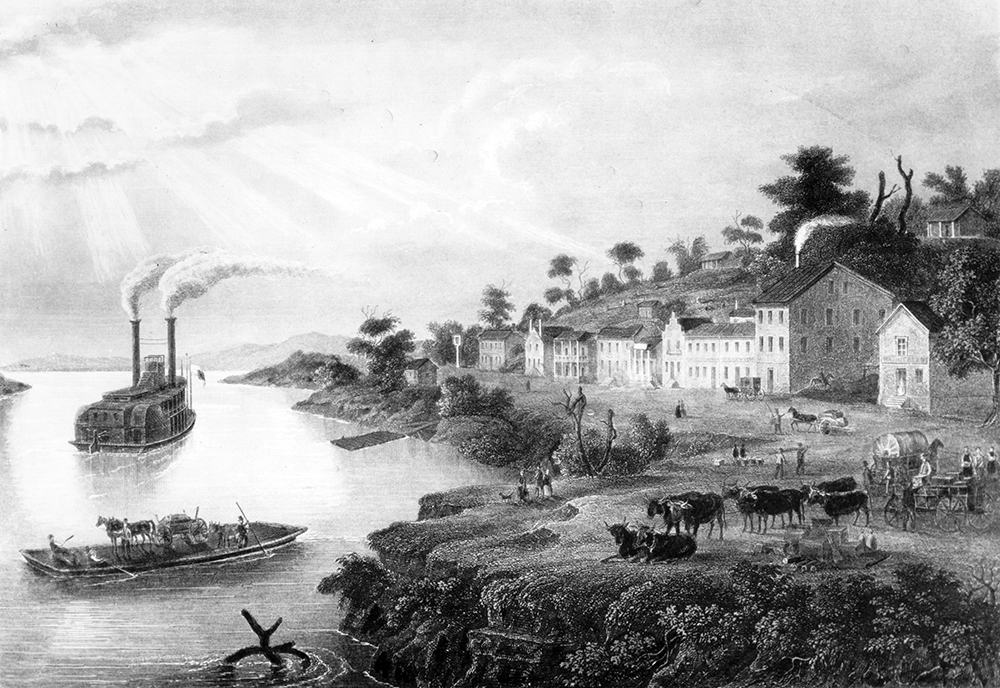
There had been a few different beginnings for what we now know to be Kansas City. The very first one?  

In the 1830s, we had the first one – Westport Landing. 

Westport Landing was established on a section of 257 acres which would evolve into what would become Kansas City, Missouri. 

The 257 acres had been sold by the federal government to a man of French ancestry…Gabriel Prudhomme. This land sale took place in 1831. 

Whereas the land Gabriel Prudhomme purchased from the federal government would go on to become Kansas City, Missouri, Westport Landing was the early, pre-Kansas City, Kansas City development.

Westport Landing – strategically set up alongside the heavily-trafficked Santa Fe Trail – was an unincorporated collection of merchants. These were merchants who established their businesses in Westport Landing to provide Santa Fe Trail travelers with supplies. 

The merchants were inland. And the Westport Landing merchants figured out they could reduce their costs by receiving supplies by way of the Missouri River. Rather than by land. And they did.

The waterway entry point at which Westport Landing merchants were able to receive supplies shipped to them on the Missouri River was located where what is now Grand Boulevard in Kansas City, Missouri intersects with the Missouri River. And it is at this intersection – where Grand Boulevard meets the “Big Muddy” – where we found Westport Landing. 

Twenty years later – in 1850 – Westport Landing was incorporated as the Town of Kansas. 

Three years after that – in 1853 – the Town of Kansas was reincorporated and renamed. The new name for the Town of Kansas? The City of Kansas. And this renaming – as the City of Kansas – took place eight years before the State of Kansas became the 34th state of the United States. In 1861. 

In 1889, the name for the city – the City of Kansas – was changed. Changed to Kansas City. The very, very first Kansas City – that first Kansas City being, Westport – was annexed by Kansas City, Missouri eight years later. In 1897.

All the while, on the other side of the Missouri River – in the new Kansas Territory – small Kansas settlements were forming. And growing. Growing into small Kansas towns.

In 1872, a consortium of small Kansas towns – on the other side of the river – merged. And incorporated. Therein – in 1872 – we have the origin for Kansas City, Kansas.

Wherein the larger Kansas City – and the older Kansas City, too – is the one which is located in Missouri, and not in Kansas, the “Kansas” in Kansas City is not derived from the State of Kansas.

The name of the city – Kansas City, Missouri – was named after a river. Not a state. Not Kansas. That river being…the Kanza River. 

The Kanza River would go on to become the Kansas River. The Kansas River provided the name – “Kansas” – for the city – Kansas City, Missouri.

So the city – Kansas City – which originally formed as Westport Landing, which would later go on to become the Town of Kansas, which would later go on to become the City of Kansas, which would later go on to become Kansas City…does not derive its name from its neighbor to the west – the State of Kansas.

Kansas City…in the very beginning


Kansas City… Kansas City, Missouri. Kansas City, Kansas.

There had been a few different beginnings for what we now know to be Kansas City. The very first one?  

In the 1830s, we had the first one – Westport Landing. 

Westport Landing was established on a section of 257 acres which would evolve into what would become Kansas City, Missouri.

The 257 acres had been sold by the federal government to a man of French ancestry…Gabriel Prudhomme. This land sale took place in 1831.

Whereas the land Gabriel Prudhomme purchased from the federal government would go on to become Kansas City, Missouri, Westport Landing was the early, pre-Kansas City, Kansas City development.

Westport Landing – strategically set up alongside the heavily-trafficked Santa Fe Trail – was an unincorporated collection of merchants. These were merchants who established their businesses in Westport Landing to provide Santa Fe Trail travelers with supplies. 

The merchants were inland. And the Westport Landing merchants figured out they could reduce their costs by receiving supplies by way of the Missouri River. Rather than by land. And they did.

The waterway entry point at which Westport Landing merchants were able to receive supplies shipped to them on the Missouri River was located where what is now Grand Boulevard in Kansas City, Missouri intersects with the Missouri River. And it is at this intersection – where Grand Boulevard meets the “Big Muddy” – where we found Westport Landing. 

Twenty years later – in 1850 – Westport Landing was incorporated as the Town of Kansas.

Three years after that – in 1853 – the Town of Kansas was reincorporated and renamed. The new name for the Town of Kansas? The City of Kansas. And this renaming – as the City of Kansas – took place eight years before the State of Kansas became the 34th state of the United States. In 1861. 

In 1889, the name for the city – the City of Kansas – was changed. Changed to Kansas City. The very, very first Kansas City – that first Kansas City being, Westport – was annexed by Kansas City, Missouri eight years later. In 1897.

All the while, on the other side of the Missouri River – in the new Kansas Territory – small Kansas settlements were forming. And growing. Growing into small Kansas towns.

In 1872, a consortium of small Kansas towns – on the other side of the river – merged. And incorporated. Therein – in 1872 – we have the origin for Kansas City, Kansas.

Wherein the larger Kansas City – and the older Kansas City, too – is the one which is located in Missouri, and not in Kansas, the “Kansas” in Kansas City is not derived from the State of Kansas.

The name of the city – Kansas City, Missouri – was named after a river. Not a state. Not Kansas. That river being…the Kanza River.

The Kanza River would go on to become the Kansas River. The Kansas River provided the name – “Kansas” – for the city – Kansas City, Missouri.

And Kansas


So the city – Kansas City – which originally formed as Westport Landing, which would later go on to become the Town of Kansas, which would later go on to become the City of Kansas, which would later go on to become Kansas City…does not derive its name from its neighbor to the west – the State of Kansas.

Neighborhoods are often interwoven by unique neighborhood features…and in KC’s Brookside, arguably, that unique neighborhood feature was that trolley…


Brookside is a proud collection of charming, quaint, leafy neighborhoods. Located in a southern section within Paris of the Plains – Kansas City, Missouri. Brookside also happens to be the largest contiguous master-planned community in the United States. Master-planned communities…that topic shall be left for another writing.

Part of the Country Club District, original plans for Brookside neighborhoods included building new homes for middle-income families, upper middle-income families, as well as high-income families. The more expensive homes in Brookside neighborhoods tended to have been built towards the west. Oftentimes, higher home values in Brookside neighborhoods have been assumed to be able to be determined based upon how far east – or how far west – of Main Street the home was originally built.

Brookside’s Trolley Track Trail…

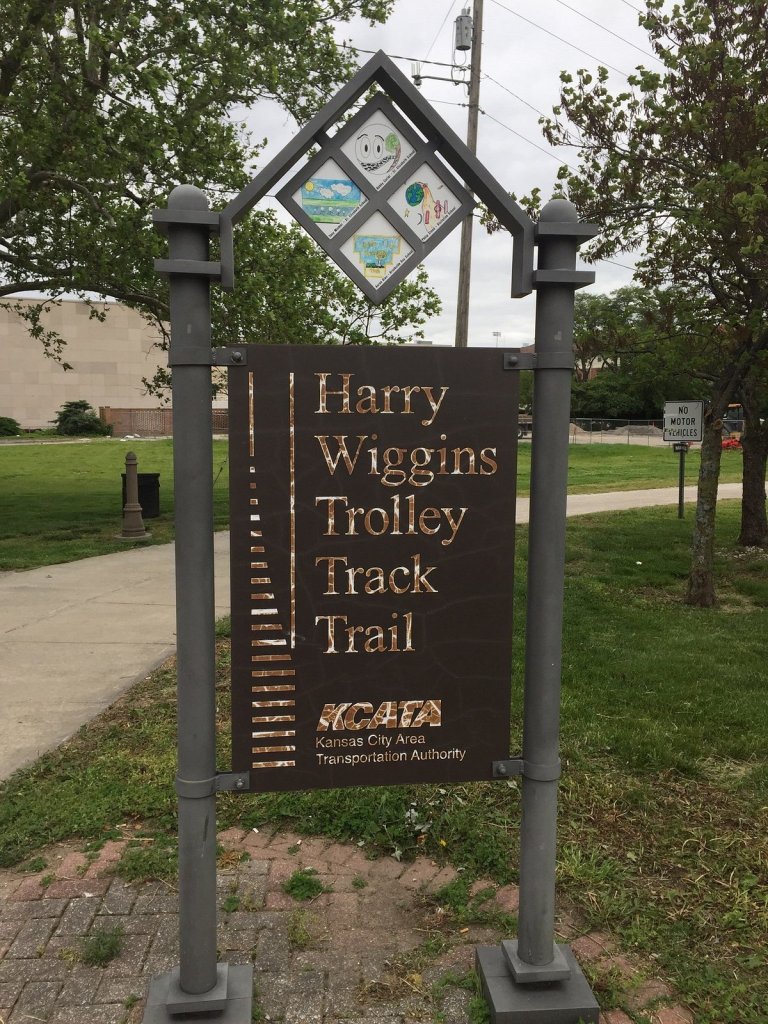
The Harry Wiggins Trolley Track Trail. This iconically-Brookside-only feature, named after the KC-born Missouri state senator Harry Wiggins – is a six-mile long pathway which runs right through the middle of those charming Brookside neighborhoods.

There is no trolley that one would ever find today on this Brookside trolley trail. No trolley, and no trolley tracks either. But at one time, there had been a trolley. Trolley tracks too. That old Brookside trolley run in Kansas City had been born in the late 19th Century.

By the late 1800’s, similar to cable cars which were already running out west in San Francisco, early-day KC trolleys, traveling along the Harry Wiggins Trolley Track Trail – through Brookside – were propelled by underground cables. The earliest Brookside trolleys ran by gripping underground cables. The underground cables were built along – I.e.: built underneath – the Brookside trolley track.

As the late 19th Century transitioned into the early part of the 20th Century, the means by which KC streetcars and trolleys were propelled – the underground cable system – was replaced with a streetcar and a trolley propulsion system, powered by electricity.

Those old Brookside trolley tracks we are talking about here have long since been torn up. The Harry Wiggins Trolley Track Trail is a now KC favorite among walkers, runners and cyclists. Not trolleys. Those old, adorable KC trolleys in Brookside – as well as the trolley tracks on which Brookside trolleys once traveled – long since having been replaced by a walking path. And by Kansas Citians walking, jogging or cycling over to Roasterie to enjoy a nice latte. In Brookside.

At its inception, the Harry Wiggins Trolley Track Trail fostered a trackbed, wooden cross ties, and the ballast. Facilitating a trolley’s passageway, through Brookside neighborhoods. This trolley line? This was the Country Club Line.

The Country Club Line took trolley patrons south in KC…over to Brookside Shops at 63rd Street and Brookside Boulevard. To a fun-filled day of Brookside shopping.

Founded in 1920, the Brookside Shopping District was Kansas City’s first suburban shopping center. Thirty-seven years after the Brookside Shopping District first opened, the last KC trolley chugged along that old Country Cub Line, and into Brookside. That was in 1957…1957 being the year the last trolley traveled into Brookside.

At one time, Kansas City had one of the most extensive streetcar systems – and trolley systems – in the country. In 2024, Kansas City – happily, once again – has its own fabulous KC streetcar system. One which is quite unique to Kansas City.

During the latter part of the 19th Century – and on in to the early part of the 20th Century – Kansas City’s streetcar system functioned as the primary mode of public transportation for Kansas Citians.

Times changed. Kansas City, like most cities by the mid-20th Century, replaced their streetcar system – as well as their trolley, and their trolley tracks – with buses. And bus routes.

Long, long ago those old trolley tracks in Brookside were torn up. Streetcar lines were torn up throughout Kansas City. The end of KC’s streetcar. The end of KC’s Brookside trolley.

In Brookside, this end-of-an-era transportation transformation led to the adoption of the Harry Wiggins Trolley Track Trail as a Brookside neighborhood favorite. For walkers, joggers and cyclists.

The Harry Wiggins Trolley Track Trail.

Colts Neck Township

The origin of Monmouth County’s Colts Neck Township goes all the way back to the late 17th Century. So let’s take a look at our 17th Century beginning for what we know today to be, Colts Neck Township.


The origin of Colts Neck Township

In 1676, two Native Americans brokered a real estate sale. This was a land sale. The land sale totaled just under 1,200 acres. To be precise, it a 1,170-acre brokered land sale.

This acreage was sold to four Monmouth County locals. These four Monmouth County locals? Nathaniel Leonard, Thomas Leonard, Henry Leonard and Samuel Leonard. 

Here is the breakdown for the Leonards’ 1.170-acre 17th Century Monmouth County land purchase – Henry Leonard acquired 450 of the 1,170 total acres. Samuel Leonard acquired 240 acres. Nathaniel Leonard acquired 120 acres. John Leonard acquired 120 acres. And Samuel Leonard acquired 120 acres. Here we have the original real estate sale for what would go on to become, Colts Neck Township.


Recorded in the minutes of the Board of Proprietors of the Eastern Division of New Jersey is one specific bill of sale which would be of interest to those who love Colts Neck. As well as to Monmouth County historians. This, the bill of sale for our aforementioned 17th Century “Colts Neck” land sale – the Leonards’ acquisition of these 1,170 acres in Monmouth County. Nearly 1,200 acres which would, in time, evolve into today’s Colts Neck Township.

The four Leonards acquired their land from two native Americans. The two Native American land sellers? The sellers of the 1,170 Monmouth County acres which would go on to become Colts Neck Township? Almeseke and Lamasand.


While the history of, How Colts Neck Township came to be…, goes all the way back to this brokered 17th Century real estate sale between the Leonards and Almeseke and Lamasand, it would be another two hundred years after this brokered land sale until Colts Neck Township officially became a New Jersey township. And from this point, it would be another one hundred years until the township name – Colts Neck Township – would become the official name for today’s Colts Neck Township.


As a township name, Colts Neck Township was officially adopted in 1962. Through a local referendum. 


Prior to the aforementioned 1962 referendum – which gave Colts Neck Township its name – what is now Colts Neck was, at that time, Atlantic Township. 

Atlantic Township?

In 1847, through an act which was carried out by the New Jersey legislature, Atlantic Township was established.

Atlantic Township, circa 1847 (formed by way of an act of the New Jersey legislature) would be renamed Colts Neck Township, circa 1962 (by way of a local referendum).  

Through an act of the New Jersey legislature, Colts Neck TownshipI.e.: Atlantic Township, at that time – was initially spun off from portions of three neighboring townships – Shrewsbury, Middletown and Freehold. There is a bit of irony to this 1847 legislative land spin off. This irony involves Shrewsbury. 

At one time, Shrewsbury had been one of the largest sections of the land area which we would have, informally at that time – prior to any local referendums, prior to any acts carried out by the New Jersey legislature, and prior to any Township Act – called “Colts Neck.

Through the New Jersey Township Act, Shrewsbury – as one contributor to the formal origin of what is today, Colts Neck Township– became a New Jersey township 49 years prior to Colts Neck’s appointment as a New Jersey township.


For comments about this article, or for ideas or suggestions for additional pieces written about Colts Neck Township, kindly email or call the author, Ted Ihde.

email: authortedihde@gmail.com

mobile: (816) 699-6804

Homesteading

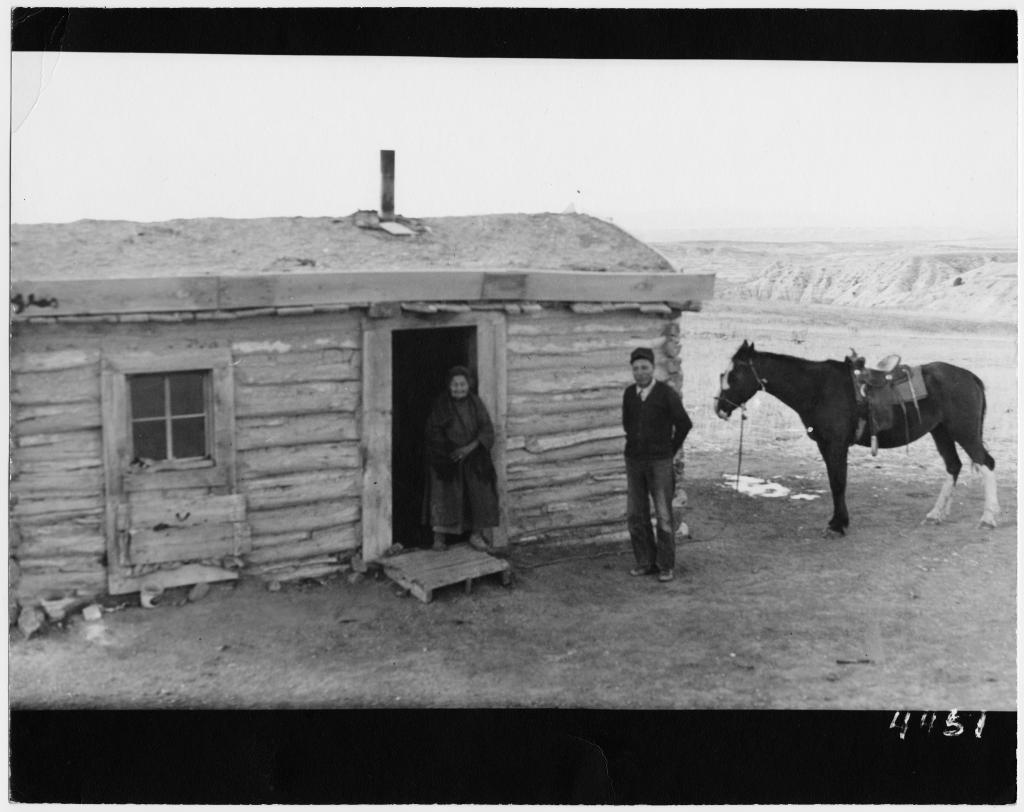
Early on in American history, as settlers pushed westward across the country, land had been able to be conveyed to those early American settlers through the Homestead Act.


Provisions within the Homestead Act called for conveyed land to be transferred with one condition of land transfers being, for that land to be settled, resided upon and cultivated – I:e.: improved – by he who acquired the land.

Early American “developers” – I:e.: westward-pushing settlers – were instrumental in effectuating intent found within the Homestead Act.

Homesteading had been a federal policy in the United States through the mid-1970’s.

In 1976, when President Gerald Ford signed the Federal Land Policy and Management Act, homesteading – as a federal policy – ceased to exist. The Federal Land Policy and Management Act was (and is) applicable to public land in the United States which is managed by the Bureau of Land Management.