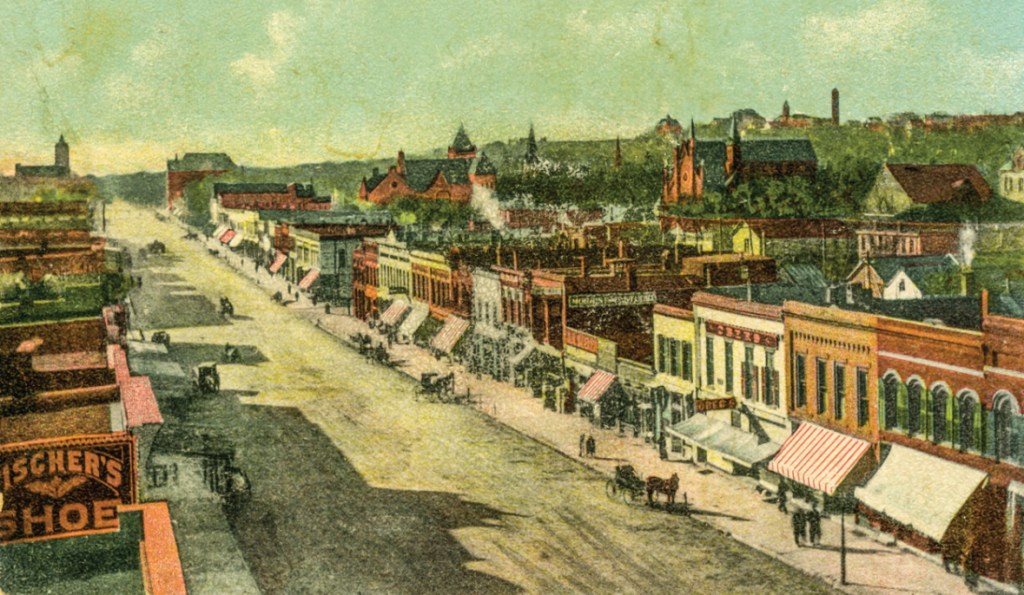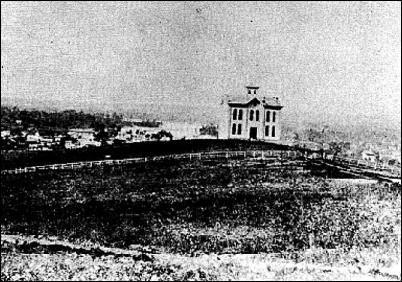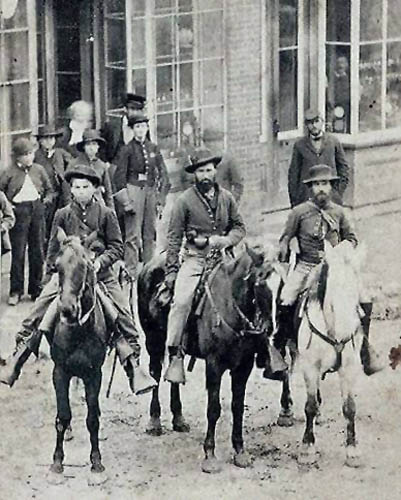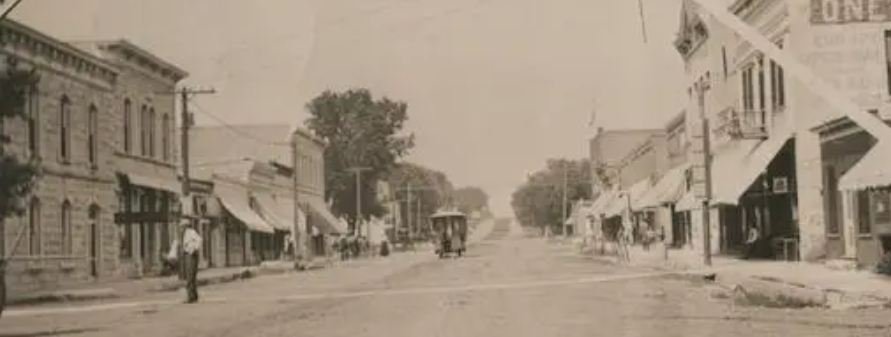
Strong City, Kansas


…for the next time you see one of those long BNSF freight trains chugging along the tracks. Whether you see one of those BNSF freight trains in Los Angeles. Or in New York City. Or in Dallas. Or in Chicago. The next time you see one of those BNSF freight trains, you can think about a town located along the Flint Hills Scenic Byway in Chase County, Kansas. You can think about Strong City. Population, 388.

Five years after the Kansas Territory was first organized… Two years prior to Kansas becoming our 34th U.S. State…Chase County, Kansas was born. That year? 1859.

Twenty-two years after that – in 1881 – the railroad in the United States entered Chase County, Kansas. The Chase County town which was the benefactor of this rail extension in Kansas had been Cottonwood.


And in Cottonwood, a new train station was built. That new train station – built in 1881 in Cottonwood – became, the Cottonwood Station.

The very next year – in 1882 – the town of Cottonwood would change its name. Becoming, Strong. Later becoming, Strong City.

Our Strong City name took hold much, much later. Sixty-three years later, to be precise. In 1945.

Strong City

Yet, let’s go back to the beginning of it all. To the very beginning of Strong City’s – then, Strong’s – imprint on U.S. rail.

The beginning, which brings us to a New Englander. A New Englander, who was born in Vermont. A New Englander by the name of William Barlow Strong. W.B. Strong. As W.B. Strong is where our Strong City-BNSF connection begins.

W.B. Strong. Our namesake for Strong. Our namesake for Strong City. W.B. Strong. W.B.Strong, the man on whom a petition had been set forth to change a Chase County town’s name. From Cottonwood to Strong.

When that railroad –  the Atchison, Topeka and Santa Fe Railway – was extended into Cottonwood in 1881, W.B. Strong served as president at Atchison, Topeka and Santa Fe Railway.


The year Cottonwood Station first opened- in 1881 – would be the same year W.B. Strong took over the reins at Atchison, Topeka and Santa Fe Railway. As president. Atchison, Topeka and Santa Fe Railway. ATSF, for short.

Expanding on from the opening of that Cottonwood Station in 1881, under W.B. Strong’s leadership, ATSF significantly grew its train routes. To cover 7,000 miles. 7,000 miles of Atchison, Topeka and Santa Fe Railway routes. Throughout the United States.

Headed by W.B. Strong, Atchison, Topeka and Santa Fe Railway went on to become part of what is today the largest railroad in the United States. ATSF’s growth spurt coincided with the opening of that Cottonwood Station. In our Chase County town that would go on to bear W.B. Strong’s name. In Cottonwood. Later becoming, Strong. Later becoming, Strong City.

Strong City. The Chase County town named after our railroad executive, W.B. Strong.

Whenever we see a freight train, we no doubt will see the letters “BNSF” on those freight cars. And on those, once-steam, now diesel or electric, engines. BNSF is our modern-day evolution for Atchison, Topeka and Santa Fe Railway.

Atchison, Topeka and Santa Fe Railway went on to merge with Burlington Northern Railroad in 1995. Out of this merger, we had, Burlington Northern & Santa Fe Railway.


Later becoming, simply, BNSF.


The prevalence of those BNSF freight trains we see throughout the United States…transporting goods from the West Coast to the East Coast. From the Midwest into Canada. From the Midwest into Mexico. The prevalence of those BNSF freight trains we see…we see those BNSF freight trains, arguably, as the modern day result of the expansion-oriented mindset which had been espoused by the man whose name is forever linked to our Chase County town. W.B. Strong. Our namesake, for Strong City.

In the late 19th Century, then-Cottonwood, later becoming Strong and later still, becoming Strong City, had a population of, between, a few hundred to one thousand people. Strong City’s population today is just about where it had been in its earliest days. A few hundred people.

Just as our Strong City forefather – W.B. Strong – laid the late 19th Century “tracks” for a company which would go to become the largest rail company in the United States – with over 32,000 miles of track, across 28 U.S. States – Strong City would proceed to make a second notable contribution to the freight-by-rail system we now have. 

Beginning in the late-19th Century, Strong quarries supplied large quantities of the stone which had been used for U.S. railway expansion. While at the same time, Strong stonemasons handled a good deal of the stone-work which had been necessary in order for that that late-19th Century/early-20th Century rail expansion to take place. 


While Strong stonemasons performed according to their names – as stonemasons, handling stone-work for railroads – Strong stonemasons extended their contributions to the growth of late-19th Century/early-20th Century rail in the U.S. beyond their stone-work. In fact, Strong stonemasons went on to enter into numerous phases of late-19th Century/early-20th Century railroad construction. Far beyond stone-work.

The laying of track. Building the bridges on which track was laid. Building train stations. Roadhouses.


Each being one such category of railroad construction that Strong stonemasons placed their signatures upon.

So…our Chase County town of 300-or-so residents, located a little less than a two hour’s drive west of Kansas City. Our Chase County town can be thought of whenever we do see one of those BNSF freight trains.

W.B. Strong. Strong. Later becoming, Strong City. Strong stonemasons. United States rail. BNSF.

For me, it’s quite difficult, moreso, impossible, to see a freight train and to not think about those picturesque drives I’ve taken, oh so many, many times, along Highway 177 in Kansas. Onto Main Street. Along the Flint Hills National Scenic Byway. Into…Strong City.

Strong City. Our Chase County town of 300-or-so people which has left its not so-little-at-all “Strong City signature” – in more ways than one – on U.S.cargo, shipped by rail. 
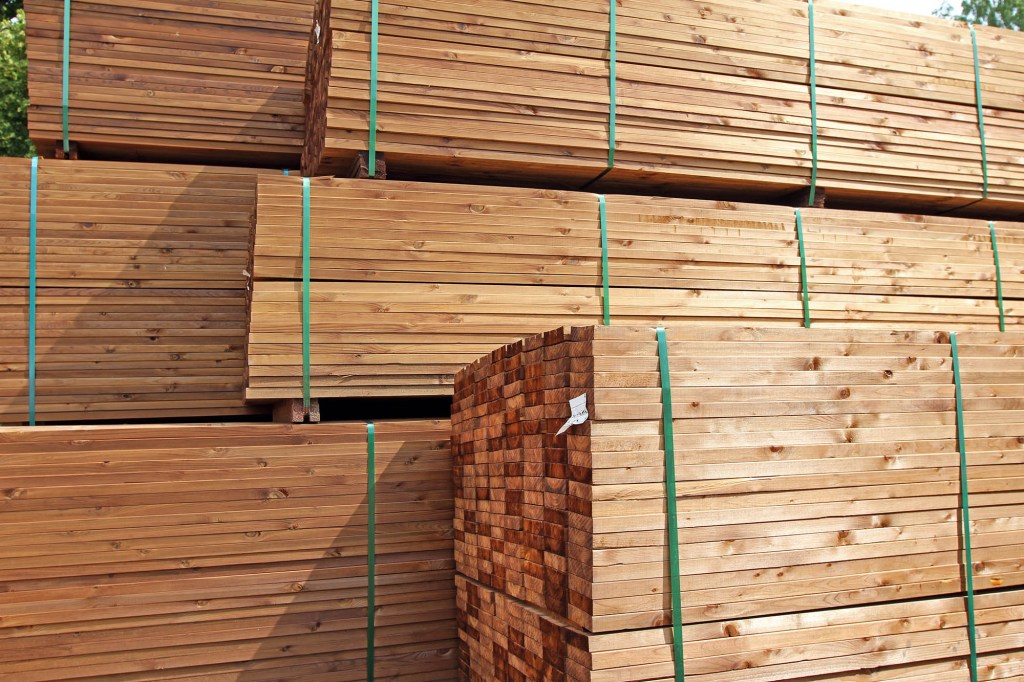
Lumber: types and uses


Framing lumber – I.e.: dimensional lumber – is the lumber used by builders in new home construction when, as our category foretells, we are talking about framing the new home. Framing the home and lumber…which brings us to an acronym. SPF.


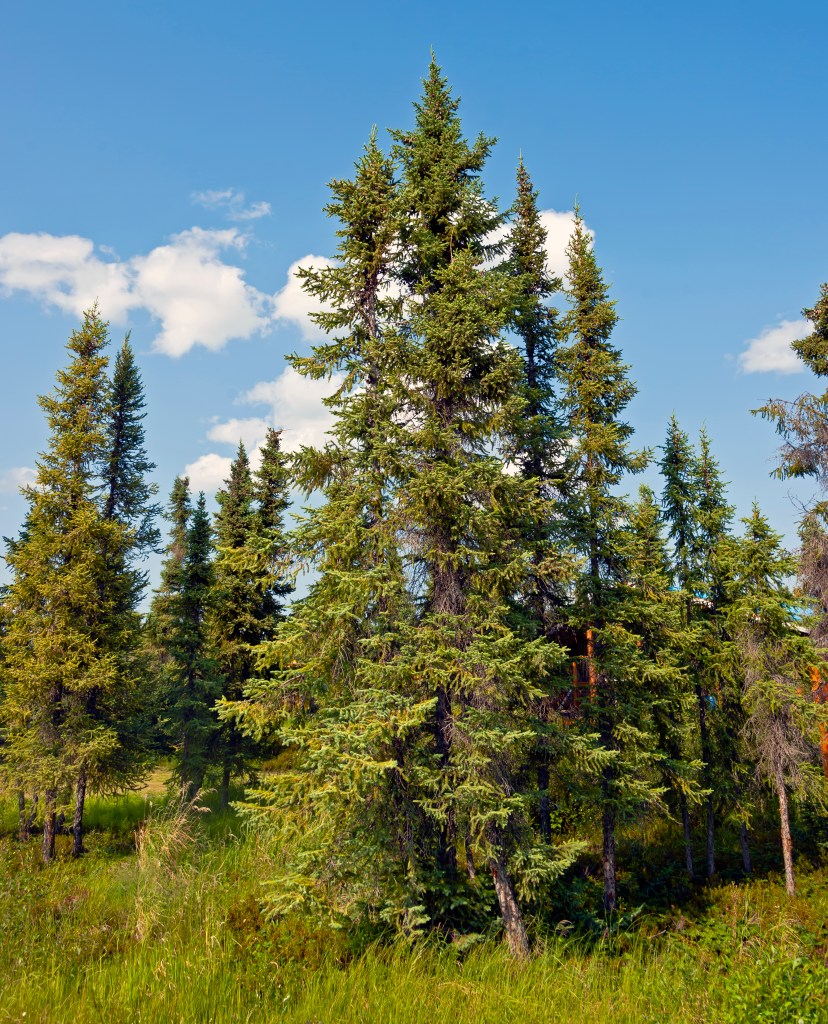
SPF. Spruce. Pine. Fir. This grouping, an attractive combination of strength and affordability. Spruce, pine and fir. More commonly referred to as SPF. The types of lumber builders use for different elements of framing.

Spruce, pine and fir are milled together. By milling SPF, you end up with standard dimensions of lumber – 2 x 4’s, 4 x 4’s and 2 x 6’s. 

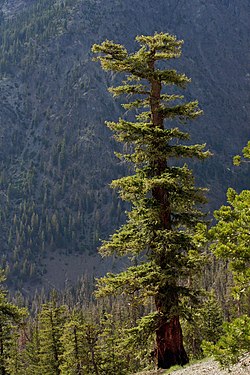
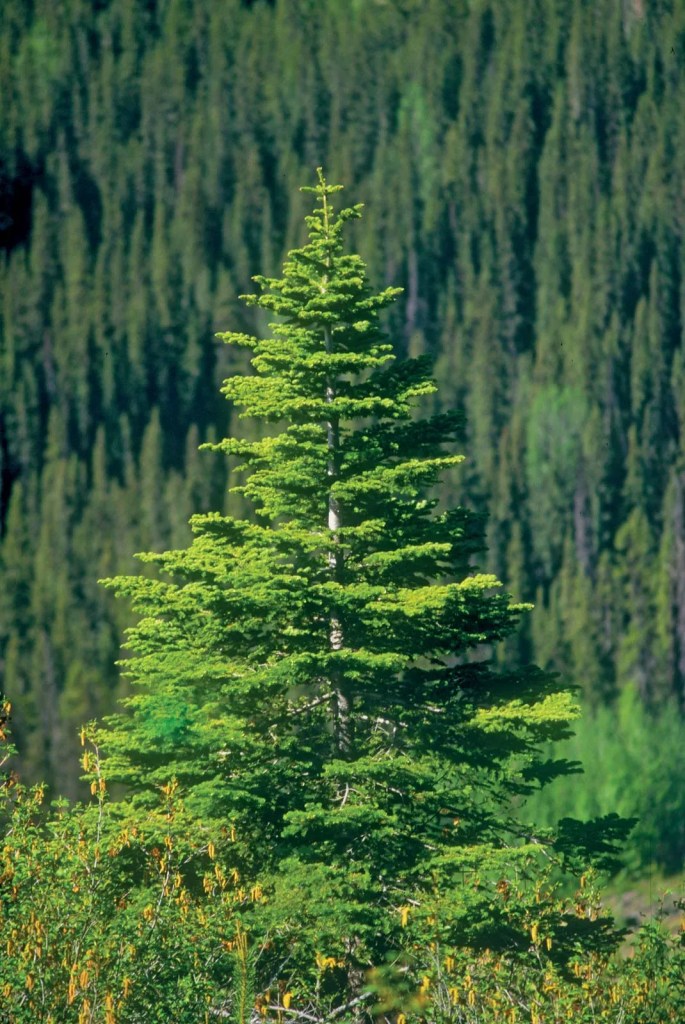
Let’s look at the “F” in our SPF – fir. Douglas fir.


Douglas fir is a type of lumber which is a core component in new home construction. Builders use Douglas fir for joists, posts and beams. Yet, not for trusses. 

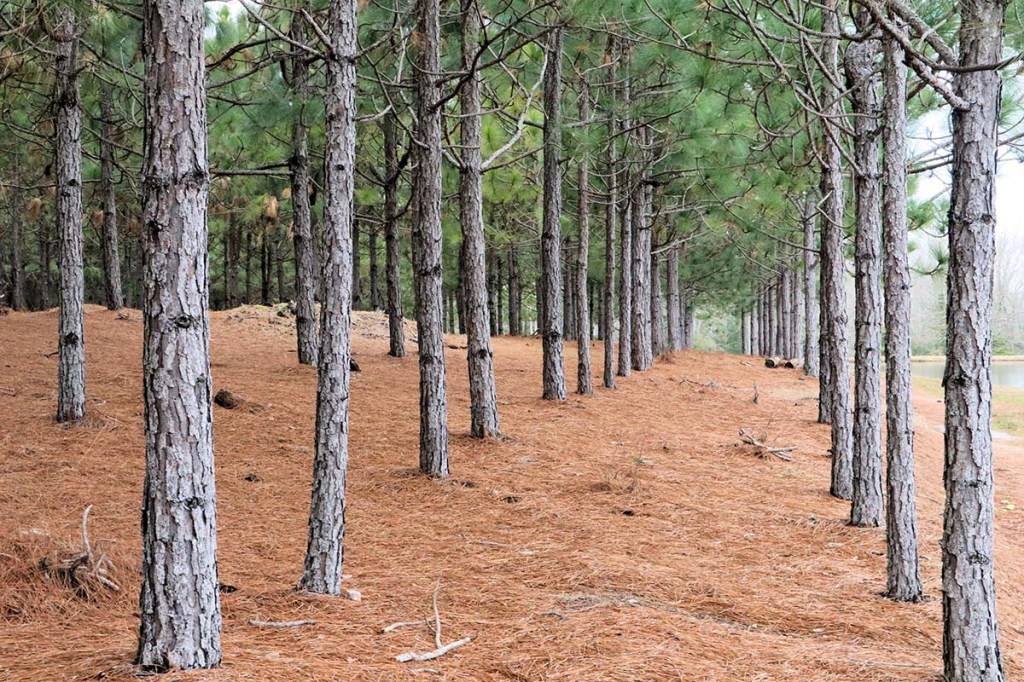
Southern Yellow Pine – when using pine for this specific application – is the preferred pine when it comes time for trusses. Although the “S” in our SPF – spruce – would more typically be used by builders for trusses. Moreso, than Southern Yellow Pine.


Spruce is known for its structural benefits. Hence, the use of spruce for trusses. Spruce is also known for its keen aesthetics. 

While spruce is used in load-bearing capacities – I.e.: for trusses (as well as for floor joists and wall studs) –  spruce is also used for interior finishes. Paneling. Molding. Trim. Spruce takes paint and stain quite well. Hence, the utilization of spruce for interior finishes.

Let’s look at the pricing of spruce…


One 1 x 3 x 16 board of spruce can be purchased by builders at, in the range of, $8.00/piece. While one piece of 1 x 4 x 16 spruce would be priced, in the range of, $10/piece.

In regard to the flooring, the trim and the cabinetry going into the new home, builders utilize a hardwood. Commonly, builders will use oak.  

There are several reasons why oak is not used by builders for framing. First off, oak tends to be pricier than SPF. While the (general) higher cost of oak – as compared to SPF – makes oak cost prohibitive when it comes time to frame the new home, cost is not the only reason homes are not framed with oak. Nor the main reason.

Oak has a tendency to split when nailed. So framing and oak? Quite simply, that’s just a bad “marriage.”

Let’s look, for a moment, into how much lumber a builder will need in order to build a home…

To construct one 4,000 square foot home, a builder will typically use between 20,000 to 25, 000 board feet of lumber. Which brings us to the “F” in our SPF – fir. Douglas fir. 

Douglas fir is one of the strongest – and the most durable – woods available to builders. This combination of strength and durability makes Douglas fir the optimal choice for builders when it comes time to frame the home. 

Douglas fir possesses exceptional dimensional stability. Furthermore, Douglas fir is not prone to warp. Nor to twist. Douglas fir…great for framing.

Let’s look, for a moment, at lumber prices…

For flooring, trim and cabinetry, builders like oak. So how much does oak cost? Well, that depends. 

4/4 Red Oak, 1-99 board feet, is priced in the range of $5.00/board foot. Which means, Red Oak would be classified as a rather inexpensive type of oak. 

Whereas Red Oak is a rather inexpensive type of oak, 4/4 Spessart Oak, 1-99 board feet, will range in price from between $22/board foot to $25/board foot. As compared to Red Oak, Spessart Oak would then be classified as a rather expensive type of oak. 

Spessart Oak – consisting of a fine texture – is a white oak found in the Spessart Forest in Germany. 


Red Oak is native to Canada – Nova Scotia and Ontario – as well as to the United States – Georgia, Mississippi, Nebraska and Oklahoma.

The new home the builder builds will, more likely than not, have oak cabinets. So, the type of cabinets the builder selects – combined with the type of oak used for those cabinets – will correlate to cabinet quality. And to cost. For example, using the two aforementioned types of oak – Red and Spessart – Spessart Oak cabinets will be more costly than Red Oak cabinets. 

We examined the cost of oak. As the type of oak – ranging from $5.00/board foot for Red Oak to $22 to $25/board foot for Spessart Oak – is determinative of the builder’s costs, in regard to his or her utilization of oak. As then so too will be the type of lumber used – in this case, oak – when it comes to the price of the home. Once construction of the home is complete. 

So let’s now look at SPF once again. This time, let’s look at the “P” – pine. And let’s look at the price of pine. 

The price of pine has a range. From mid-$2.00/board foot. To a high of $3.00/board foot. 

For example…

Builders can order 4/4 Eastern White Pine at a price of $2.50/board foot. 

While Poplar – a different type of pine – is more expensive. Poplar can be ordered by builders at $3.75/board foot. 


When building the home, White Pine and Poplar would be used for decorative elements. For interior trim. As well as for paneling.

So let’s look at framing. And lumber costs. For our 4,000 square foot home. 

4 x 4 Douglas fir will range in price from $10.00/board foot to $16.00/board foot. 

Let’s use a Douglas fir price of $15.00/board foot for our new 4,000 square foot home. And let’s say the builder needs 25,000 board feet of Douglas fir to build that new home.

25,000 board feet of Douglas fir – at a price of $15/board foot – would give us a total lumber cost of $375,000.

Lumber: types and uses

Framing lumber – I.e.: dimensional lumber – is the lumber used by builders in new home construction when, as our category foretells, we are talking about framing the new home. Framing the home and lumber…which brings us to an acronym. SPF.


SPF. Spruce. Pine. Fir. This grouping, an attractive combination of strength and affordability. Spruce, pine and fir. More commonly referred to as SPF. The types of lumber builders use for different elements of framing.

Spruce, pine and fir are milled together. By milling SPF, you end up with standard dimensions of lumber – 2 x 4’s, 4 x 4’s and 2 x 6’s. 

Let’s look at the “F” in our SPF – fir. Douglas fir.


Douglas fir is a type of lumber which is a core component in new home construction. Builders use Douglas fir for joists, posts and beams. Yet, not for trusses.

Southern Yellow Pine – when using pine for this specific application – is the preferred pine when it comes time for trusses. Although the “S” in our SPF – spruce – would more typically be used by builders for trusses. Moreso, than Southern Yellow Pine.


Spruce is known for its structural benefits. Hence, the use of spruce for trusses. Spruce is also known for its keen aesthetics. 

While spruce is used in load-bearing capacities – I.e.: for trusses (as well as for floor joists and wall studs) –  spruce is also used for interior finishes. Paneling. Molding. Trim. Spruce takes paint and stain quite well. Hence, the utilization of spruce for interior finishes.

Let’s look at the pricing of spruce…


One 1 x 3 x 16 board of spruce can be purchased by builders at, in the range of, $8.00/piece. While one piece of 1 x 4 x 16 spruce would be priced, in the range of, $10/piece.

In regard to the flooring, the trim and the cabinetry going into the new home, builders utilize a hardwood. Commonly, builders will use oak.  

There are several reasons why oak is not used by builders for framing. First off, oak tends to be pricier than SPF. While the (general) higher cost of oak – as compared to SPF – makes oak cost prohibitive when it comes time to frame the new home, cost is not the only reason homes are not framed with oak. Nor the main reason.

Oak has a tendency to split when nailed. So framing and oak? Quite simply, that’s just a bad “marriage.”

Let’s look, for a moment, into how much lumber a builder will need in order to build a home…

To construct one 4,000 square foot home, a builder will typically use between 20,000 to 25, 000 board feet of lumber. Which brings us to the “F” in our SPF – fir. Douglas fir. 

Douglas fir is one of the strongest – and the most durable – woods available to builders. This combination of strength and durability makes Douglas fir the optimal choice for builders when it comes time to frame the home.

Douglas fir possesses exceptional dimensional stability. Furthermore, Douglas fir is not prone to warp. Nor to twist. Douglas fir…great for framing.

Let’s look, for a moment, at lumber prices…

For flooring, trim and cabinetry, builders like oak. So how much does oak cost? Well, that depends.

4/4 Red Oak, 1-99 board feet, is priced in the range of $5.00/board foot. Which means, Red Oak would be classified as a rather inexpensive type of oak. 

Whereas Red Oak is a rather inexpensive type of oak, 4/4 Spessart Oak, 1-99 board feet, will range in price from between $22/board foot to $25/board foot. As compared to Red Oak, Spessart Oak would then be classified as a rather expensive type of oak. 

Spessart Oak – consisting of a fine texture – is a white oak found in the Spessart Forest in Germany.


Red Oak is native to Canada – Nova Scotia and Ontario – as well as to the United States – Georgia, Mississippi, Nebraska and Oklahoma.

The new home the builder builds will, more likely than not, have oak cabinets. So, the type of cabinets the builder selects – combined with the type of oak used for those cabinets – will correlate to cabinet quality. And to cost. For example, using the two aforementioned types of oak – Red and Spessart – Spessart Oak cabinets will be more costly than Red Oak cabinets. 

We examined the cost of oak. As the type of oak – ranging from $5.00/board foot for Red Oak to $22 to $25/board foot for Spessart Oak – is determinative of the builder’s costs, in regard to his or her utilization of oak. As then so too will be the type of lumber used – in this case, oak – when it comes to the price of the home. Once construction of the home is complete.

So let’s now look at SPF once again. This time, let’s look at the “P” – pine. And let’s look at the price of pine. 

The price of pine has a range. From mid-$2.00/board foot. To a high of $3.00/board foot.

For example…

Builders can order 4/4 Eastern White Pine at a price of $2.50/board foot.

While Poplar – a different type of pine – is more expensive. Poplar can be ordered by builders at $3.75/board foot. 


When building the home, White Pine and Poplar would be used for decorative elements. For interior trim. As well as for paneling.

So let’s look at framing. And lumber costs. For our 4,000 square foot home. 

4 x 4 Douglas fir will range in price from $10.00/board foot to $16.00/board foot.

Let’s use a Douglas fir price of $15.00/board foot for our new 4,000 square foot home. And let’s say the builder needs 25,000 board feet of Douglas fir to build that new home.

25,000 board feet of Douglas fir – at a price of $15/board foot – would give us a total lumber cost of $375,000.

Boston, a hill, limestone, abolitionists plus one rendering from a cartoonist…Lawrence, Kansas


Lawrence, Kansas was founded by a group of New England abolitionists. Abolitionists who were intent on establishing a new community where people of all races would be free. Culminating in Lawrence’s determination to ensure that Kansas – then…a territory – would be admitted to the United States as a “free state.”  

Lawrence was founded in 1854. Seven years prior to Kansas becoming the 34th State.

Nine years after the founding of Lawrence – in 1863 – then-Kansas Governor Thomas Carney signed a bill into law creating the second state university in Kansas. This university was to be built on 40 acres – the University of Kansas. Founded in 1864.

This university for Kansas – the second university within the Sunflower State – was to be constructed on Hogback Ridge. Hogback Ridge in Lawrence. Hogback Ridge, later becoming, Lawrence’s Mount Oread.


The relevance to Mount Oread? And to Mount Oread’s role in that which Lawrence is most famous for? This can be found under our feet.

Three years after Governor Carney signed into law the bill which would establish a Kansas university in Lawrence, classrooms at the University of Kansas first opened. This Lawrence university first started out as a preparatory school. With fewer than 100 students.

Back to Mount Oread…

Mount Oread – that section of Lawrence on which KU was built – sits on a bed of limestone.


Limestone is chalk rock. Chalk rock – transposed – becomes rock chalk.

Hence, our famous, Rock Chalk Jayhawk.

Rock chalk. Chalk rock. Chalk rock sits below KU’s classrooms as the – quite literally… – as the foundation of the university.

Our chant? Rock Chalk? That chant – originating in the chalk rock of limestone found in Lawrence’s Mount Oread – was originally a slogan used by the university’s science club. A science club slogan.

Let’s go back to that group of New Englanders who established Lawrence…

Those New Englanders who first established Lawrence were not so much a loosely-aligned abolitionist group at all. No, Lawrence’s forefathers were actually an organized company. This company? The New England Emigrant Aid Company.

The New England Emigrant Aid Company had been a Boston-based transportation company. Established to transport those who opposed slavery into this new Kansas Territory out west.

As abolitionists, the idea espoused by the New England Emigrant Aid Company went along these lines…

Through New England Emigrant Aid Company’s transportation of anti-slavery immigrants who would settle – en masse – in the new Kansas Territory, the politics within the Kansas Territory would then favor the abolishment of slavery. Not the expansion of slavery. Abolitionists.

As such, with sentiment taking hold in the new Kansas Territory which frowned upon the institution of slavery, Kansas would then (ideally) choose to join the United States as a free state. Not as slave state. Which it indeed did. in 1861.

Rock chalk. That’s about limestone. Limestone underneath the KU campus. 

And after Rock Chalk we find…Jayhawk.

Rock chalk…limestone. So, how about the Jayhawk part of our slogan? 

Any conversation one has about the Jayhawk part of this famous slogan from Lawrence brings us back to Lawrence’s idea for Kansas to join the Union as a free state. To efforts undertaken by the New England Emigrant Aid Company. And to Lawrence’s abolitionist “DNA.”

Prior to Kansas becoming a state in 1861, Kansas abolitionists battled pro-slavery factions. Factions who were intent on seeing Kansas join the Union as a slave state. Not as a free state. Those Kansas abolitionists we are referring to here were known as jayhawkers


During the 1860’s, jayhawkers were not only found in this new Kansas Territory. No, jayhawkers could also – at that time – be found throughout the Midwest. All the way down to Texas. The abolitionist movement of the 1860’s…native to the Midwest. Jayhawkers.

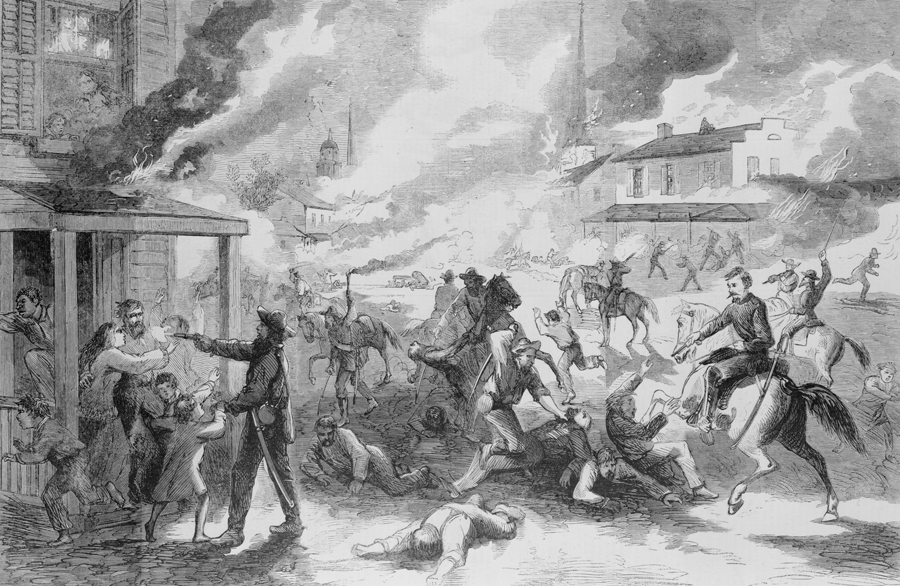
Yes, jayhawkers are most closely aligned with the State of Kansas. The Kansas Jayhawks. This is attributed to the Bleeding Kansas era. The period of violent conflict over the issue of slavery which took place prior to the outbreak of the Civil War.

Between 1854 and 1859, murder, violence, the destruction of property and total mayhem took hold in Eastern Kansas and Western Missouri. Bleeding Kansas.


Kansas and abolitionists. Lawrence and Kansas’s university. The University of Kansas and jayhawkers.

The University of Kansas officially adopted the Jayhawk as the school’s mascot in the year 1923. 

That duck-like bird we now know to be our KU Jayhawk? No, there is no winged-jayhawk bird flying over the beautiful prairies of Kansas. No, there is no winged-jayhawk bird which has ever flown over those beautiful Kansas prairies.

That famous duck-like bird we find under 16 Final Four banners in Allen Fieldhouse? That bird is an artistic creation.

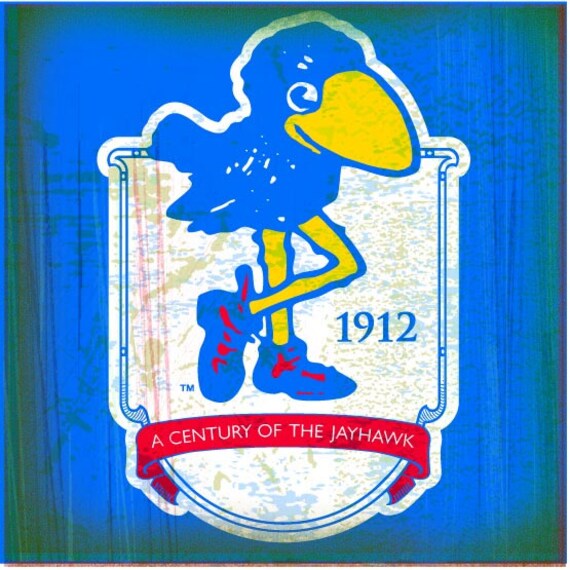
The most famous abolitionist logo in the history of sports can be traced all the way back to 1912.

In 1912 Henry Malloy was a cartoonist working for The University Daily Kansan – KU’s newspaper.

Henry Malloy – in 1912 – drew a picture of one shoe-wearing bird. And released his picture of his shoe-wearing bird in The University Daily Kansas. Our first jayhawk.


In 1923, eleven years after Henry Malloy created that very first jayhawk cartoon rendering, two KU sophomores – Jimmy O’Bryon and George Hollingbery – created the rendering more-closely based on the duck-like bird we find today in Allen Fieldhouse.

Boston…

Abolitionists…

A hill…

Limestone…

A cartoonist…

Two college sophomores…

Lawrence, Kansas.

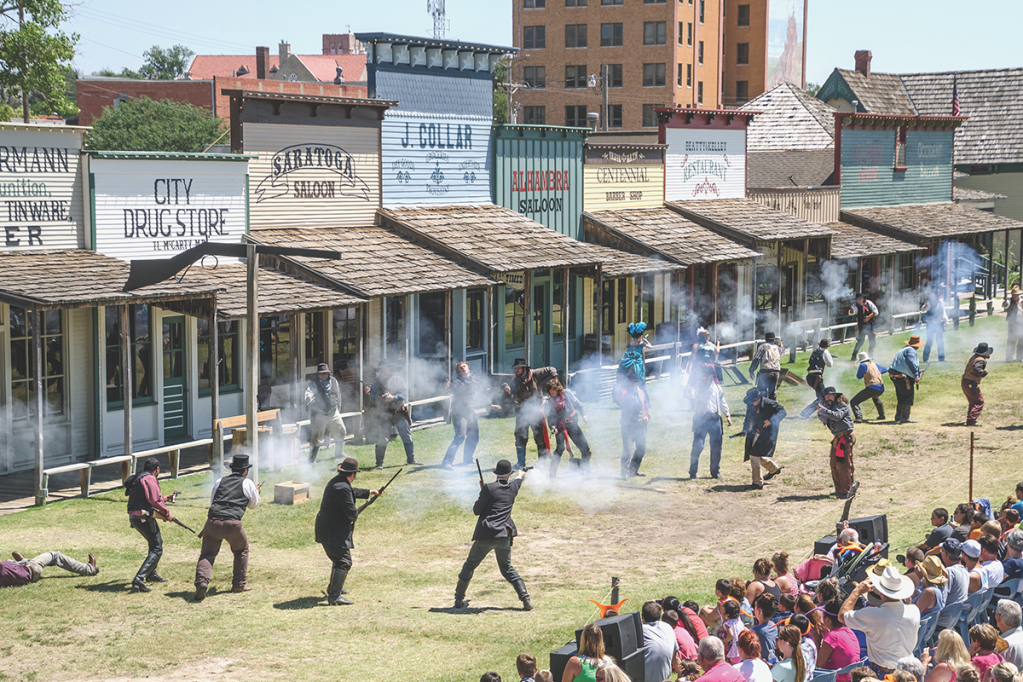
The famous saying, “Get out of Dodge…”

A town where buffalo hunters rested their weary legs, liquored-up, gambled and told their tales of adventures on the plains.

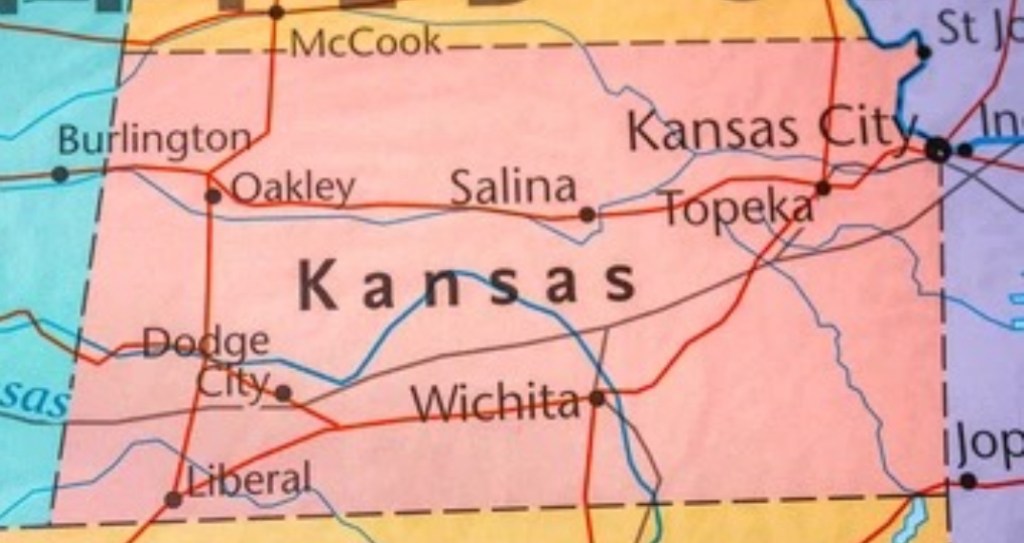
A town in Kansas which, to this day, is a cultural metaphor for violence and anarchy. The town which brings us our famous, “Get out of Dodge…”. Dodge City

.


But how did Dodge City – the onetime buffalo capital of the west – come to be…?


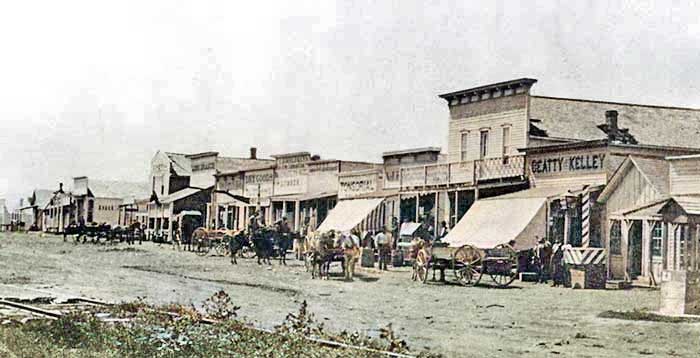
During the latter part of the 19th Century, alongside the Santa Fe Trail out in western Kansas there once stood a destination point for buffalo hunters. A destination point which history has allotted with fables, tales and lore. 

Late in the 19th Century, this settlement became a favorite among those who were brave enough (or maybe, crazy enough) to seek out potential fortunes that westward expansion held in store. 

This destination point – frequented by some of the roughest and toughest characters our country has ever seen – became Dodge City. 


Dodge City is the product of a confluence of circumstances. So let’s look at a few of those interesting circumstances…

One early congregation point for buffalo hunters – located in what would go on to become Dodge – was, a modest three-bedroom house.

Henry Sitler constructed his three-bedroom house near Fort Dodge in Kansas. Stiter’s home became known as a place where buffalo hunters’ could stop by. For a stay over. 

Circumstance…

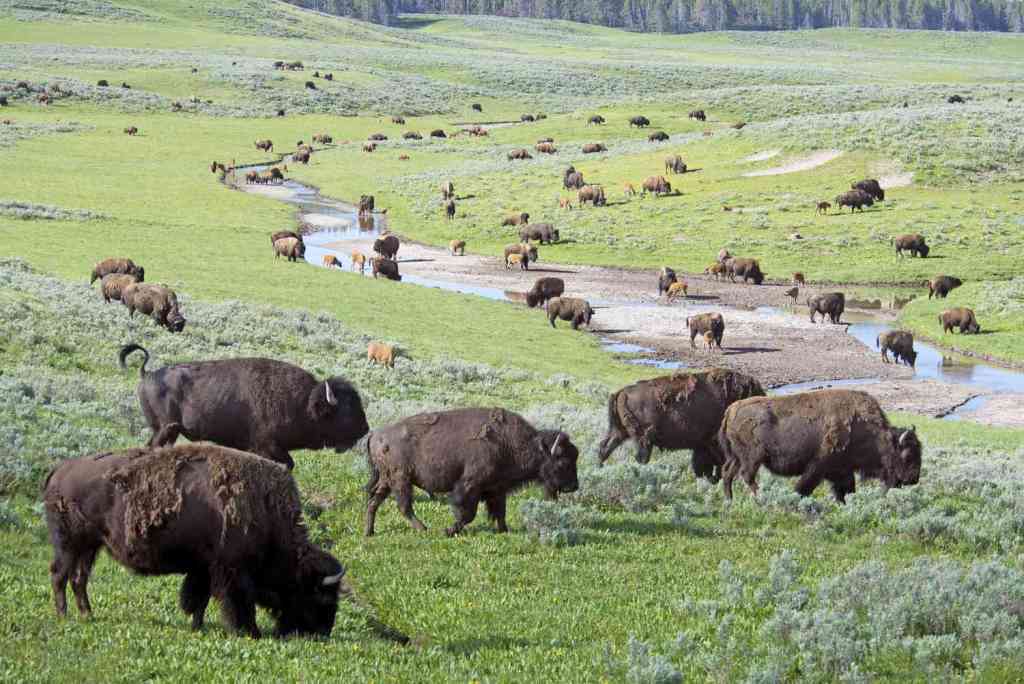
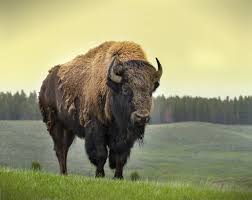
Within a few years of Stitler building his house in what would go on to become Dodge City, over 1 million buffalo were being loaded onto trains – near Fort Dodge, near Stitler’s home – and being shipped east.

While hunters and traders were drawn to buffalo hunts by the profit they could realize through buffalo leather – used for boots and belts – the federal government promoted bison hunting.


In Washington D.C. – as the thinking went in D.C. late in the 19th Century – America was intent on further expanding to the west. So, by reducing the buffalo population in the west, native peoples – people who stood in the way of America’s westward expansion – would lose their primary food source. Bison. Thus, turning – I.e.: forcing – natives towards an American product as their main food source. 


The thinking in D.C. at that time went something like this… Too many natives. And too many buffalos.

So we’ve established some foundational framework for how – and why – Dodge City emerged. 

The American government wanting to reduce the bison population…

Though D.C.’s endorsement, military forts facilitated the extinguishment of bison…

Traders profiteering from buffalo leather…

The inevitable confrontations with native tribes that buffalo hunters – as well as soldiers – were certain to encounter as they slaughtered bison – the primary food source of an indigenous people…

Those, a few of the situational circumstances encountered by visiters to Henry Sitler’s house.

One million buffalo being extinguished…

Alongside Atchison, Topeka and Santa Fe Railroad tracks…laden with train cars loaded with bison, en route to the east, Dodge City emerged as a major shipping center. While simultaneously becoming an American media darling. 

Attracting rugged hunters and traders from all over the nation, American newspapers were gobbling up tales of Dodge City’s bedlam and belligerence. So, Americans’ introduction to Dodge City came by way of stories which made their way to printing presses. Churned out to American newspapers. Sensationalism sells news. Dodge City, in its raw, rough and wild manner, was sensational. Tales of Dodge City’s wildness – the hunters, the traders… – sold newspapers. Dodge City became a favorite topic among American media.


As Dodge City was growing, at its earliest stages, there had been no law enforcement. Buffalo hunters, railroad men and fisticuffs. Coupled to saloons. The perfect elixir for lawlessness. And lawlessness did prevail. In fact, the origin for the name of Dodge City’s famous cemetery – Boot Hill Cemetery – emanates from Dodge City gunfighters who died with their boots on. In raucous Dodge City.
Dodge City, a town built on an economy which had been linked to buffalo. The buffalo trade and Dodge City. The prevalence of buffalo to Dodge City’s story is dynamic…yet short lived.

As Dodge City was growing – as a result of the buffalo trade – back east, in Washington D.C., the American government was intent on permanently putting down Indian resistance to American expansion. Orders were sent to one noted general, General William Sherman. Those orders? Slaughter the bison. Wipe out the natives’ primary food source. Drive natives onto reservations.

Within a few years, the buffalo population was reduced from millions to hundreds. Driving Dodge City’s buffalo hunters out of business. But not driving Dodge City out of business. The extinguishment of American bison simply served to function as a prelude to Dodge City continuing on as a real rough place out west.

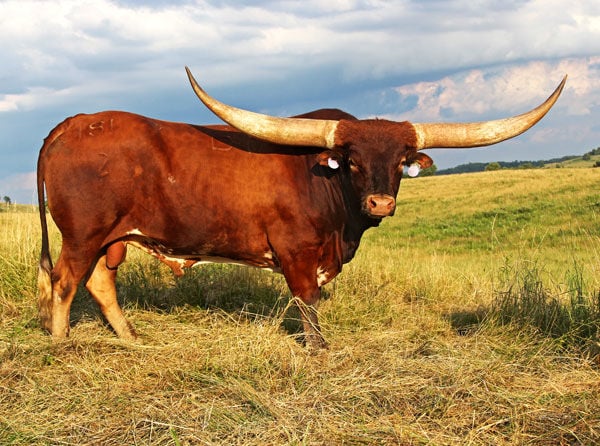
With buffalo having been removed from the plains, the cattle business took off in Dodge. Dodge City became a cowboy town. A still-lawless cowboy town, at that. 


The burgeoning lawlessness of the former buffalo capital of the west needed some sort of order to be established. As a more formal American cattle business replaced the informal buffalo trade in Dodge. And this need for order paved the way for Dodge City’s place within the curiosity of newspaper writers, Hollywood producers and, more broadly, American culture.

Tame Dodge City…

So an old buffalo hunter was brought in to do the job. He himself then proceeded to bring in his friend. Another old buffalo hunter. Together, they were going to temp down this unhinged town.

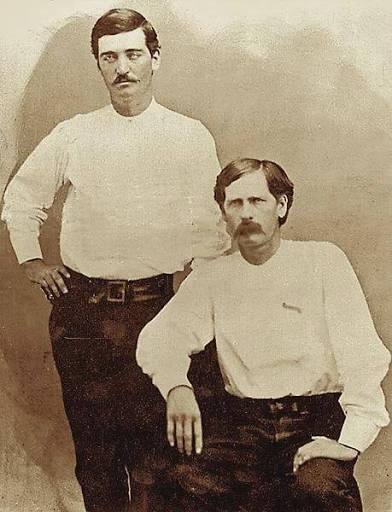
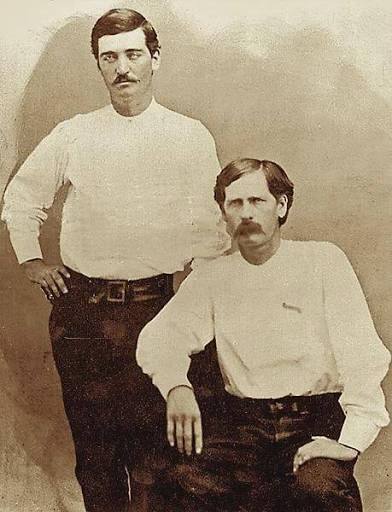
The man brought in to get Dodge under wraps became the deputy marshall. That man – the former buffalo hunter – was Wyatt Earp.

And the man Wyatt Earp brought in to help him to tame Dodge. The man Wyatt Earp appointed as his deputy marshall? That man – another former buffalo hunter – was Bat Masterson.

The famous saying, “Get out of Dodge…”

A town where buffalo hunters rested their weary legs, liquored-up, gambled and told their tales of adventures on the plains.

A town in Kansas which, to this day, is a cultural metaphor for violence and anarchy. The town which brings us our famous, “Get out of Dodge…”. Dodge City.


But how did Dodge City – the onetime buffalo capital of the west -come to be…?


During the latter part of the 19th Century, alongside the Santa Fe Trail out in western Kansas there once stood a destination point for buffalo hunters. A destination point which history has allotted with fables, tales and lore.

Late in the 19th Century, this settlement became a favorite among those who were brave enough (or maybe, crazy enough) to seek out potential fortunes that westward expansion held in store. 

This destination point – frequented by some of the roughest and toughest characters our country has ever seen – became Dodge City. 


Dodge City is the product of a confluence of circumstances. So let’s look at a few of those interesting circumstances…

One early congregation point for buffalo hunters – located in what would go on to become Dodge – was, a modest three-bedroom house.

Henry Sitler constructed his three-bedroom house near Fort Dodge in Kansas. Stiter’s home became known as a place where buffalo hunters’ could stop by. For a stay over.

Circumstance…

Within a few years of Stitler building his house in what would go on to become Dodge City, over 1 million buffalo were being loaded onto trains – near Fort Dodge, near Stitler’s home – and being shipped east.

While hunters and traders were drawn to buffalo hunts by the profit they could realize through buffalo leather – used for boots and belts – the federal government promoted bison hunting.

In Washington D.C. – as the thinking went in D.C. late in the 19th Century – America was intent on further expanding to the west. So, by reducing the buffalo population in the west, the native peoples – people who stood in the way of America’s westward expansion – would lose their primary food source. Bison. Thus, turning – I.e.: forcing -the natives towards an American product as their main food source. 

The thinking in D.C. at that time went something like this… Too many natives. And too many buffalos.

So we’ve established some foundational framework for how – and why – Dodge City emerged.

The American government wanting to reduce the bison population…

Though D.C.’s endorsement, military forts then facilitated the extinguishment of bison…

Traders profiteering from buffalo leather…

The inevitable confrontations with native tribes that buffalo hunters – as well as soldiers – were certain to encounter as they slaughtered bison – the primary food source of an indigenous people…

Those, a few of the situational circumstances encountered by visiters to Henry Sitler’s house.

One million buffalo being extinguished…

Alongside Atchison, Topeka and Santa Fe Railroad Kansas train tracks…laden with train cars loaded with bison, en route to the east…Dodge City emerged as a major shipping center. While simultaneously becoming an American media darling.

Attracting rugged hunters and traders from all over the nation, American newspapers were gobbling up tales of Dodge City’s bedlam and belligerence. So, Americans introduction to Dodge City came by way of stories which made their way to printing presses. Churned out to American newspapers. Sensationalism sells news. Dodge City, in its raw, rough and wild manner, was sensational. Tales of Dodge City’s wild-ness – the hunters, the traders… – sold newspapers. Dodge City became a favorite topic among American media.


As Dodge City was growing, at its earliest stages, there had been no law enforcement. Buffalo hunters, railroad men and fisticuffs. Coupled to saloon. The perfect elixir for lawlessness. As lawlessness did prevail. In fact, the origin for the name of Dodge City’s famous cemetery – Boot Hill Cemetery – emanates from Dodge City gunfighters who died with their boots on. In raucous Dodge City.
Dodge City was a town built on an economy linked to buffalo…

The buffalo trade and Dodge City. The prevalence of buffalo to Dodge City’s story is dynamic…yet short lived.

As Dodge City was growing – the result of the buffalo trade – back east, in Washington D.C., the American government was intent on permanently putting down Indian resistance to American expansion. Orders were sent to one noted general – General William Sherman. Those orders? Slaughter the bison. Wipe out the natives’ primary food source. Drive natives onto reservations.

Within a few years, the buffalo population was reduced from millions to hundreds. Driving Dodge City’s buffalo hunters out of business. But not driving Dodge City out of business. The extinguishment of American bison simply served to function as a prelude to Dodge City continuing on as a real rough place out west.

With buffalo having been removed from the plains, the cattle business took off in Dodge. Dodge City became a cowboy town. A still-lawless cowboy town, at that.


The burgeoning lawlessness of the former buffalo capital of the west needed some sort of order to be established. As a more formal American cattle business replaced the informal buffalo trade in Dodge. And this need for order paved the way for Dodge City’s place within the curiosity of newspaper writers, Hollywood producers and, more broadly, American culture.

Tame Dodge City…

So an old buffalo hunter was brought in to do the job. He himself then proceeded to bring in his friend. Another old buffalo hunter. Together, they were going to temp down this unhinged town.

The man brought in to get Dodge under wraps became the deputy marshall. That man – the former buffalo hunter – was Wyatt Earp.
And the man Wyatt Earp brought in to help him to tame Dodge. The man Wyatt Earp appointed as his deputy marshall? That man – another former buffalo hunter – was Bat Masterson.

Your Paver Patio Subsurface


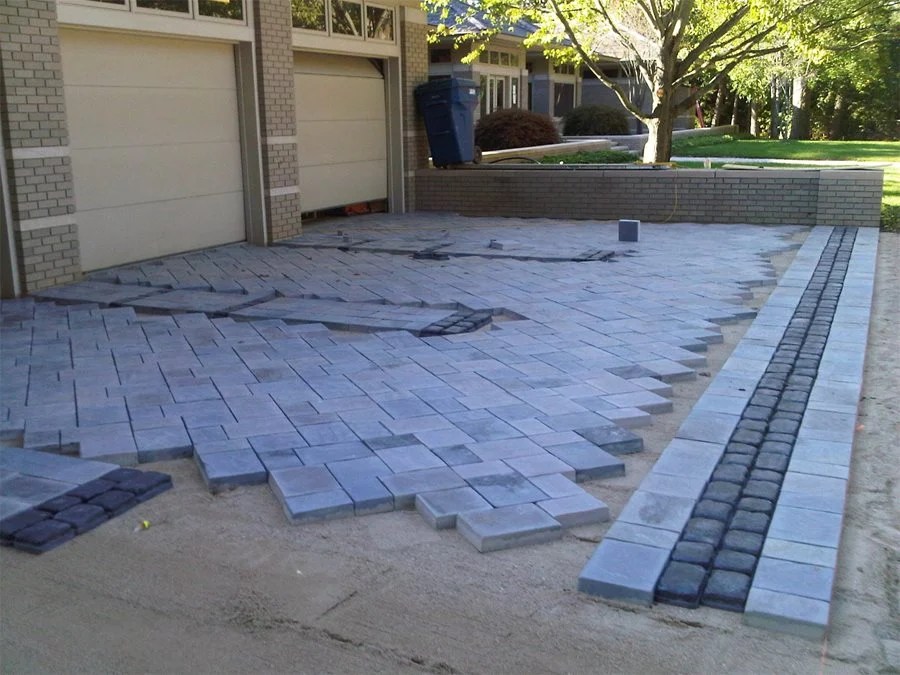
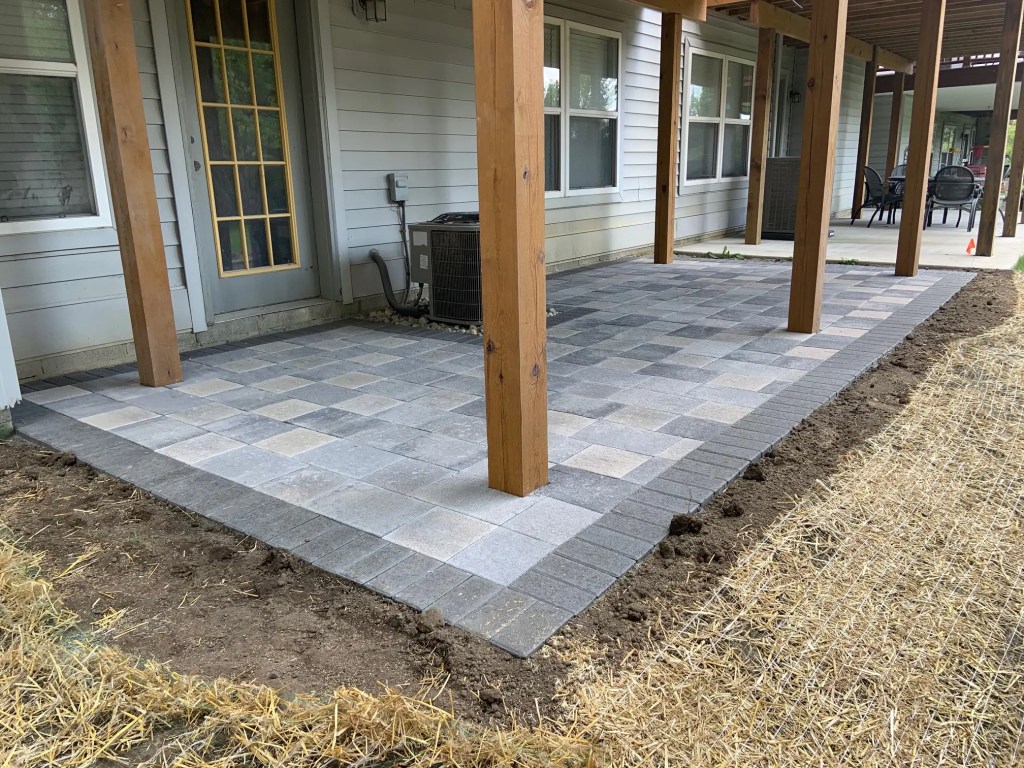
A well-prepared patio subsurface is crucial for long-term stability and drainage. Your patio subsurface is your patio’s foundation. With the proper foundation, you will ensure that your patio stays level. Preventing pavers from shifting. The result? You will have a durable, aesthetically pleasing patio. 

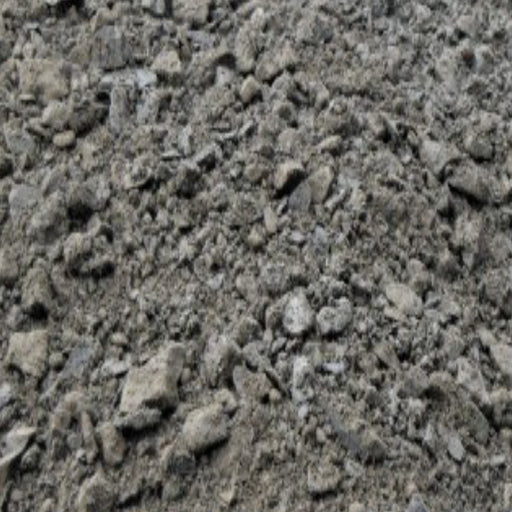
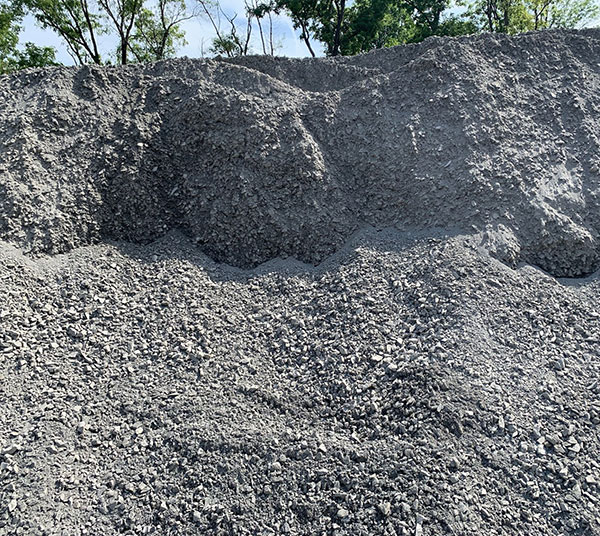
So what goes into a strong patio foundation? QP, DGA, 1” blend, crusher run.

Quarry process (“QP”), Dense Graded Aggregate (“DGA”), 1″ blend and crusher run. Four denominations used to identify an ingredient which is necessary in order to create the strong patio subbase you are looking for. An ingredient which is tantamount to the creation of the strong patio subbase you will want (and need) when you add that new paver patio to your outdoor living space. 

So, let’s talk a little bit about this important construction ingredient…

QP – DGA – 1” blend – crusher run is an aggregate which has been crushed and re-sized. Its altered composition? With QP – DGA – 1” blend, you have a collection of stones, 1” and smaller. With crusher run? Re-sized stones with a range in sizes which can be a tad larger than QP, DGA or 1” blend. With crusher run, you have an aggregate consisting of stones up to 1 1/2 inches in diameter…down to minuscule dust particles.


Your paver patio subbase will consist of a foundation which is made up of filtered, re-sized stones – up to either 1” or 1 1/2” in diameter, stone dust and gravel. Your patio subbase.


What are some of the benefits you will attain by using QP, DGA, 1” blend or crusher run when you construct your paver patio?

QP – DGA – 1” blend – crusher run are load bearing aggregates. By using a load bearing aggregate – coupled to adherence to the recommended level for your QP – DGA – 1” blend – crusher run subbase, your Cambridge, or Unilock or Techo-Bloc pavers will require a lower level of future maintenance. Translation? Fewer patio repairs. Less money spent on patio upkeep.

Furthermore, QP – DGA – 1” blend – crusher run is resistant to damage to your patio resulting from cold weather and frost. On top of this, using QP – DGA – 1” blend – crusher run as an ingredient for your patio’s subsurface will lessen concerns about erosion.

How does QP – DGA – 1” blend – crusher run work? This aggregate stabilizes your compacted base. In a nutshell, QP – DGA – 1” blend –crusher run establishes your optimal patio subgrade.

Stability, support and drainage…

QP – DGA – 1” blend – crusher run also creates an efficient drainage system. While preventing settlement. 

Sold by the ton, you’ll want to purchase at least one ton of QP – DGA – 1” blend – crusher run for every 30 square feet of paver patio that you intend to construct. 

For example…

If your hardscaping calls for building a 2,000 square foot patio – so as to accentuate the beauty within your backyard blueprint – you’ll want a delivery of 67 tons of QP – DGA – 1” blend – crusher run.

The ideal thickness of the QP – DGA – 1” blend – crusher run you will have beneath your new paver patio? Between four to six inches. 

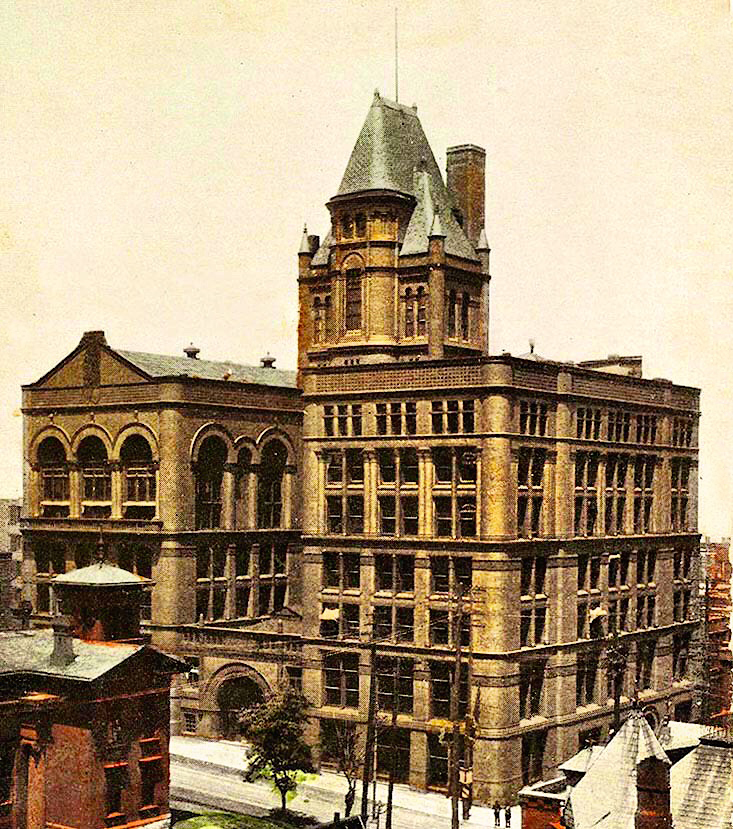
Kansas City Board of Trade


The price of wheat…

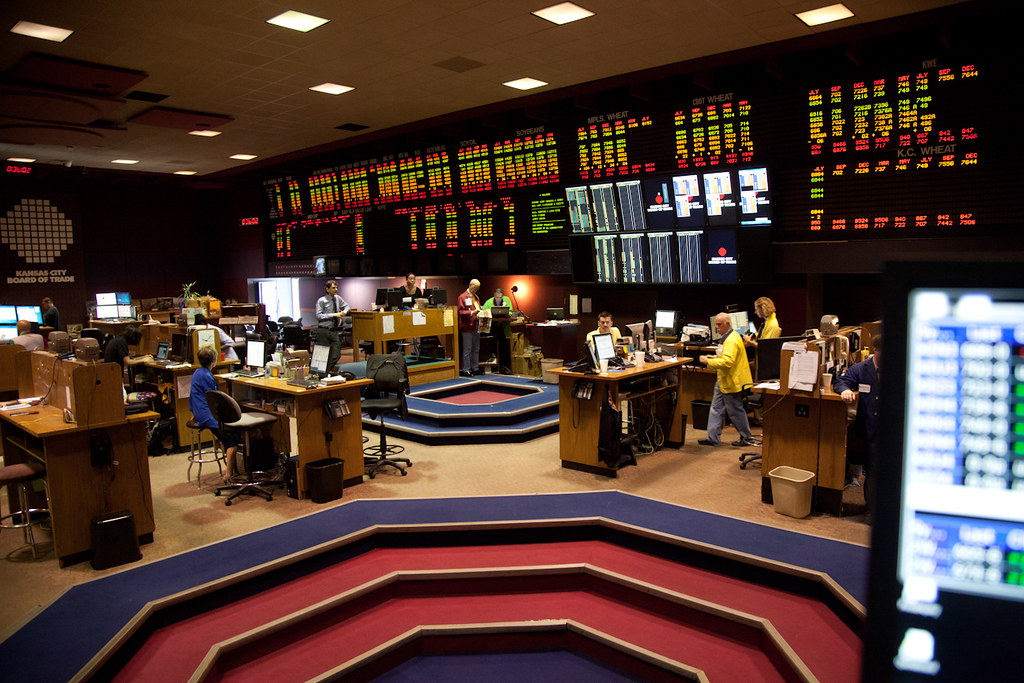
Beginning in the earliest years of the Twentieth Century, and carrying onward through 2013, from a trading pit in the heart of Kansas City, Missouri, the price of wheat, first, in the United States, then later, for countries the United States traded with, was influenced. Influenced by Kansas City traders. Traders who barked out “buy” and “sell” orders. Buy and sell orders correlated to futures contracts for Hard Red Winter Wheat.

Hard Red Winter Wheat futures contracts – the Kansas City Board of Trade.

Why was this exchange located Kansas City in the first place?

Soil and climate conditions in the Great Plains are perfect for growing wheat. So the trading operation for Hard Red Winter Wheat contracts was going to be based in the Midwest. 

Wheat requires specific conditions in order to grow. Ample sunlight. Well-drained soil. Sufficient water. One additional requirement needed – with Hard Red Winter Wheat – is, exposure to the cold. To each point, Kansas City’s neighboring state to the west is…ideal.

So…Kansas City?

In the late-19th Century, the, “Why Kansas City?” question had a lot to do with where the wheat the traders were trading was coming from – Kansas.


Known as the “Wheat State,” Kansas as a state -along with North Dakota – consistently leads the United States in wheat production. 

For example…

Last year, Kansas had 7,600,000 acres allocated to the planting of wheat. Coupled to 7,150,00 acres of harvested wheat. That was last year. And one of the things that I personally love most about my home state of Kansas is, Kansas just doesn’t radically swing, from whim to whim, all that much. Well, to be more precise, Kansas doesn’t really swing from whim to whim, at all. Which brings us to the question of, “Why Kansas City?” for the Hard Red Winter Wheat exchange.

While there were 7,150,000 harvested acres of Kansas wheat in 2024, 106 years prior – in 1918 – there were 7,250,000 harvested acres of wheat in Kansas. Pretty much the same acreage total. In 1918. And in 1924. 7,000,000 acres.

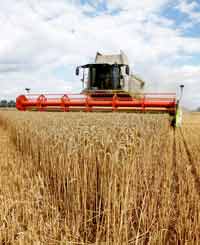
Step out of 1918 for a moment. And into 2024. While those small Kansas farm houses (and small Kansas farms) would no longer be. And while you will now see high-tech John Deere Combine Harvesters on those Kansas farms – complete with Wi-Fi…and a John Deere price tag, per Harvester, of between $700,000 and $1,000,000 – the “DNA” of the land from which Hard Red Winter Wheat had been harvested – and is still harvested today -pretty much, stayed the same. 

7,000,000 Kansas acres of harvested wheat in 1918. 7,000,000 Kansas acres of harvested wheat in 2024.


Logistically, an exchange for the trading of Hard Red Winter Wheat contracts -and, for that matter, for a board of trade – which was based in Kansas City, just made sense. Long, long ago. And today as well. Kansas City was (and is) the “big city” for Kansas farmers. Perfect for a Hard Red Winter Wheat exchange. 

The origin of the Kansas City Board of Trade traces back to its founding in the year 1856. Founded by a group of local merchants. Led by one Edward H. Allen.

Elected as the 10th mayor of Kansas City, Missouri, Edward H. Allen held the office in 1867 and 1868.

The idea for an exchange taking hold in Kansas City three years after Kansas City, Missouri itself was incorporated as a city. Which happened in 1853. 

The trading of Hard Red Winter Wheat contracts…

Just as the trading floor at the New York Stock Exchange in Manhattan is no longer a crowded hub of frantic traders, scurrying their trades about, those traders who once roamed the pit at the Kansas City Board of Trade – early in the Twentieth Century, and up through 2013 – have so too been replaced. By automation.

In 2012, the Kansas City Board of Trade was purchased by the CME Group – formerly, the Chicago Mercantile Exchange.


One year later, Kansas City’s trading floor – I.e.: the pit – was merged into the trading floor in Chicago. The trading of Hard Red Winter Wheat futures contracts on a Kansas City trading floor was no more. 


Two years later – in 2015 – CME’s trading floor itself was shut down. Replaced by automation. No pit in Kansas City. No pit in Chicago. The trading of Hard Red Winter Wheat futures contracts became… automated. 

While that old trading floor for Hard Red Winter Wheat in Kansas City – and those busy wheat traders in the pit – is no longer in operation, whenever you add cold cuts and mayonnaise to your sandwich, the price of the wheat – which makes up about 15% of the total cost of the bread you use to surround your cold cuts – is still set in Kansas City at the Kansas City Board of Trade.

In 2025, the Kansas City Board of Trade continues to function as the primary trading platform for Hard Red Winter Wheat futures contracts. Hard Red Winter Wheat futures contracts are a determinant in the price of wheat. Then too, in the price that we ultimately pay a loaf of bread.

Interestingly, the Kansas City Board of Trade had been Kansas City’s original chamber of commerce. So, the origin for the trading of Hard Red Winter Wheat contracts in Kansas City started off as – and in – a chamber of commerce. At 8th and Wyandotte. In Kansas City, Missouri. 

Local growers of Hard Red Winter Wheat. Local traders of Hard Red Winter Wheat. Local buyers of Hard Red Winter Wheat. 

While the local growers of Hard Red Winter wheat are still there – Kansas produces over 300 million bushels of wheat each year…equating to roughly 20% of total wheat production in the United States…there is not much else which is entirely “local” when it comes to the Kansas City Board of Trade. And Hard Red Winter Wheat. 

While 300 million bushels of Hard Red Winter Wheat is produced by 15,000 Kansas farmers each year. While the price of Hard Red Winter Wheat is set in Kansas City at the Kansas City Board of Trade. When it comes to the Kansas City Board of Trade – and Hard Red Winter Wheat – today, it would be wise to substitute the word “global” for “local.”


Local buyers of wheat? Kansas is an exporter. Each year, Kansas exports just about half of the 300 million bushels of Hard Red Winter Wheat harvested in the “Wheat State.”

As the world’s largest contiguous producer of winter wheat – that’s Kansas – having the price of Hard Red Winter Wheat still set in Kansas City is itself, poetic justice.

And establishing the exchange for the trading of wheat contracts in Kansas City – in the late stages of the 19th Century – turned out to be, rather fortuitous…

7,000,0000 acres of harvested wheat in Kansas in 1918. The price of Hard Red Winter Wheat set in Kansas City in 1918.

7,000,000 acres of harvested wheat in Kansas in 2024. The price of Hard Red Winter Wheat set in Kansas City in 2024.

Other than those $1,000,000 John Deere Combine Harvesters that you’ll see on Kansas farms in 2025 – coupled to the fact that Kansas, while a local grower, is really an international exporter – much, does look, feel and operate the same.

Acreage. Crop. Exchange. 1918. 2024. When in comes to American wheat, the more things change the more things stay the same – Kansas City.

The price of wheat in 1918…

The price of wheat in 2025…

The Kansas City Board of Trade.

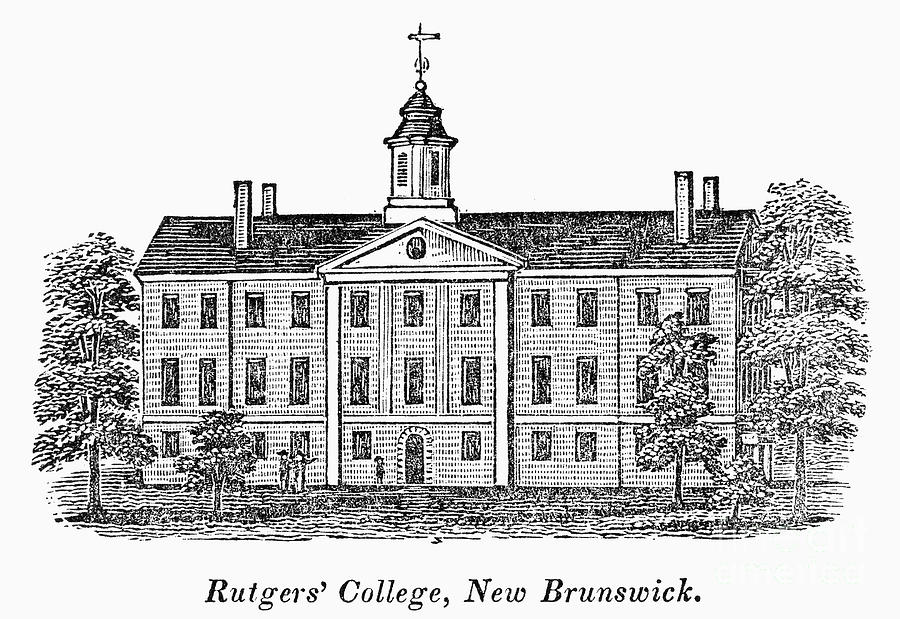
…how Rutgers University came to be.


Rutgers, The State University of New Jersey was founded – originally as a seminary – in 1766.

Founded by William Franklin. William Franklin, son of Benjamin Franklin.

Although, upon its founding, this college, located in New Brunswick along the Raritan River, was not known as Rutgers.

The name Rutgers was affixed to the New Brunswick college 59 years after its founding. In 1825. “Rutgers,” selected to honor Revolutionary War veteran Colonel Henry Rugers. Between the year of its founding – in 1766 – and the year Rutgers was selected as the college’s name, in the honor of Henry Rutgers – in 1825 – Rutgers had been Queens College. Then, for the next one hundred years, it was Rutgers College.


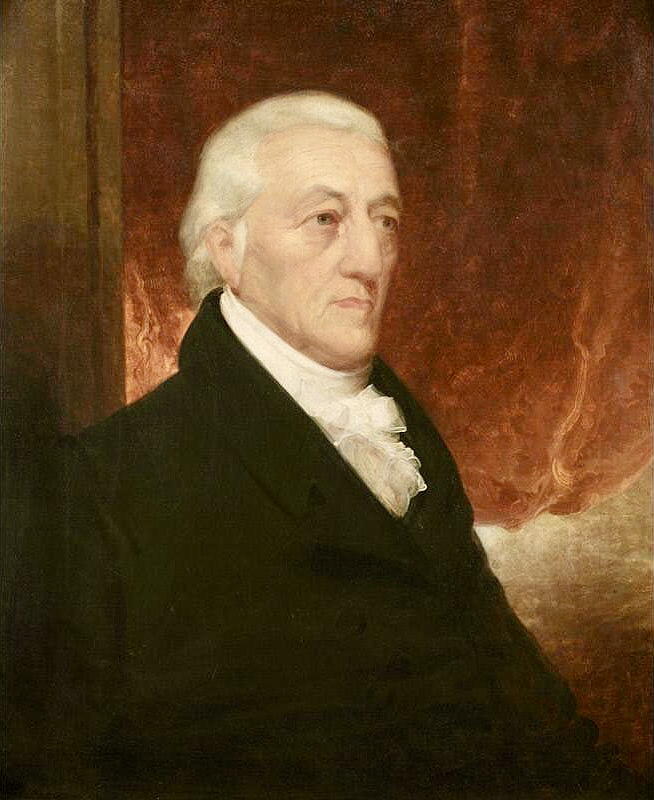
Henry Rutgers…

Born in New York City in 1745 – and in 1745, that would have been, the Province of New York, British America, as New York was still under British rule when Henry Rutgers was born – Henry Rutgers served as a New York state assemblyman. He was a graduate of Columbia University (then, King’s College),

A prominent New York landowner, Henry Rutgers donated much of his land to local New York City schools, charities, and churches. In Manhattan, if you have ever driven down Henry Street or Rutgers Street, those streets were named after Henry Rutgers.

Rutgers College – then Queens College – adopted Henry Rutgers’ name upon receiving a much needed financial infusion from Henry Rutgers.

Through Henry Rutgers’ generosity, prospects for the then-struggling Queens College to continue on as an institution of higher learning, brightened.

At the time of Henry Rutgers’ financial contribution, Queens College had incurred a multi-year shutdown. Its finances, and its future, cast astray as a byproduct of the challenging economic times the United States went through upon the conclusion of the War of 1812.

The University of Newark joined the Rutgers family in 1946. As Rutgers University-Newark.

The College of South Jersey joined the Rutgers family in 1950. As Rutgers University- Camden.

Rutgers is the second oldest university in New Jersey. Founded 20 years prior to Queens College’s founding, Princeton – which had been the College of New Jersey from 1746 until 1896 – is the oldest New Jersey university.

Rutgers’ Board of Trustees consists of 41 voting members. Rutgers’ Border of Trustees functions in an advisory capacity to Rutgers’ Board of Governors.

Rutgers’ Board of Governors consists of 15 voting members. Rutgers’ president is a non voting Board member.

Three of the 15 members of Rutgers’ Board of Governors are voting members, selected by the Rutgers University Senate. Three representatives – selected by the University Senate – are non voting representatives.

Eight members of Rutgers’ Board of Governors are appointed by the New Jersey governor. Seven members are selected by the Board of Trustees. For the 8 members appointed by the New Jersey Governor, confirmation for each member by the New Jersey Senate is required.

The president of Rutgers is a nonvoting Board of Trustees member. Rutgers’ University Senate selects two members of the faculty – as well as two students – as non voting representatives.

The selection of the 41 voting members of the Board of Trustees is done in accordance with State law.

There are 20 charter members. Three of the 20 charter members must be women.

Sixteen Trustees are Rutgers alumni, each of whom is nominated for Board membership by the Nominating Committee of the Board of Trustees.

Five Trustees are public members, appointed by the governor. The five public members who are appointed by the governor require confirmation by the New Jersey State Senate.

The president of Rutgers is selected by the university’s Board of Governors. The Board of Governors oversees the process of identifying the president, while overseeing the Presidential Search Committee.

Rutgers’ Presidential Search Committee develops a profile of prospective candidates…submitting recommendations of potential university presidents to Rutgers’ Board of Governors.

Rutgers’ Board of Governors, upon receiving recommendations and feedback from the Presidential Search Committee, ultimately selects the university president.

On two separate occasions – resulting from acts taken by the New Jersey Legislature – Rutgers was designated as the official state university of New Jersey. New Jersey’s legislature granted Rutgers this distinction in 1945. And once again, in 1956.

New Brunswick is a city in Middlesex County, New Jersey, United States

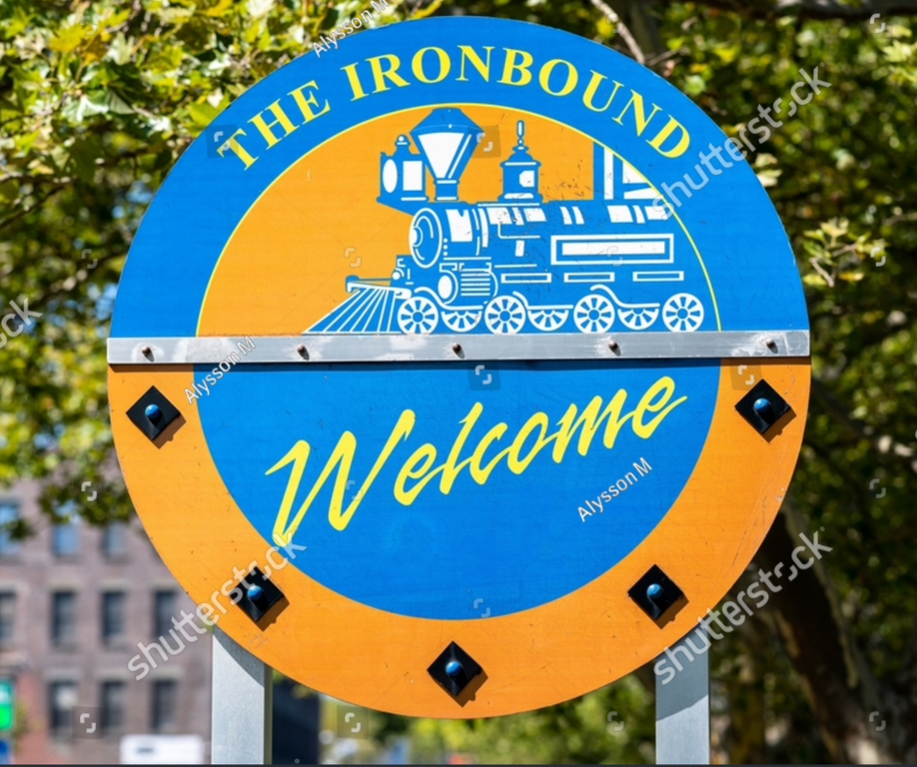
The Ironbound


The story behind the iconic name linked to one four square mile section within Newark’s East Ward just east of Penn Station is somewhat argumentative.

While it is somewhat subjective how this Newark neighborhood became The Ironbound, no argument can be made that the origin for this name we are referring to – The Ironbound – came about as a result of what was going on in this Newark neighborhood in the early part of the 19th Century. 

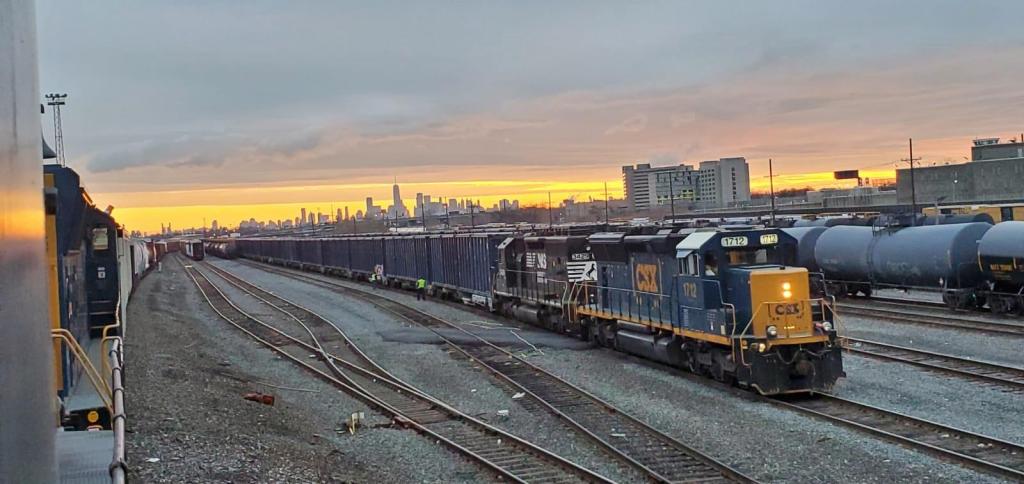
Newark was emerging as one of the preeminent United States manufacturing centers. Trains. Lots of trains. Freight trains. Lots of freight trains. Train tracks. Lots of train tracks. And within that network of Newark train tracks is where we find our origin for “The Ironbound” name.


Newark was transitioning away from being an agricultural economy. To its new identity. As an economy built around heavy industry. Freight trains played a major role in the success of Newark’s economic transition. 

By the 1830’s, rail had become the most efficient way to transport the finished manufactured goods which were being made in Newark to outside markets. Where they could then be sold.  

During the first half of the 19th century – with this advent of rail – what once had been a section of the city, strewn with swamps and farms, was going through a seismic change. It was becoming a neighborhood dominated by heavy industry. The Ironbound. Surrounded by trains tracks. Train tracks everywhere. Hence, the origin for our name, “The Ironbound.” Train tracks. Lots and lots of train tracks. In this four square mile Newark neighborhood. The Ironbound.

There is an alternative point-of-beginning for the name “The Ironbound.” One attributed not to this network of train tracks in Newark’s East Ward. But rather, to the preeminence of metalworking, forges and foundries found in The Ironbound in the mid-19th Century.

A portion of the reasoning for linking the origin of The Ironbound name to 19th Century metalworking – rather than (primarily) to rail – could be found in knowing that train tracks are made of steel. Not iron. But, a caveat…

It was in the mid-19th Century – after The Ironbound already began to transition from farming to heavy industry – that, for the very first time, steel rails could even be thought of as being used as a possible replacement for the iron rails which were always used (up until that time) to lay tracks. 


The first steel rails – ever used – were laid in Britain. In 1857. 1857…twenty-one years after Newark Broad Street Station opened. As Newark’s first freight station. 

So, when those 19th Century trains roared into – and out of – The Ironbound, those 19th Century tracks the trains rode on were made of iron. Not steel. Hence, The Ironbound.

For those who believe the origin for The Ironbound name is based upon foundries…Seth Boyden.

Seth Boyden opened the first malleable iron foundry in the United States which was capable of producing the buckles and the harnesses which, when used together, then made up the two primary ingredients for the carriage industry. Boyden’s Newark’s foundry was the Malleable Cast Iron Foundry and Condit. The Malleable Foundry and Condit was established in The Ironbound. On Orange Street.

Balbach and Sons Refining and Smelting Company – once the second largest metal processing enterprise in the United States – was located where one now finds Riverbank Park in The Ironbound. 

The Oscar Barnet Foundry was located on McWhorter Street in The Ironbound. 

Foundries, metalworking and forges. Yet morseso than the foundries which once flourished in The Ironbound, The Ironbound name is most visibly seen today when you drive by 91 Bay Avenue – Oak Island Yard.


Opened in 1903, just about one thousand train cars travel through Oak Island Yard in The Ironbound…to this day.

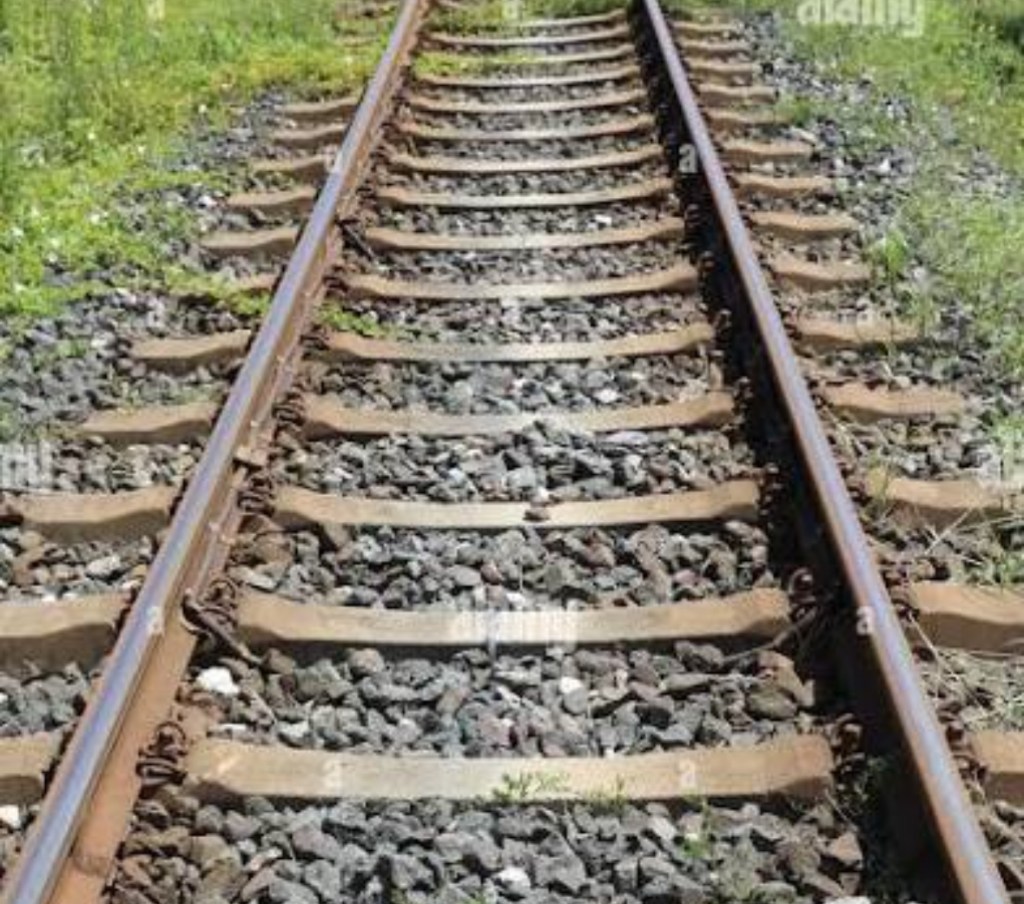
The Ironbound name? It was those train tracks in The Ironbound. Those iron train tracks.