A Request For Proposals is a tool used by municipalities whereby the merits of prospective bidders – I.e.: service providers with whom the municipality may choose to contract – are presented to the municipality.
The Request For Proposals is essentially a procurement document. It’s a, “Here is what we need… call-out. Pertaining to the municipality’s interest in vetting qualifications, skill sets and capabilities prospective respondents possess. Qualifications, skill sets and capabilities the municipality has deemed to be value-adding for the municipality at the time of the issuance of the Request For Proposals.
These are benefits the municipality has determined to be most effectively provided to the municipality through an outside vendor. Or, through outside vendors.
Municipalities enter into land bank agreements with redevelopment entities. In doing so, municipalities designate redevelopment entities as land bank entities.
Procedures are written into land bank agreements which clarify how land bank entities acquire properties on behalf of municipalities.
Why land banks?
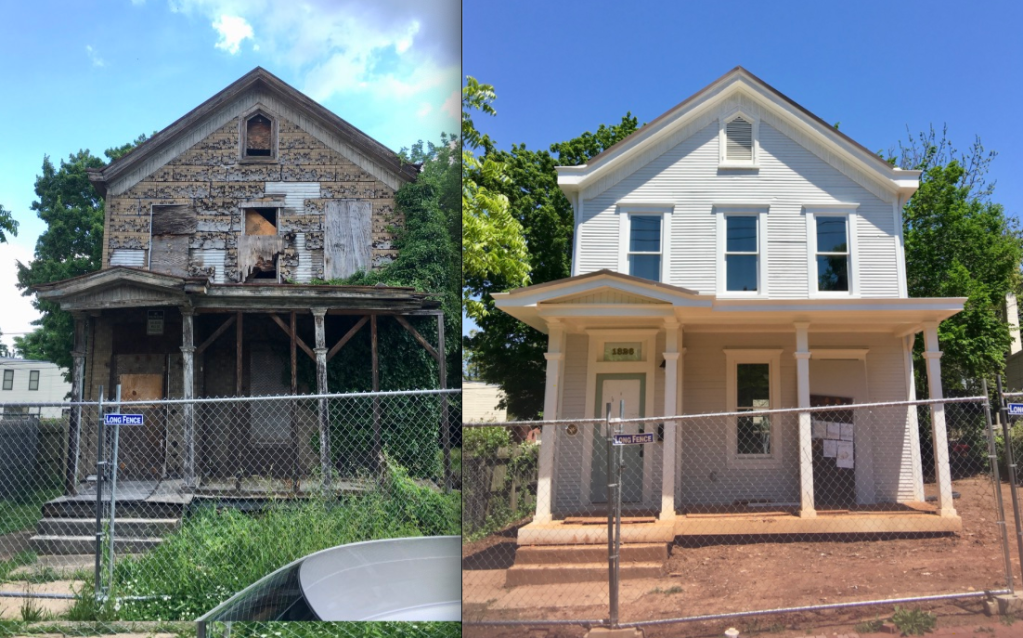
Land bank properties are not bring absorbed by the market. There are reasons for this. Such as…
Years of back taxes owed. Clouded titles. Rehab budgets which exceed appraisal values. Limited “comps.” Are owner-occupying buyers able to secure renovation loans?
The market isn’t absorbing land bank properties. We have an inventory challenge. We have a housing affordability challenge.
Why not become proficient in land bank properties?
Markets do not optimally function when interest rates are too low. Markets do not optimally function when interest rates are too high. The housing market – as well as the home loan market – would be two markets where this point can be most easily seen.
Artificially-low interest rates create an overly-accommodative economy. The consequences for which we see in today’s stubbornly non-ignited housing market. Mortgage rates are not high today. They’re just a lot high-er than they were during the Pandemic. But mortgage rates today are certainly not anywhere near what we should classify as, high.
The ’70s’ would be one example we could use to illustrate how markets malfunction when interest rates are, first, too low, then, later, increased. Increased too much. Too fast.
There were points in time during the 1970’s where the country was actually in a negative interest rate environment. Bank deposits were yielding “storage charges,” so you speak. As opposed to throwing off interest income.
The low-rate environment in the 1970’s came about in many ways because the stock market was in shambles. The result of that market unease of the ‘70’s? The Fed enacted an easy money policy. The idea at the time being, to attain full employment. Overly-accommodative. This was a flawed approach. Which became highly inflationary.
Enter price controls? Yep. Did you ever make one mistake, then double-down, only make to make your second mistake? In succession? An easy money policy followed by price controls? That ill-advised combination did not work out so well.
So by the late ’70’s, with the country in the midst of rampant inflation, the Fed began to ratchet up interest rates. To temper the inflation. The origin of this inflation which was now being battled was of course triggered by the overly-accommodative fiscal policy of the Fed years before. The result of moving from an accommodative fiscal policy to a restrictive fiscal policy by way of rising interest rates? The economy went into recession.
Let’s look at another recent timeframe…
In the early-2000’s, interest rates were lowered. Interest rates became accommodative. At that time, lower interest rates were married to accommodative home loan underwriting policies. The result? Skyrocketing home values. An increase in home loan defaults. The Financial Crisis.
Overly-accommodative policy = a rough landing.
Overly-restrictive policy = a rough landing.
Overly-accommodative policy followed by overly-restrictive policy = a rough landing.
During the Pandemic, the federal funds rate was lowered to a range of 0% to 0.25%. Mortgage rates dropped. Home prices went up.
Fast forward to 2025…
Today, more than 75% of homeowners are nestled cozily in with a sub-5% mortgage rate. Around 55% of homeowners are nestled cozily in with a sub-4% mortgage rate. This “lock-in effect” we have in housing in 2025 is one byproduct of the low-rate policy the Fed enacted during the Pandemic.
Last year 25 out of every 1,000 homes found their way to new buyers. That was the lowest turnover rate we saw in housing in 30 years.
Accommodative policy – I.e.: low interest rates – do not only lead to future restrictive policy by way of elevated interest rates. Accommodative policy leads to the market restricting itself. Which is exactly where we are right now.
For example…
Why sell your home when the interest rate you have on your mortgage is 4% or less? Especially when you know you’d have to go out and buy another home in the midst of a restrictive cycle – at an elevated price, no less – with a mortgage rate which would be between 6% and 7%?
As a city, Kansas City has become the national leader for soccer development in the United States. So it seems rather fitting that the Soccer Capital of America – Kansas City – is also the city to which one of the forefathers in the formation of American soccer is forever linked…Lamar Hunt.
Inducted into the National Soccer Hall of Fame in 1982, Lamar Hunt was an early investor in the North American Soccer League. I.e.: the NASL. When the NASL incurred financial challenges in the early ‘80’s – shrinking from 17 teams to 5 teams – the Kansas City Chiefs patriarch remained committed to the future of the NASL. And to the future of soccer in the United States.
A then-NASL franchise owner himself, Lamar Hunt’s team was the Dallas Tornado. Hunt’s ownership of the Tornado goes back to the team’s inception in 1967. Hunt owned the Dallas Tornado until the team ultimately folded in 1981. Hunt’s Dallas Tornado won the NASL championship in 1971…one year after Hunt’s Kansas City Chiefs won Super Bowl IV.
Lamar Hunt’s Dallas Tornado started out as a team in the United Soccer Association. The United Soccer Association merged with the National Professional Soccer League…creating the NASL.
While the Hunt name is known, mostly, as a result of the family’s ownership of the NFL team that has won the Lamar Hunt trophy 5 out of the past 6 years as AFC Champions – the Kansas City Chiefs – early on, the NFL was no fan of Hunt’s commitment to soccer. In fact, the NFL took steps which were designed to disallow an NFL team owner – I.e.: Lamar Hunt – from owning a professional sports team in more than one sport. This was an NFL-led effort to force the Hunt family to divest from their interests in soccer. The NFL’s football-only rule ultimately failed. The Hunt family stayed in soccer.
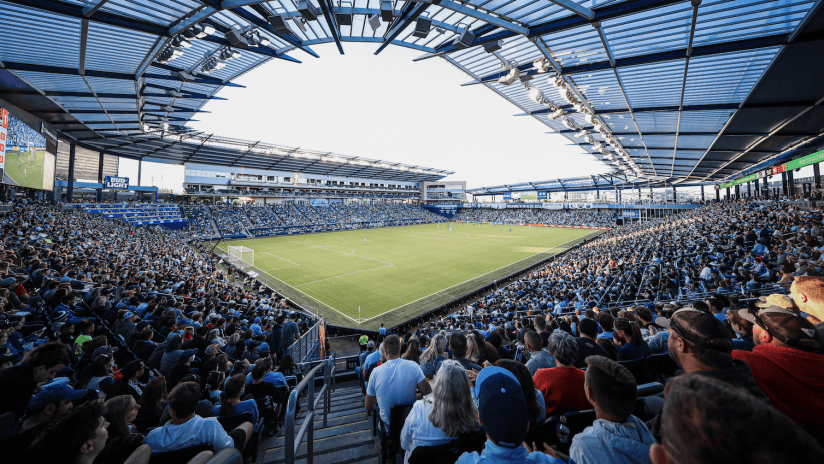
In 1996, Kansas City Chiefs Chairman Clark Hunt, together with his father, Lamar Hunt, acquired two MLS teams – the Columbus Crew and the Kansas City Wizards (now Sporting KC).
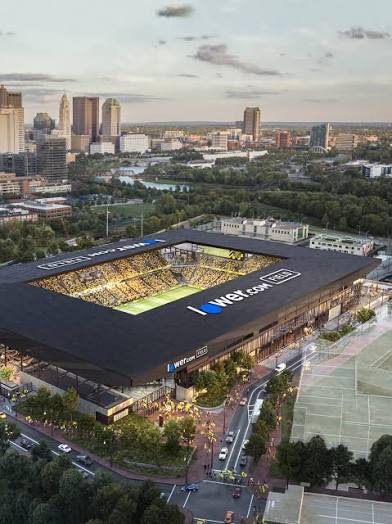
Three years later, Lamar Hunt financed the construction of what was at that time the largest soccer-only stadium in the United States in Columbus, Ohio – Columbus Crew Stadium.
In 2003, Lamar Hunt purchased his third MLS team, the then-Dallas Burn (now FC Dallas). Hunt’s acquisition of the Dallas Burn was anchored through his commitment to finance a soccer-only stadium in Dallas as well…for the Burn. Lamar Hunt always believed that sound economics for professional soccer in North America had to be anchored by stadium ownership.
Today, the Dallas Burn are owned by Hunt Sports Group.
The Hunt family sold the Kansas City Wiz in 2006. The Kansas City Wiz went on to win the MLS Cup that same year. In 2006.
Like America’s earlier professional soccer league – the NASL – the MLS ran into their fair share of financial difficulties.
In the early 2000’s, there were only three MLS team owners who remained committed to funding ongoing MLS operations. At that time, the MLS was hemorrhaging cash – losing $250 million since its inaugural 1996 season. One of those three MLS owners, was Lamar Hunt.
Lamar Hunt’s commitment to soccer-only stadiums contributed to the financial turnaround for American soccer. And for the MLS.
Further linking the Hunt family to American soccer, U.S. soccer’s longest standing knockout competition – the U.S. Open Cup – was renamed the Lamar Hunt U.S. Open Cup by the United States Soccer Federation in 1999…that renaming, having been undertaken by the United States Soccer Federation to honor Lamar Hunt’s contributions to American futbol. While also recognizing Lamar Hunt’s contributions to two American professional soccer leagues…first, the NASL, then later, the MLS.
The Hunt family’s FC Dallas won the Lamar Hunt U.S. Open Cup two times. In 1997 and 2016.
Under the Hunt family’s leadership, Sporting KC also won the Lamar Hunt U.S. Open Cup two times. In 2004 and 2012.
Lamar Hunt’s Kansas City Wizards won the MLS Cup in 2000.
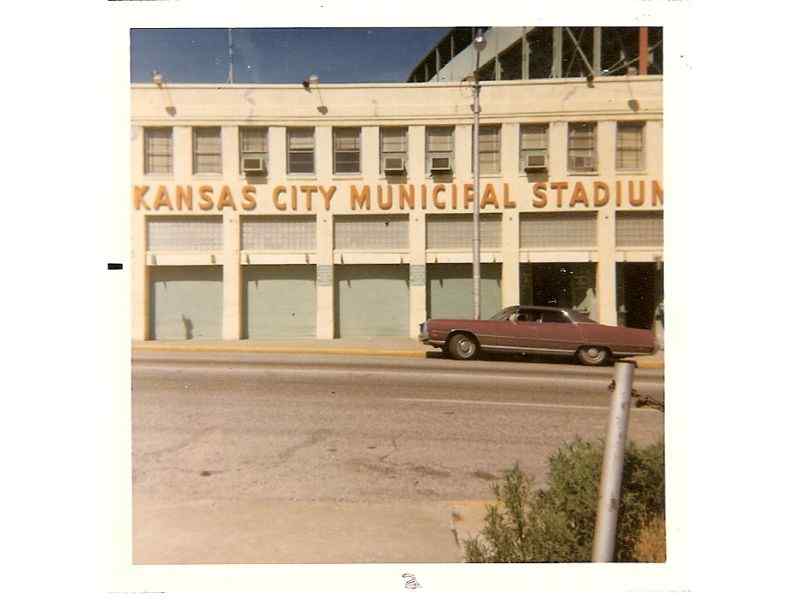
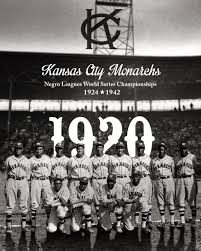
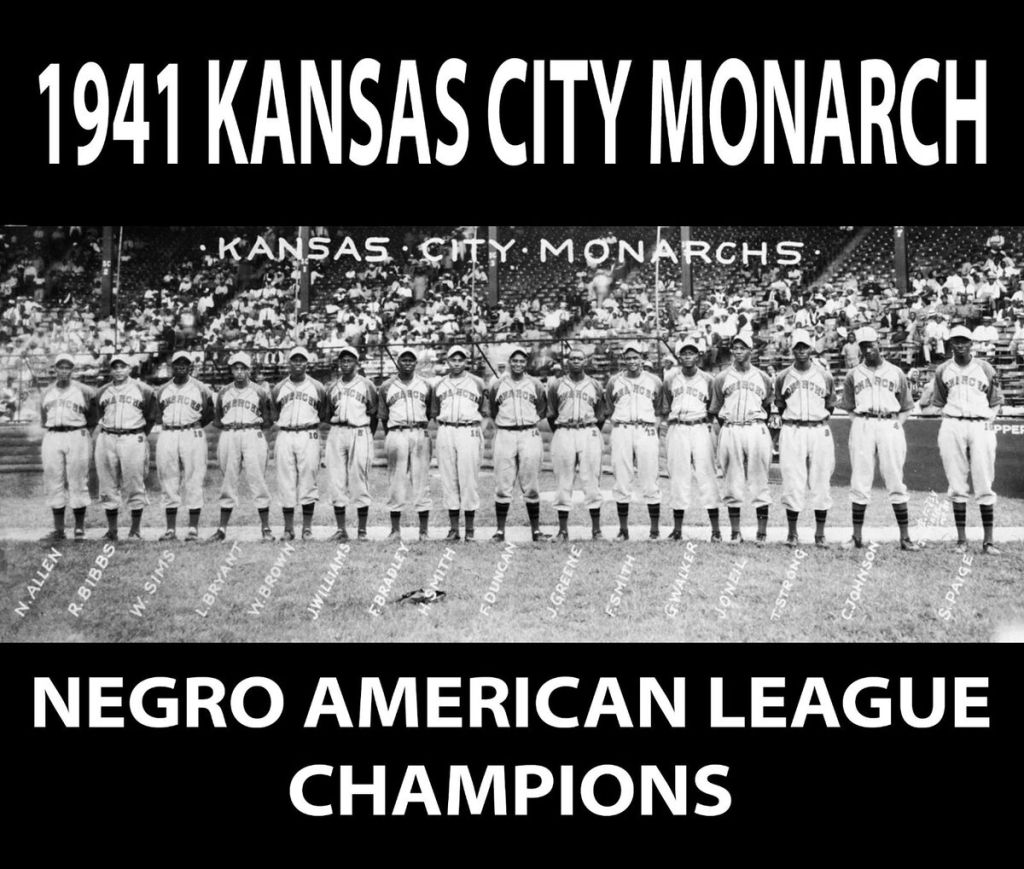
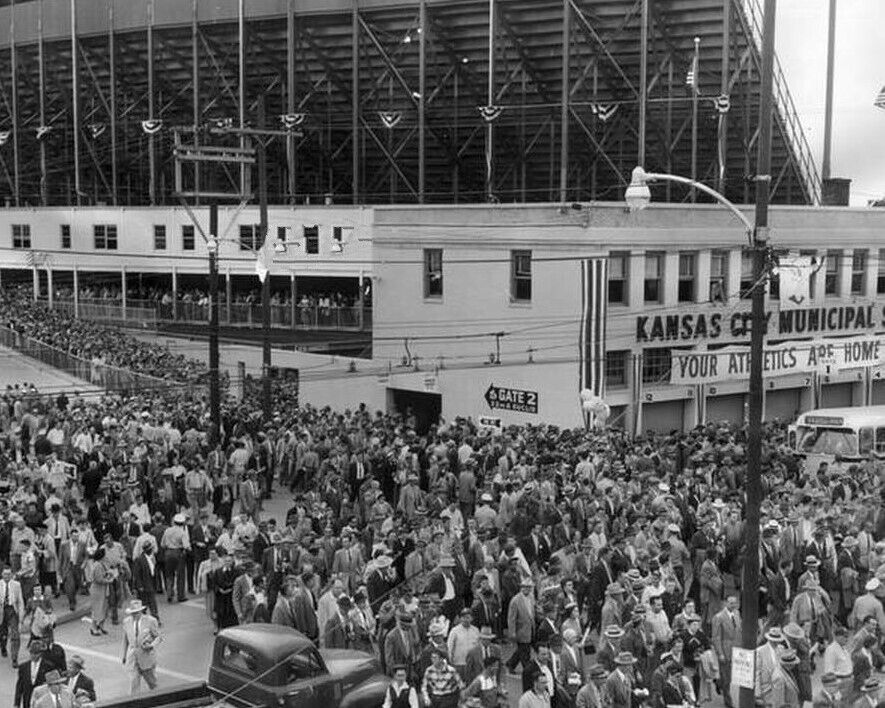
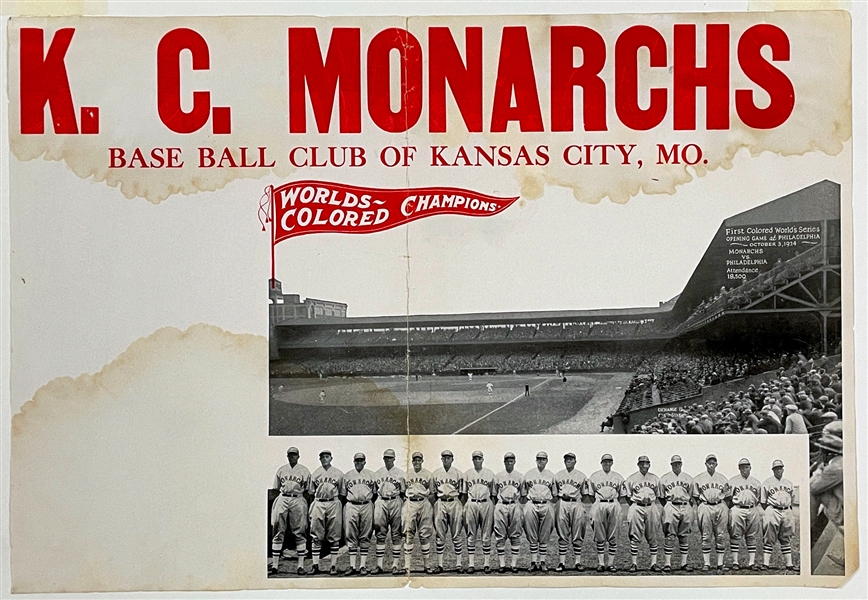
Between 1923 and 1955 the Kansas City Monarchs called Kansas City – and Kansas City Municipal Stadium – “home.”
The Kansas City Monarchs won twelve league championships before major league baseball was racially integrated. The Monarchs appeared in four Negro League World Series, winning it all in 1924. And again in 1942.
The Kansas City Monarchs produced more Major League Baseball players than any other Negro League franchise. Some of whom went on to become household names.
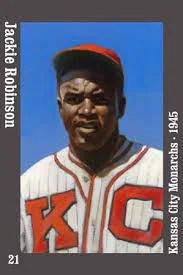
Jackie Robinson played for the Kansas City Monarchs in 1945. Jackie Robinson was later signed by the Dodgers…breaking the color barrier in Major League Baseball in 1947.
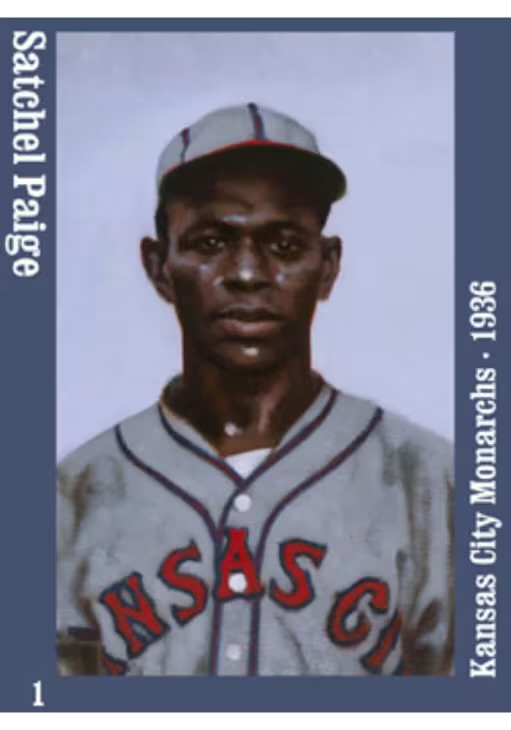
Satchel Paige and Ernie Banks played in Kansas City too. For the Kansas City Monarchs.
There are thirteen one-time Kansas City Monarchs in the Major League Baseball Hall of Fame. There are four Kansas City Monarchs in the Hall of Fame whose Hall of Fame plaques depict the players sporting Kansas City Monarchs uniforms. The four Monarchs in the Hall of Fame, wearing the Monarchs uniform? Willard Brown, Satchel Paige, J.L. Wilkinson and Hilton Smith.
The first Negro League World Series game ever played was played in Kansas City. At Kansas City Municipal Stadium. The year was 1924.
The Negro League Baseball Museum is located a few blocks from where Kansas City Municipal Stadium once stood. In Kansas City’s historic 18th and Vine District.
Jackie Robinson started out in Kansas City. Jackie Robinson’s first contract as a Kansas City Monarch paid him $400/month.
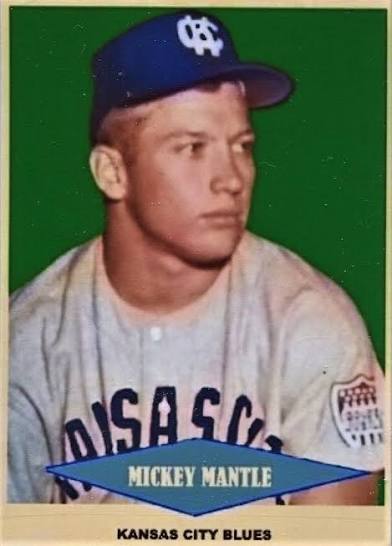
Kansas City’s one-time minor league baseball team – the Kansas City Blues – were the original Municipal Stadium tenants.
The Kansas City Blues have made some notable contributions to Major League Baseball. And to the winningest team in all of sports…the New York Yankees.
Mickey Mantle once played in Kansas City. For the Kansas City Blues. Whitey Ford, Elston Howard, Yogi Berra and Phil Rizzuto all played for the Kansas City Blues as well.
Between 1955 and 1967, the now-Oakland Athletics were then the Kansas City Athletics. The Kansas City Athletics played their home games at Kansas City Municipal Stadium.
Some famous Oakland A’s – then later, famous New York Yankees – got their starts in Kansas City. As Kansas City Athletics. Those famous Kansas City A’s-turned-Yankees? Reggie Jackson and Catfish Hunter.
Reggie Jackson played his rookie year in Kansas City for the Kansas City Athletics in 1967. Reggie Jackson batted .178 his rookie year in Kansas City. Reggie hit one home run as a Kansas City Athletic that year.
Catfish Hunter played in Kansas City for the Kansas City Athletics from 1965 until 1967.
In 1978, in the playoffs, while playing for the Yankees and against Kansas City, Reggie batted .462, He hit twice as many home runs in the 1978 playoffs against Kansas City as he hit as a rookie in Kansas City. As a Kansas City Athletic. Reggie hit two home runs against Kansas City in the 1978 playoffs.
In 1955, the Kansas City Athletics drew nearly 1.4 million fans to their home games at Municipal Stadium. That year, the Kansas City Athletics had the third best home attendance in baseball.
The New York Yankees had the best attendance in baseball in 1955. On the roster of the 1955 New York Yankees…we find the connection to Kansas City.
Elston Howard. Yogi Berra. Phil Rizzuto. Billy Martin. And Mickey Mantle. All players on the pennant-winning 1955 New York Yankees. Each tracing the beginning of their careers to Kansas City. And to Kansas City Municipal Stadium.
Elston Howard was a Kansas City Monarch in 1948. While in Kansas City, Howard, the first African American to make it onto a Yankees roster, played for Buck O’Neil, the first African American coach in Major League Baseball history.
Yogi Berra played for the Kansas City Blues in 1944 and 1945.
Whitey Ford played for the Kansas City Blues in 1950.
Phil Rizzuto played for the Kansas City Monarchs in 1931, and from 1933 to 1939.
Billy Martin played in Kansas City. Not for the Blues. Not for the Monarchs. Billy Martin played in Kansas City for the Kansas City Athletics. In 1957.
Mickey Mantle played for the Kansas City Blues. In 1952.
The Yankees lost the 1955 World Series to the Brooklyn Dodgers. The Dodgers beat the Yankees in the 1955 World Series in seven games.
On the Series-winning 1955 Dodgers we’d find another all-time great whose career began in Kansas City, playing in Kansas City Municipal Stadium. That Dodger great? Jackie Robinson.
You’ve thought about building your own home. You can. A construction loan can make it happen.
There are different types of construction loans. So let’s look at two of these loan types: a) the one-time close construction loan, and b) the two-time close construction loan.
With the OTC, you qualify one time for two loans.
The 1st qualification is for your construction loan. The 2nd qualification is for your permanent loan.
And then there is the two-time close (“TTC”) construction loan.
The TTC is a riskier loan than the one-time close. Due to the fact that with the two-time close, you will need to qualify based upon your credit and your income a second time- after your home is built.
With the TTC, any reduction in your income or a drop in your FICO Score – while your home is being built – could make it more difficult to qualify for your permanent loan.
Another potential risk to consider with the two-time close is, What if the construction phase doesn’t go well? What if construction is not completed?What if it’s delayed?
In either situation – a) a drop in your credit score or a reduction in your income, or b) challenges with construction, with the TTC, qualifying for your permanent loan could be put at risk.
Key points…
The one-time close construction loan: one loan approval
The two-time close construction loan: two loan approvals
Kansas City’s auto industry employs over 25,000 workers in the automotive and transportation sectors. In 2025, Kansas City is a major automotive manufacturing hub. The history of Kansas City’s position as a major automotive manufacturing center goes all the way back to the early part of the 20th Century. And to Henry Ford.
Henry Ford – just as he did in Detroit – was the one automotive entrepreneur who really lit the match for Kansas City’s emergence – and for Kansas City’s growth – as a global leader in automotive manufacturing
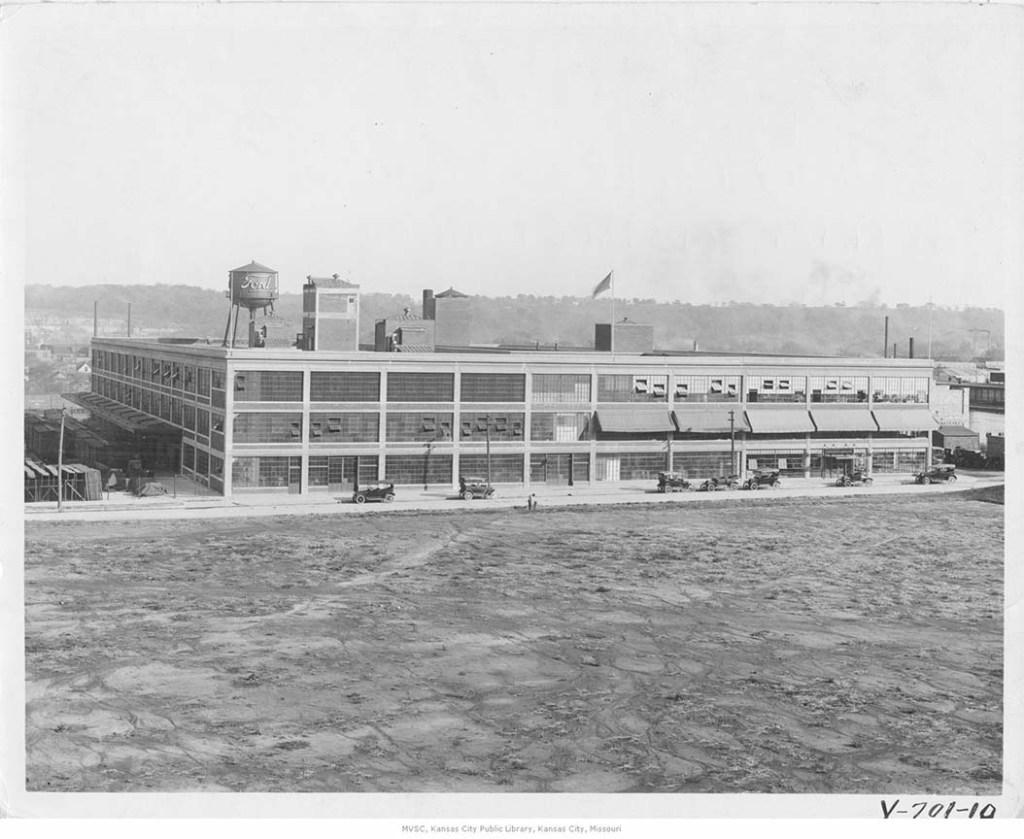
Under the direction of Henry Ford, the very first automotive assembly plant built by Ford Motor Company outside of Detroit was built in Kansas City. Henry Ford built Ford’s first non-Detroit automotive manufacturing plant in 1913. Ford’s Kansas City plant was located at 10th and Winchester in Kansas City, Missouri.
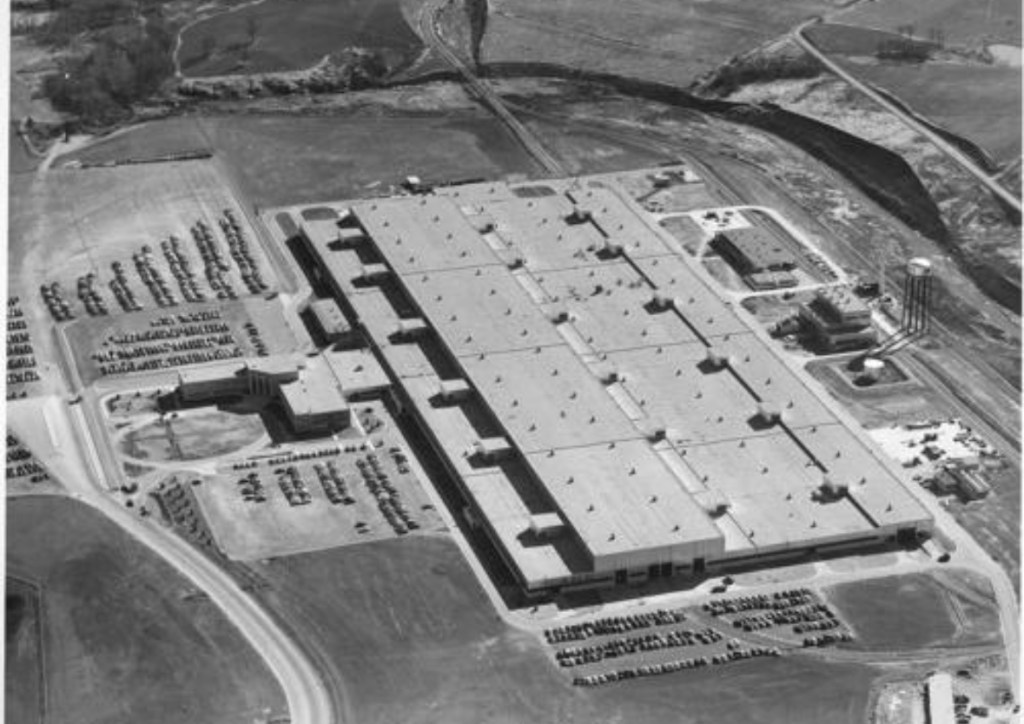
In 1951, Ford relocated his company’s Kansas City manufacturing to what once had been a military production plant. Ford relocated the company’s Kansas City manufacturing outside of Kansas City proper. To Claycomo, Missouri.
When Ford expanded, Claycomo, Missouri – Claycomo is part of the Kansas City Metro Area – was home to an old military plant. The plant was eyed by Henry Ford…perfectly suitable for his Kansas City expansion plans.
Henry Ford acquired – then reconfigured – that old military production plant in Claycomo. Transforming his Claycomo acquisition into a mass-production automobile assembly plant for Ford by 1956.
Ford’s KC Claycomo plant – known as KCAP (Kansas City Assembly Plant) – employs nearly 10,000 KC area auto workers. The plant sprawls over 1,200 acres in Claycomo, Missouri.
Ford F-Series pickup trucks are built in Claycomo. Since 1948, Kansas City has produced over 40 million F-Series Ford pickups.
Ford – as a company – and Ford’s Kansas City Assembly Plant Ford – as an automotive assembly plant – were by no means the only automobile manufacturer – and the only automobile assembly plant – to grow the automotive manufacturing base in Kansas City early in the 20th Century.
Between the year 1910 – as 1910 is 3 years prior to the establishment of Ford’s Kansas City plant – and 1914, Smith Automobile Company manufactured over 300 cars in Kansas City.
There were other automobile manufactures in Kansas City early on in the 20th Century as well. Stanford Motor Car Company. Midwest Motor Company. Beggs Motor Company. Severin Motor Company. To name just a few.
Beginning in 1905 – again, pre-Ford – and running through 1909, the Kansas City Motor Car Company manufactured automobiles in the old Northeast neighborhood in Kansas City, Missouri.
And we have General Motors in Kansas City as well…
General Motors adopted Kansas City several decades after Henry Ford adopted Kansas City. And General Motors – as did Ford, decades prior – adopted Kansas City in a big way.
Im 2025, General Motors’ Kansas City manufacturing assembly plant sits on nearly 600 acres in Kansas City, Kansas. Employing over 2,000 Kansas City auto workers. That’s today. In 2025. As the General Motors – Kansas City marriage goes all the way back to right after the end of World War II.
It was just after World War II had ended that General Motors added Kansas City to the company’s manufacturing footprint.
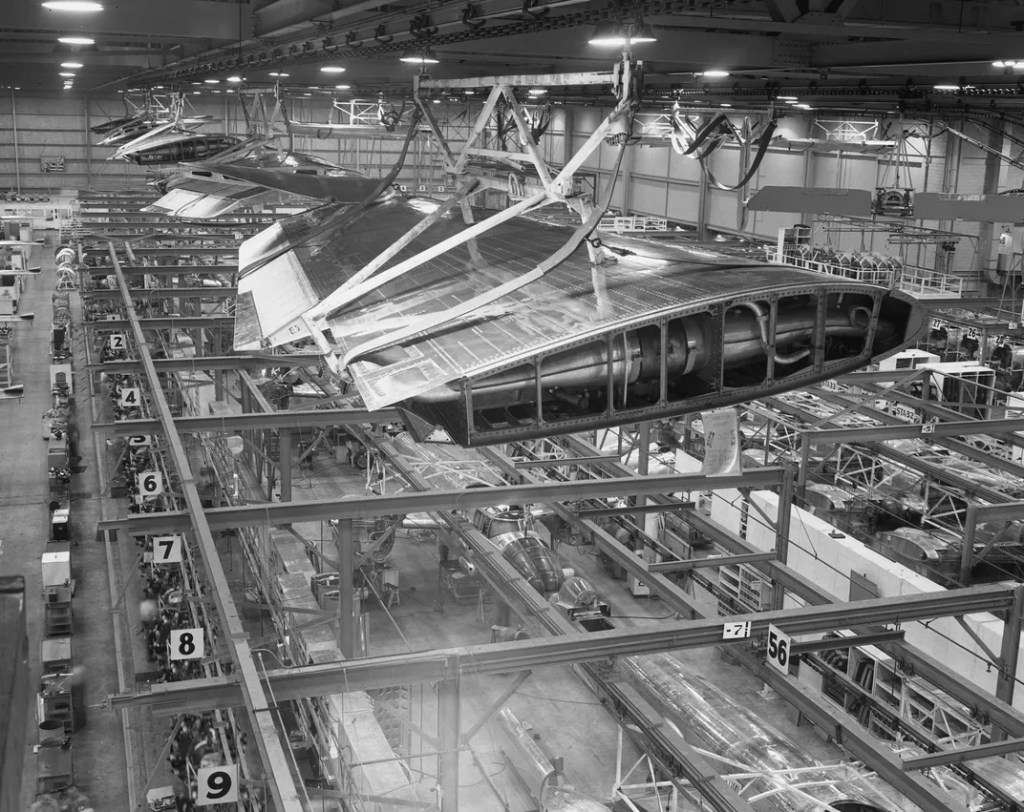
GM’s history in Kansas City begins with the company’s decision to purchase what had once been – up until that point – a Kansas City, Kansas aircraft production facility.
Automobile manufacturing by General Motors in Kansas City – in Kansas City, Kansas – was set in motion as a result of the company’s purchase of that old aircraft facility – the Bomber Production Plant. The Bomber Production Plant was located in Fairfax.
Kansas City and Fairfax…
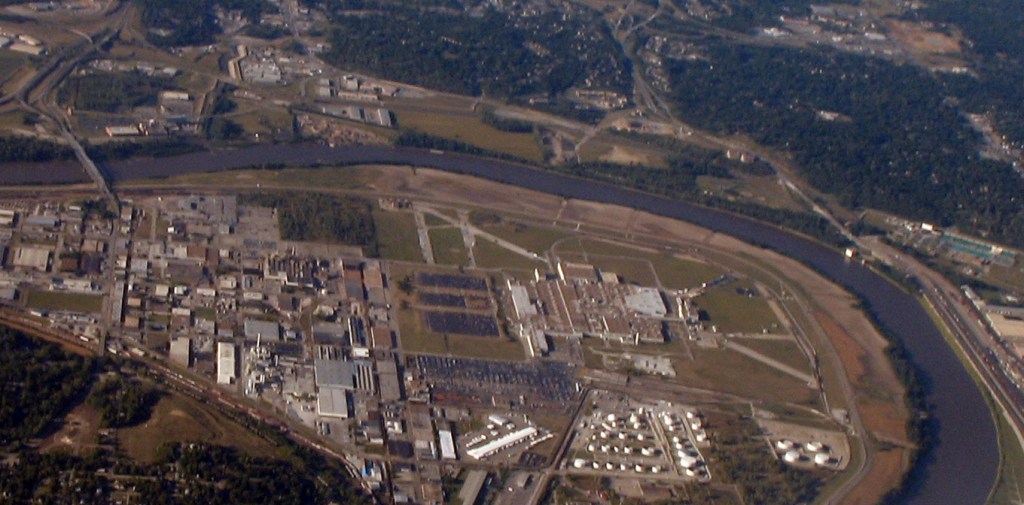
Fairfax is the industrial section of Kansas City, Kansas. The Fairfax Industrial District – found on the Missouri River’s Goose Island river bend – is the primary manufacturing hub in – of the two Kansas City’s – the Kansas City which is located in the Sunflower State.
What once had been Kansas City’s Bomber Production Plant produced a military plane – the B-25 Mitchell. General Motors purchased the Bomber Production Plant in Fairfax…then converted the former aircraft production facility into a mass production automobile assembly plant.
General Motors’ Kansas City Fairfax plant started manufacturing cars by the end of World War II. GM’s original Fairfax plant manufactured cars on through 1987.
In 1987, General Motors doubled-down on Kansas City by building the company’s current – and larger – Kansas City assembly plant right next to their original Kansas City Fairfax plant. In Fairfax.
GM’s new Fairfax plant – known as Fairfax II – was constructed on the site of the old Fairfax airport. At that time, Fairfax II represented a $1 billion investment made by General Motors into Kansas City.
In terms of Kansas City and the United Auto Workers…Kansas City has a very strong base of auto workers.
For example…
The UAW in Pleasant Valley, Missouri – Pleasant Valley is part of the KC Metro – has over 7,900 KC-area union auto workers. UAW Council in Kansas City, Missouri has 7,500 KC union auto workers. UAW Local 710 in Kansas City, Missouri has nearly 3,000 union auto workers. And in Kansas City, Kansas, UAW Local 51 has over 1,000 KC union auto workers.
The conversion of that old Kansas City military plant by Henry Ford… That $1 billion investment in Fairfax made by General Motors – Fairfax II…The future of the automotive industry in Kansas City looks rosy, primed and well-positioned for long-term growth.
For example…
General Motors invested $650 million in the company’s Fairfax plant in 2013. General Motors invested another $265 million into the Fairfax plant 5 years later…in 2018.
Ford invested $1.2 billion into the company’s Kansas City Assembly Plant in 2011. Followed by a $400 million investment made by Ford into the Kansas City Assembly Plant in 2019. Followed by another $100 million investment made by Ford into the Kansas City Assembly Plant in 2021.
In late Fall, General Motors announced that the company will be investing $390 million in the company’s Fairfax plant.
The automotive industry has been a major part of Kansas City’s economic progression as a city. Since early on in the 20th Century. There can be paragraph after paragraph after paragraph added to any writing about Kansas City and the auto industry should the writer choose to add the subject of EV’s to their work. This article is not about EV’s.
Regardless of which automotive subtopic one elects to focus upon when writing about Kansas City and the automotive industry, one thing is quite clear.
Throughout the 20th Century, Kansas City has been a major industrial hub when it comes to automotive manufacturing. Today, Kansas City is a major automotive manufacturing hub. Furthermore, all signs point in one direction for Kansas City and automotive manufacturing: the city’s role in the progression of – and the evolution for – the automotive industry can be classified as, highly relevant. And becoming morseso.
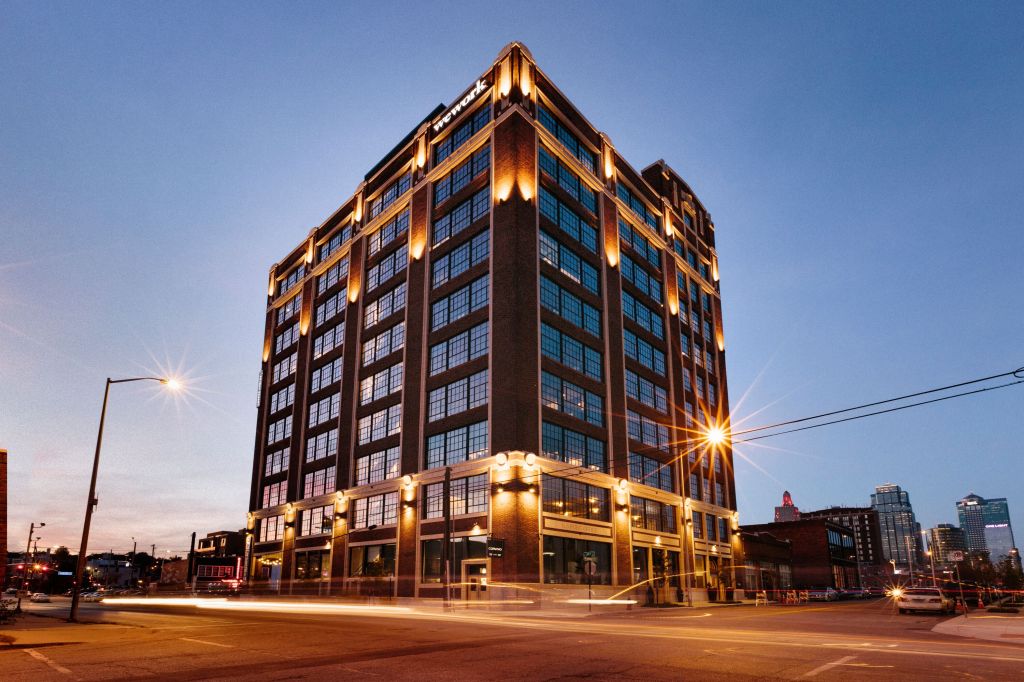
6th Street to 11th Street. Washington Street to Wyandotte Street. Kansas City’s Garment District.
Today, Kansas City’s Garment District is a neighborhood boasting of cutting edge offices, cool lofts and quaint coffee shops. This trendy KC neighborhood in 2025 traces its origin all the way back to the shops, the stores and the manufacturers which sprang up in this section of Kansas City during the first half of the 20th Century. Shops, stores and manufacturers which formed as a result of the growth of Kansas City’s garment industry…long, long ago.
Kansas City is a major US railroad hub. If you drew a diagram of the United States on a piece of paper, and if you marked the exact center of your diagram with a pen, you’d have…Kansas City.
An ability to ship garments to fashion-hungry consumers to the east. To the west. To the south. And to the north. Trendy garments shipped by rail in an optimistic, fashion-conscious post-war United States. Kansas City’s garment industry could do that. And did.
Yet the growth of Kansas City’s garment industry early in the 20th Century wasn’t just because of easy access to the railroad. Nor was the growth of Kansas City’s garment industry really just based upon Kansas City’s perfect location.
No, the growth of Kansas City’s garment industry was the result of a “perfect storm” – a low-cost/low-regulation region, shipments that could easily be made by rail and a post-war America that was looking to buy (and show off) new, fashionable clothes. This “perfect storm”…further fueled by the relocation of garment manufacturers to the Midwest. Away from the high-cost/high-regulation business environments they operated within in the East. To this lower-cost location. With less regulation. To Kansas City.
Garment manufacturers migrating in to Kansas City. Homegrown garment manufacturers growing their businesses in Kansas City. The foundation for the growth of Kansas City’s garment industry in the first half of the 20th Century.
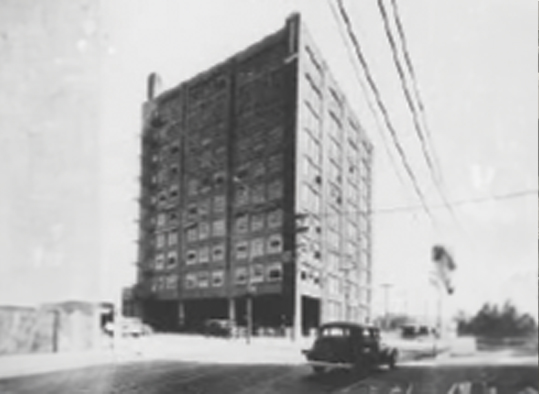
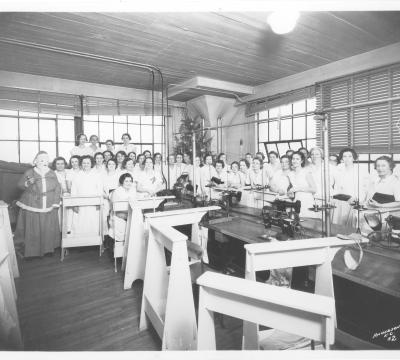
The Donnelly Garment Company…1828 Walnut Street.
Between 1916 and 1978, Kansas City-based Donnelly Garment Company manufactured over 75 million dresses. Making Donnelly Garment Company the largest dress manufacturer of the 20th century.
Peak employment for Kansas City’s garment industry was reached at the midpoint of the 20th Century. Closing in on 1950, nearly 5,000 garment industry workers had been employed by the close-to-100 Kansas City-based garment manufacturers. While Kansas City’s Donnelly Garment Company did the lion’s share Kansas City’s garment industry hiring…employing nearly 20% of all Kansas City’s garment workers at that time.
6th Street to 11th Street. Washington Street to Wyandotte Street. Kansas City’s Garment District.
Today, Kansas City’s Garment District is a neighborhood boasting of cutting edge offices, cool lofts and quaint coffee shops. And this trendy KC neighborhood of 2025 traces its origin all the way back to the shops, the stores and the manufacturers which sprang up in this section of Kansas City during the first half of the 20th Century. Shops, stores and manufacturers which formed as a result of the growth of Kansas City’s garment industry…long, long ago.
Kansas City is a major US railroad hub. If you drew a diagram of the United States on a piece of paper, and if you marked the exact center of your diagram with a pen, you’d have…Kansas City.
An ability to ship garments to fashion-hungry consumers to the east. To the west. To the south. And to the north. Trendy garments shipped by rail in an optimistic, fashion-conscious post-war United States. Kansas City’s garment industry could do that. And did.
Yet the growth of Kansas City’s garment industry early in the 20th Century wasn’t just because of easy access to the railroad. Nor was the growth of Kansas City’s garment industry really just based upon Kansas City’s perfect location.
No, the growth of Kansas City’s garment industry was the result of a “perfect storm” – a low-cost/low-regulation region, shipments that could easily be made by rail and a post-war America that was looking to buy (and show off) new, fashionable clothes. This “perfect storm”…further fueled by the relocation of garment manufacturers to the Midwest. Away from the high-cost/high-regulation business environments they operated within in the East. To this lower-cost location. With less regulation. To Kansas City.
Garment manufacturers migrating in to Kansas City. Homegrown garment manufacturers growing their businesses in Kansas City. A perfect storm. The foundation for the growth of Kansas City’s garment industry in the first half of the American 20th Century.
The Donnelly Garment Company…1828 Walnut Street.
Between 1916 and 1978, Kansas City-based Donnelly Garment Company manufactured over 75 million dresses. Making the Donnelly Garment Company the largest dress manufacturer of the 20th century.
Peak employment for Kansas City’s garment industry was reached at the midpoint of the 20th Century. Closing in on 1950, nearly 5,000 garment industry workers had been employed by the close-to-100 Kansas City-based garment manufacturers. While Kansas City’s Donnelly Garment Company did the lion’s share Kansas City’s garment industry hiring…employing nearly 20% of all Kansas City’s garment workers at that time.
Come January 31st, each of New Jersey’s 564 municipalities is required to file their own resolution with the State, adopting affordable housing obligations for their municipality.
Come June 30th, each of New Jersey’s 564 municipalities is required to submit their affordable housing plan to the State, for their municipality.
Last October, the New Jersey Department of Community Affairs released New Jersey affordable housing requirements. These will need to be completed by 2035. And here they are…
A) Create 84,698 new affordable housing units.
B) Preserve an additional 65,410 existing housing units.
140,00 homes built or renovated over the next ten years. That’s a lot of homes. That’s a lot of infrastructure needed.
Impact fees…and Trenton.
The Municipal Development Impact Fee Authorization Act – presently in committee in Trenton – would, if passed, broaden New Jersey municipalities’ ability to pass through development-related costs to real estate developers. By broadening the scope for how impact fees can be collected by municipalities.
New Jersey is one of 22 states which presently authorizes the collection of impact fees by a municipality. Different states may refer to “impact fees” though their own state vernacular. For example, in Kansas – Kansas does authorize impact fees – impact fees are also referred to as adequate facility taxes. Or excise taxes.
At the present time, in New Jersey, the impact fees which can be passed along by municipalities to developers are pretty much limited to off-site improvements which arise as a direct consequence of the development. Direct consequence?
My humble opinion…
The way impact fees are levied upon developers in New Jersey today seems a bit…unjust. Tilted too far in favor of developers. At the expense of municipalities. See, direct consequence.
For example, an increased allocation of funds – and personnel – will likely be required in order to accommodate the higher number of classroom students which will be arrived at through the construction of new homes within any municipality. New homes are built. New families move in. Families have kids. Kids go to school.
Yet, in New Jersey, this increase in education funding which will be required by a municipality – as a result of new development – is not able to be passed through to real estate developers by way of impact fees. Though they should be able to be so.
Because any increase in education funding needed in order to accommodate larger classroom sizes – or additional teachers – which comes about as a direct result of development is as much of a direct development-related cost as one can think of. It’s attributed to…the building of new homes. Isn’t it?
Education funds for a New Jersey municipality – collected through impact fees charged to real estate developers – should be permissible.
Larger classrooms. Additional teachers. Potentially, the construction of a brand new school. These are a few of the costs – real costs – that a municipality will incur as a result of an increase in the student population. Because new homes were built in the municipality.
One proposed solution? A boardening of the scope for the collection of impact fees by New Jersey municipalities.
Whereas critics of increasing impact fees may view additional impact fees charged to developers as impediments to growth, that argument is easily overcome.
Impact fees can be collected in lieu of local property tax hikes. Furthermore, impact fees are specific to the development at hand. To the area being developed. As such, the implantation of impact fees enables the broader property tax-paying populace to not be unduly burdened through an increased annual property tax bill. To fund development in town…which really does not directly affect them.
 Thinking About Becoming a Real Estate Developer?