Kansas City employs 25,000-plus workers in the automotive and transportation sectors. Kansas City is a major automotive manufacturing hub. The history of Kansas City as an automotive manufacturing hub goes back to the early part of the 20th Century. And to Henry Ford.
Henry Ford – just as he did in Detroit – was the entrepreneur who lit the match for Kansas City’s emergence as a global leader in automotive manufacturing
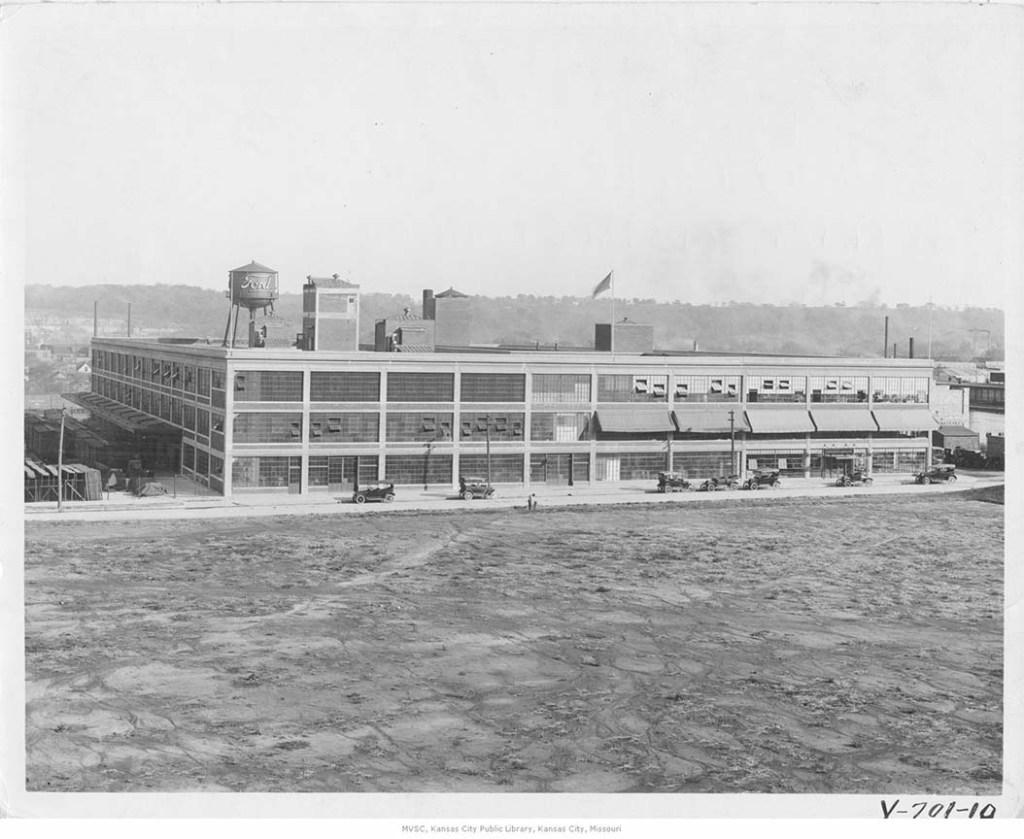
Under the direction of Henry Ford, the first automotive assembly plant built by Ford Motor Company outside of Detroit was built in Kansas City. Henry Ford built Ford’s first non-Detroit automotive manufacturing plant in 1913. Ford’s Kansas City plant was located at 10th and Winchester in Kansas City, Missouri.
In 1951, Ford relocated Kansas City manufacturing to what once had been a military production plant. Ford relocated the manufacturing outside of Kansas City proper to Claycomo, Missouri.
When Ford expanded, Claycomo, Missouri – Claycomo is part of the Kansas City Metro Area – was home to an old military plant. That old plant eyed by Henry Ford fit perfectly into Ford’s expansion plans.
Henry Ford acquired then reconfigured that old military production plant in Claycomo. Transforming his Claycomo acquisition into a mass-production automobile assembly plant for Ford by 1956.
Ford’s Claycomo plant – known as KCAP (Kansas City Assembly Plant) – employs nearly 10,000 auto workers. The Claycomo plant today sprawls over 1,200 acres. In Claycomo.
Ford F-Series pickup trucks are built in Claycomo. Since 1948, Kansas City produced over 40 million F-Series Ford pickups.
Ford as a company and Ford’s Kansas City Assembly Plant Ford as an automotive assembly plant was not the only automobile manufacturer and automobile assembly plant to grow their manufacturing base in Kansas City early in the 20th Century.
Between 1910 – 1910 is 3 years prior to the establishment of Ford’s first Kansas City plant – and 1914 Smith Automobile Company manufactured over 300 cars in Kansas City.
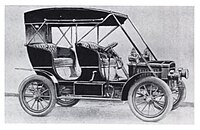
There were other automobile manufactures in Kansas City early in the 20th Century too.
Stanford Motor Car Company, Midwest Motor Company, Beggs Motor Company and Severin Motor Company were also building cars in Kansas City.
Beginning in 1905 – again, pre-Ford – and running through 1909, the Kansas City Motor Car Company manufactured automobiles in the old Northeast neighborhood of Kansas City, Missouri.
And we have General Motors in Kansas City as well…
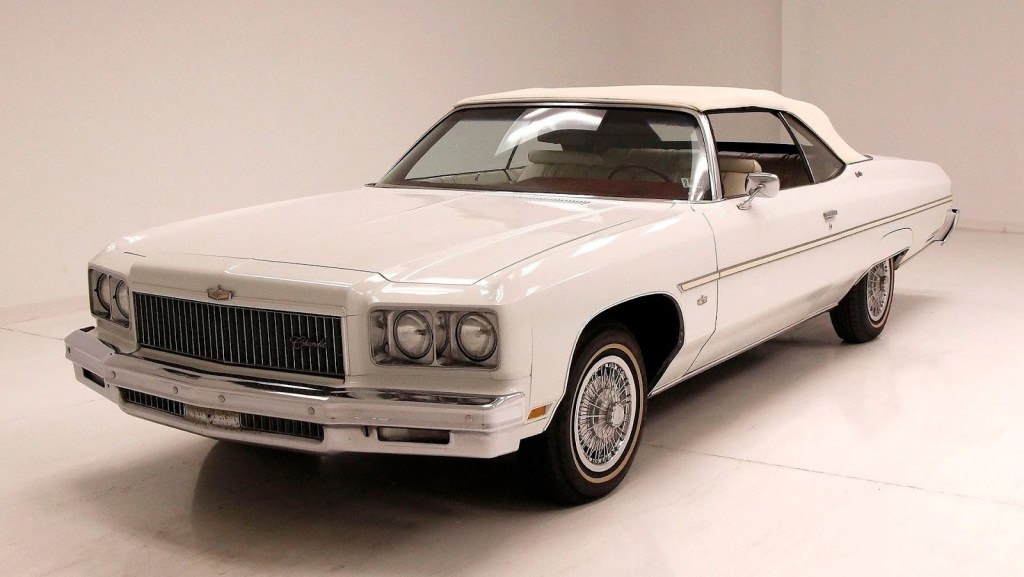
General Motors adopted Kansas City several decades after Henry Ford adopted Kansas City. And General Motors – as did Ford, decades prior – adopted Kansas City in a big way.
General Motors’ Kansas City manufacturing assembly plant sits on nearly 600 acres in Kansas City, Kansas. Employing 2,000-plus auto workers. The General Motors – Kansas City marriage goes back to right after the end of World War II.
It was just after World War II had ended that General Motors added Kansas City to the company’s manufacturing footprint.
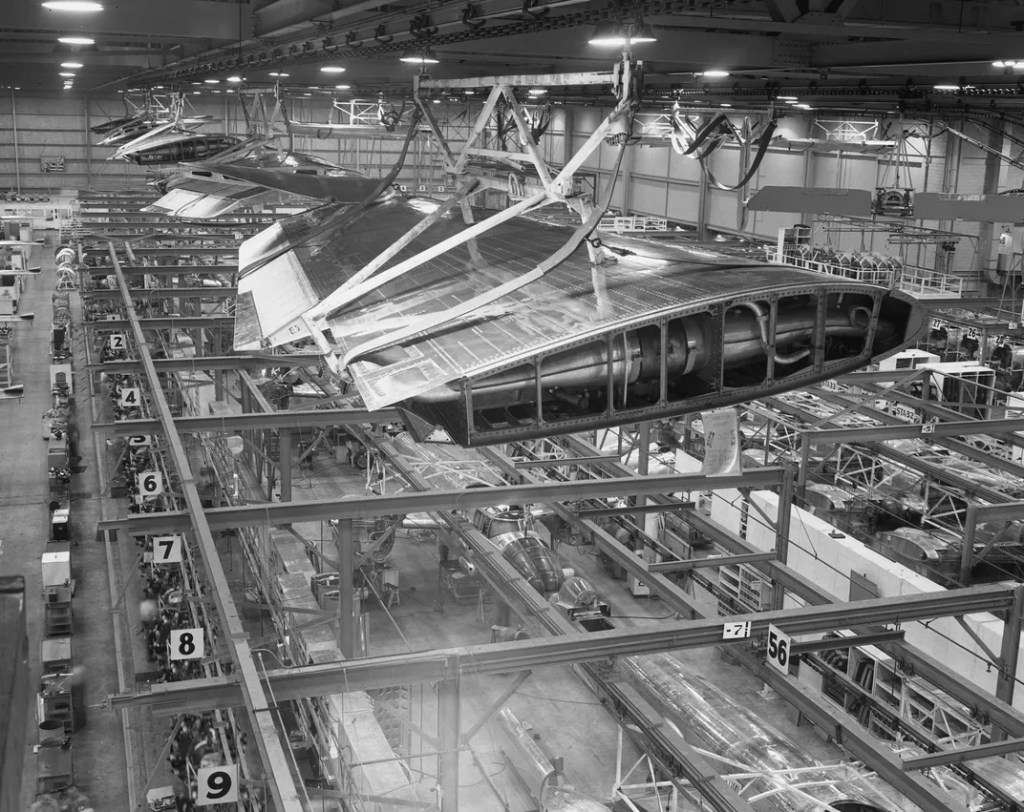
GM’s history in Kansas City begins with the company’s decision to purchase what had once been an aircraft production facility.
Automobile manufacturing by General Motors in Kansas City – in Kansas City, Kansas – was set in motion through the company’s purchase of that old aircraft facility – the Bomber Production Plant. The Bomber Production Plant was located in Fairfax.
Kansas City and Fairfax…
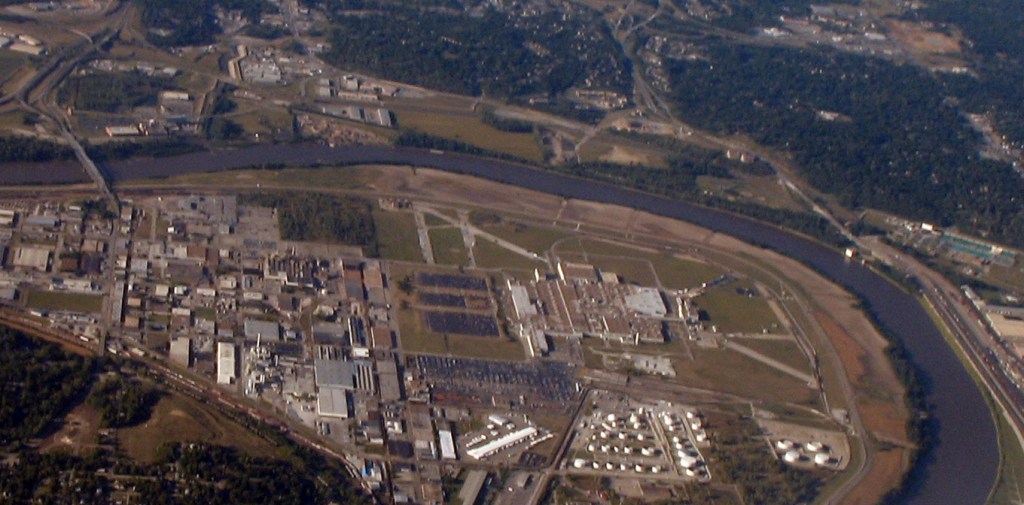
Fairfax is the industrial section of Kansas City, Kansas. The Fairfax Industrial District is located on the Missouri River’s Goose Island river bend. The central manufacturing hub in Kansas City, Kansas.
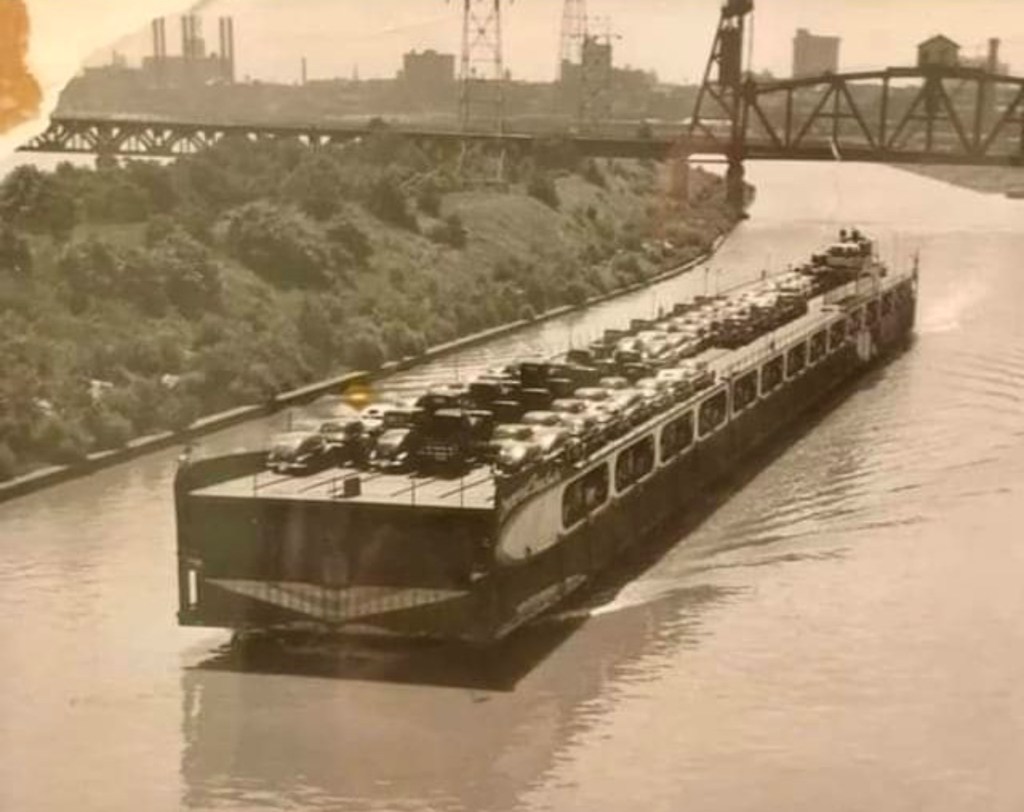
What once had been Kansas City’s Bomber Production Plant produced a military plane – the B-25 Mitchell. General Motors purchased the Bomber Production Plant in Fairfax. Then converted the aircraft production facility into an automobile assembly plant.
General Motors’ Kansas City Fairfax plant started manufacturing cars at the end of World War II. GM’s original Fairfax plant manufactured cars through 1987.
In 1987, General Motors doubled-down on Kansas City by building the company’s current – and larger – assembly plant next to the original Kansas City Fairfax plant.
GM’s new Fairfax plant – known as Fairfax II – was constructed on the site of the old Fairfax airport. Fairfax II constituted a $1 billion investment made by General Motors in Kansas City.
In terms of Kansas City and the United Auto Workers Kansas City has a very strong base of auto workers.
For example…
The UAW in Pleasant Valley, Missouri – Pleasant Valley is part of the KC Metro – has over 7,900 KC-area union auto workers. UAW Council in Kansas City, Missouri has 7,500 KC union auto workers. UAW Local 710 in Kansas City, Missouri has nearly 3,000 union auto workers. And in Kansas City, Kansas, UAW Local 51 has over 1,000 KC union auto workers.
The conversion of that old Kansas City military plant by Henry Ford… That $1 billion investment in Fairfax made by General Motors – Fairfax II…The future of the automotive industry in Kansas City looks rosy, primed and well-positioned for long-term growth.
For example…
General Motors invested $650 million in the company’s Fairfax plant in 2013. General Motors invested another $265 million in the Fairfax plant 5 years later.
Ford invested $1.2 billion in the company’s Kansas City Assembly Plant in 2011. Followed by a $400 million investment made by Ford in the Kansas City Assembly Plant in 2019. Followed by another $100 million investment made by Ford in the Kansas City Assembly Plant in 2021.
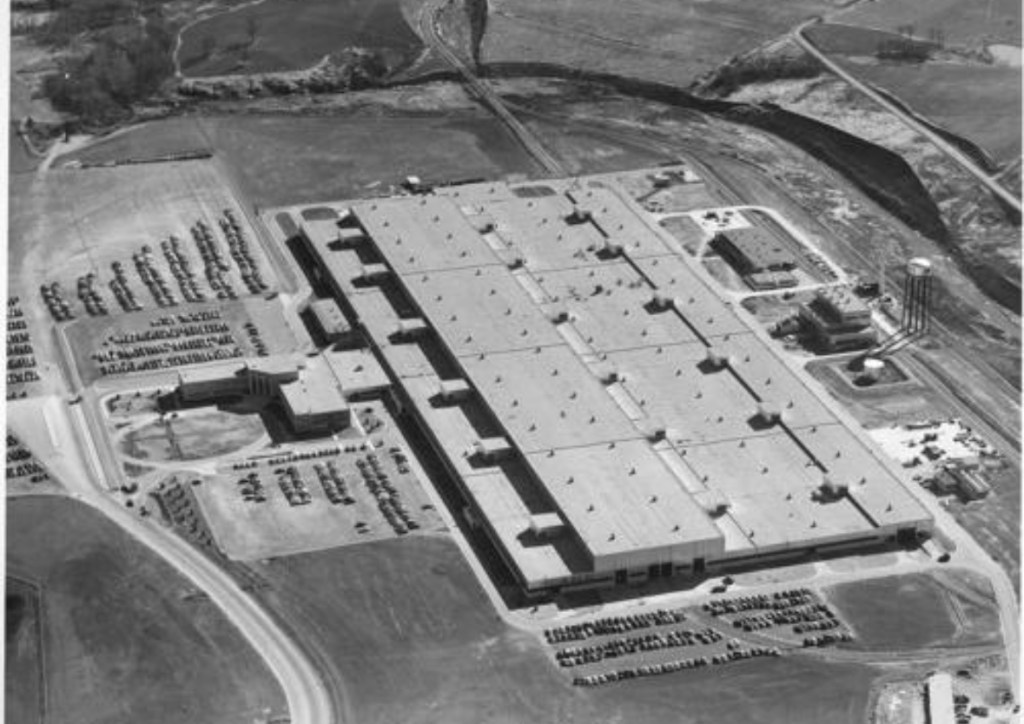
Recently General Motors announced that the company will be investing $390 million in the company’s Fairfax plant.
Throughout the 20th Century, Kansas City has been an automotive manufacturing hub. All signs point in the direction of Kansas City and automotive manufacturing sustaining their mutually beneficial relationship.


 Thinking About Becoming a Real Estate Developer?