Kansas City and Soccer

Kansas City has become the national leader for soccer development in the United States. So it seems rather fitting that as the Soccer Capital of America, Kansas City is also home to one of the forefathers in the formation of American soccer, Lamar Hunt.


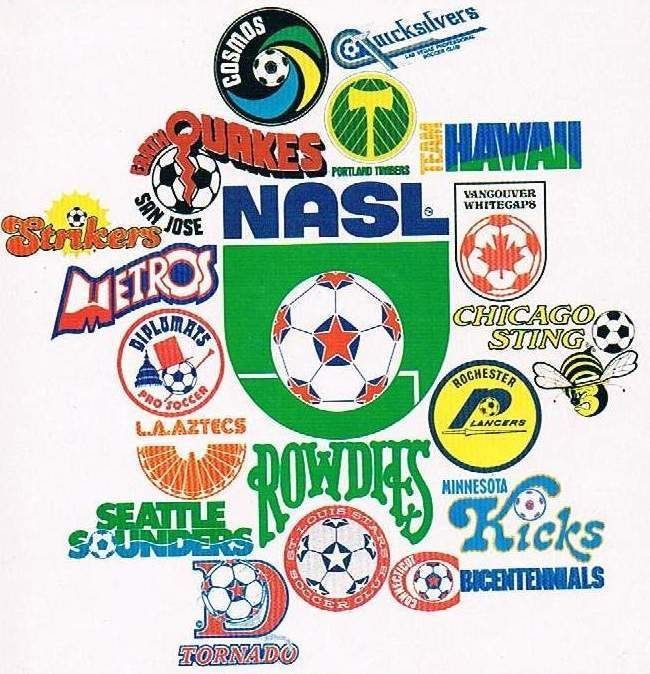
Inducted into the National Soccer Hall of Fame in 1982, Lamar Hunt was an early investor in the North American Soccer League – the NASL. When the NASL ran into financial headwinds in the early ‘80’s – going from 17 teams to only 5 teams – the patriarch of the Kansas City Chiefs remained committed to the future of the NASL. And to the future of soccer in the United States.


A then-NASL franchise owner himself, Lamar Hunt’s team was the Dallas Tornado.

Hunt’s ownership of the Tornado goes back to the team’s inception in 1967.


Lamar Hunt owned the Dallas Tornado until the team folded in 1981. Hunt’s Dallas Tornado won the NASL championship in 1971. One year after Hunt’s Kansas City Chiefs won Super Bowl IV.


Dallas Tornado started out as a team in the United Soccer Association. The United Soccer Association merged with the National Professional Soccer League. Leading to the formation of the NASL.


While the Hunt name is known mostly through the family’s ownership of the NFL team that has won the Lamar Hunt Trophy as champions of the AFC 5 times since Patrick Mahomes arrived in Kansas City, early on, the NFL was no fan of Hunt’s commitment to soccer.


The NFL took steps to disallow an NFL team owner – I.e.: Lamar Hunt – from owning a professional sports team in more than one sport. This was an NFL-led effort to force the Hunt family to divest their interests in a soccer franchise. The NFL’s football-only rule ultimately failed. The Hunt family stayed in soccer.

In 1996, Kansas City Chiefs Chairman Clark Hunt, together with his father, Lamar Hunt, acquired two MLS teams. The Columbus Crew and the Kansas City Wizards (now Sporting KC).

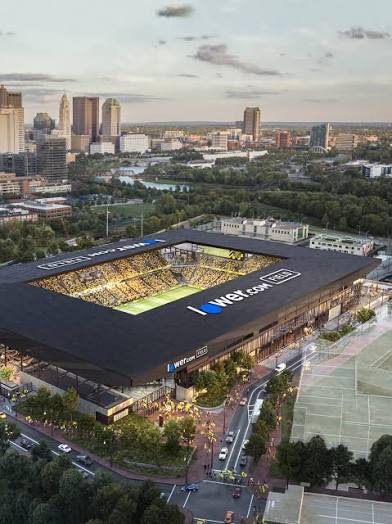
Three years later, Lamar Hunt financed the construction of what was at that time the largest soccer-only stadium in the United States. In Columbus, Ohio. Columbus Crew Stadium.


In 2003, Lamar Hunt purchased his third MLS team. The then-Dallas Burn (now FC Dallas).


Lamar Hunt’s acquisition of the Dallas Burn was anchored through his commitment to finance a soccer-only stadium in Dallas. Lamar Hunt believed that sound economics for professional soccer in North America needed to be anchored through stadium ownership.


Today, Dallas Burn are owned by Hunt Sports Group.


The Hunt family sold the Kansas City Wiz in 2006. The Kansas City Wiz went on to win the MLS Cup that same year. In 2006.


Like America’s earlier professional soccer league – the NASL – the MLS ran into financial difficulties.


By the early-2000’s, only three MLS team owners remained committed to funding ongoing MLS operations. At that time, the MLS was hemorrhaging cash. Losing $250 million since its inaugural 1996 season. One of those three still-committed team owners was Lamar Hunt.


Lamar Hunt’s commitment to soccer-only stadiums led to the financial turnaround for American soccer. And for the MLS.


Further linking the Hunt family to American soccer, in 1999, U.S. soccer’s longest standing knockout competition – the U.S. Open Cup – was renamed the Lamar Hunt U.S. Open Cup by the United States Soccer Federation. In honor of Lamar Hunt’s contributions to American soccer. While, so too, recognizing Lamar Hunt’s contributions to two American professional soccer leagues. The NASL. And later, the MLS.


The Hunt family’s FC Dallas won the Lamar Hunt U.S. Open Cup two times. In 1997 and 2016.


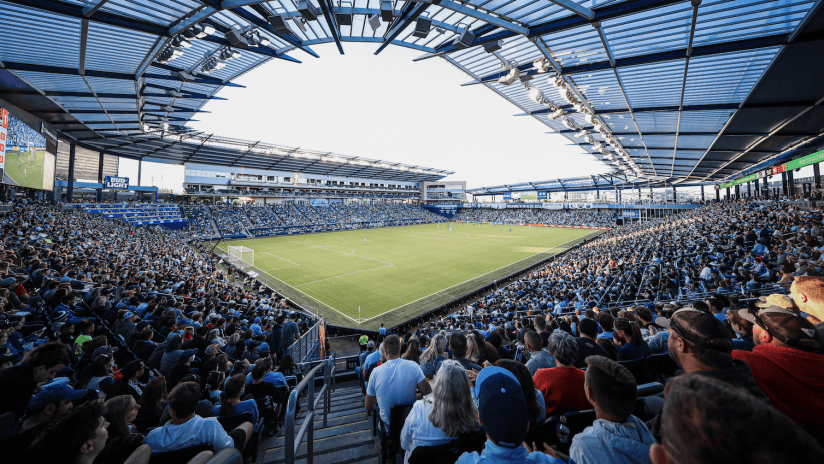
Under the Hunt family’s leadership, Sporting KC also won the Lamar Hunt U.S. Open Cup two times. In 2004 and 2012. While Lamar Hunt’s Kansas City Wizards won the MLS Cup in 2000.
Kansas City’s first Chief was a Boy Scout leader, a pianist and a debate champion

The original Kansas City Chief never donned a crimson helmet endowed with an arrowhead.


The original Kansas City Chief never played in a Super Bowl. The original Kansas City Chief never was a quarterback. The original Kansas City Chief did not play defensive end. Even though the original Kansas City Chief – standing 6’4 feet in height and weighing nearly 400 pounds – was larger than Chris Jones.


The original Kansas City Chief did win a championship. The original Kansas City Chief was a championship debater in college. He was also a Boy Scout leader. And a skilled pianist.


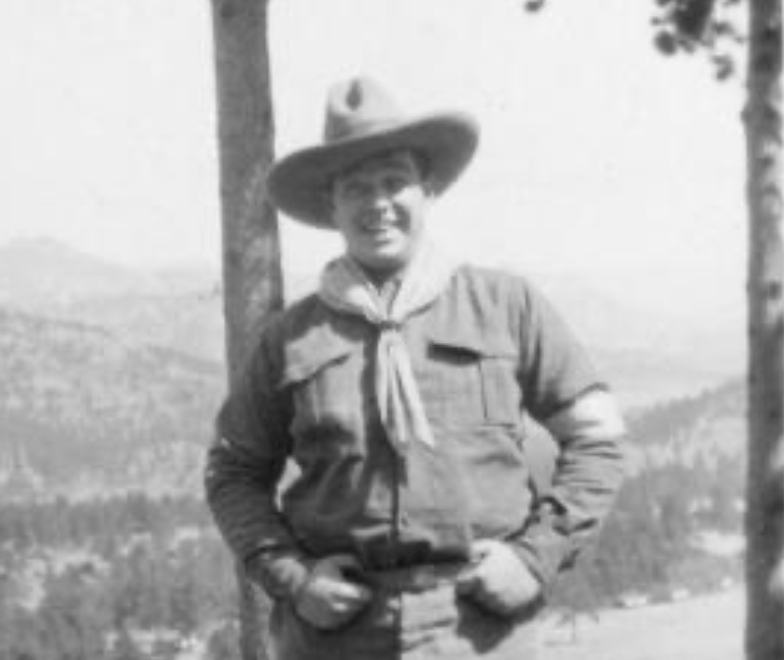
The original Kansas City Chief was Kansas City’s two-term mayor, Harold Roe Bartle. The 47th mayor of Kansas City, Missouri.


Harold Roe Bartle. a gentleman who, when he became Kansas City’s mayor in 1956, was well-known as an in-demand public speaker. The original Kansas City Chief participated in hundreds of speaking engagements each year. And on any given Sunday in the Fall, the original Kansas City Chief would likely have opted to host a Boy Scout camping trip rather than to head over to Arrowhead to catch a football game.


A little about Kansas City’s original Chief and his accomplishments as mayor.


During Harold Roe Bartle’s two terms as mayor, Kansas City’s hospitals were desegregated. And African-Americans were for the first time able to pursue a career as a police officer or as a firefighter. Causes Harold Roe Bartle held close to his heart. Choosing to throw his political weight as mayor behind each socioeconomic advancement for African Americans.

The football team’s nickname, Chiefs…


According to legend, when Harold Roe Bartle was living in Wyoming, he was inducted into a Arapaho tribe. As the story has been told, the Arapaho bestowed upon Harold Roe Bartle the nickname of Lone Bear. That nickname of Lone Bear for Harold Roe Bartle was later changed to Chief Lone Bear. And here we have the origin for Harold Roe Bartle becoming “Chief.” He was given this alias of “Chief” by an Indian tribe.


Born in Richmond, Virginia, Harold Roe Bartle relocated to Missouri. In time, becoming Kansas City’s 47th mayor. With his physically imposing 6’4, near 400-pound frame, Kansas Citians called their mayor Chief.


Kansas City’s football team…


The Kansas City Chiefs started out as a Texas team – the Dallas Texans. The Dallas Texans were an AFL team. The Texans-Chiefs won the AFL championship three times. In 1962 as the Dallas Texans. And in 1966 and 1969 as the Kansas City Chiefs.


In 1960, the AFL’s Dallas Texans encountered a National Football League interested in getting their own team in Dallas. That NFL team went on to become the Dallas Cowboys.


In 1950, Dallas’ population was 434,000. Dallas was growing. The NFL recognized Dallas this.


By 1960, Dallas’ population was closing in on 700,000. Dallas was a growing market. The NFL wanted in.


In 1960 Lamar Hunt’s Dallas Texans were the only football team in Dallas. But Lamar Hunt’s Dallas Texans were an AFL team. Not an NFL team. With an NFL team coming to Dallas – two football teams – fan loyalty would be split. The NFL would have the Dallas Cowboys. The AFL would have the Dallas Texans.


Lamar Hunt decided to move his team. First, Lamar Hunt considered moving his Texans to Atlanta. Hunt also considered Miami. Enter Kansas City’s Chief.

Harold Roe Bartle proposed an idea to Lamar Hunt, the Texas oil tycoon. The idea Harold Roe Bartle presented to Lamar Hunt was to forget about Atlanta. To forget about Miami.

Rather, Harold Roe Bartle suggested a Midwest home for Hunt’s team. Harold Roe Bartle spoke of how advantageous it could be to attract a fan base from a multi-state region in the Midwest. Lamar Hunt could do this by relocating his Texans to Kansas City.


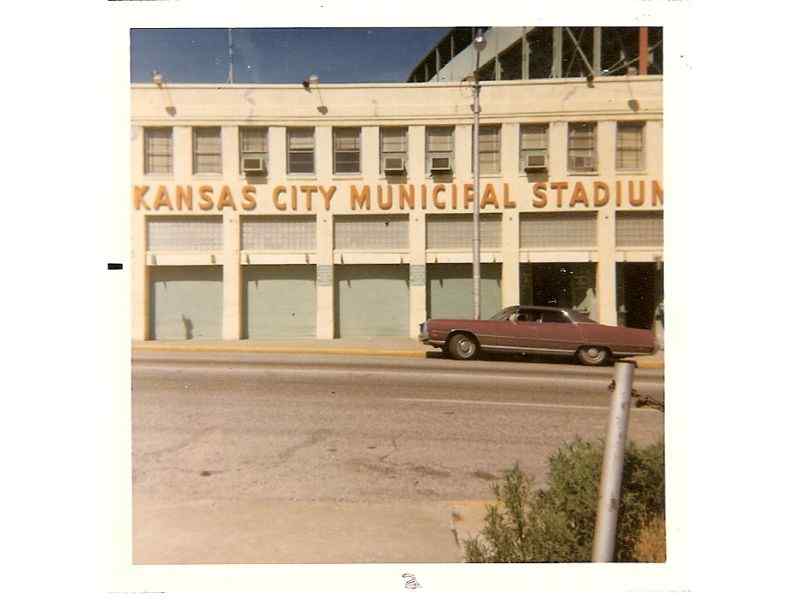
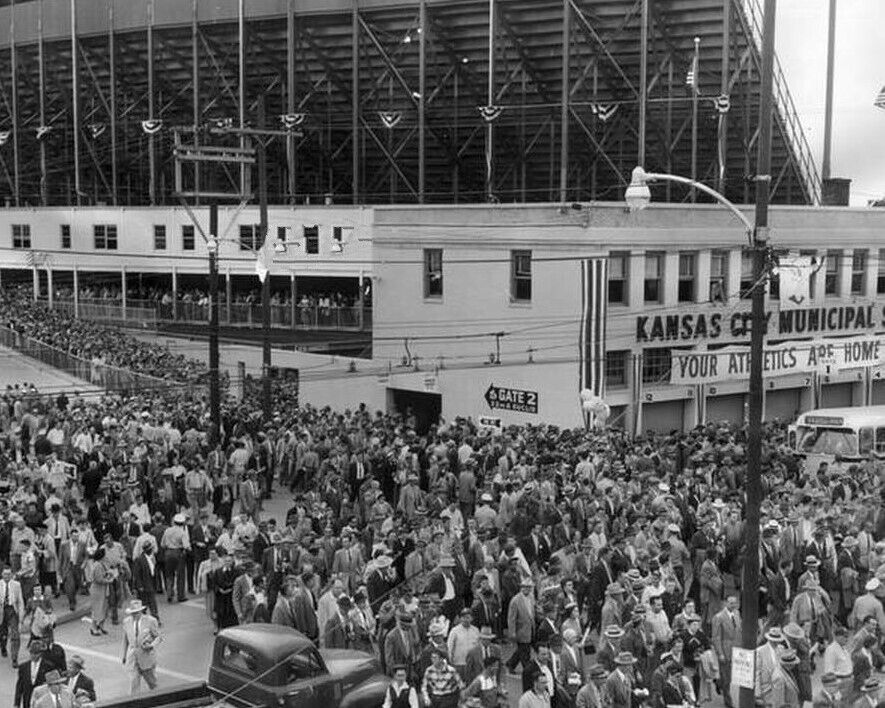
Kansas City would be the perfect home for the Texans. The Texans could play their home games in Kansas City’s Municipal Stadium.


The Kansas City Athletics played in Municipal Stadium from 1955 until their relocation to Oakland in 1967. The A’s old stadium in Kansas City – Municipal Stadium – sat empty.


The proposal Harold Roe Bartle made to Lamar Hunt involved a lease. Hunt’s team would pay the City of Kansas City, Missouri $1.00 per year in rent. While 14,000 additional seats would be added to the old stadium located at 2133 Brooklyn Avenue. The additional seating would accommodate a ready, waiting and eager fan base.

In a grass roots effort undertaken to recruit the Texans to Kansas City, Harold Roe Bartle launched a citizen’s outreach program. His program involved selling season tickets to Chiefs.

Lamar Hunt’s Dallas team did relocate to Kansas City. The Texans moved to Kansas City in the Spring of 1963. As a tribute to how hard Harold Roe Bartle worked to recruit the Texans to Kansas City, Lamar Hunt’s team was rebranded in honor of Harold Roe Bartle contributions. The Texans were now the Kansas City Chiefs.


Harold Roe Bartle served as Kansas City’s mayor from 1956 to 1963. Lamar Hunt’s Kansas City Chiefs played their home games on Brooklyn Avenue in Municipal Stadium from 1963 (Bartle’s last year as mayor) until 1971. Before the Chiefs moved to Arrowhead.


Bartle’s role in bringing the Chiefs to Kansas City notwithstanding, the passions of Harold Roe Bartle, who was born in Virginia and was a lawyer by trade, were less routed in football than they were in children. Which brings us to the Boy Scouts.


Harold Roe Bartle organized the Boy Scouts’ Tribe of Mic-O-Say. Tribe of Mic-O-Say was started in Agency, Missouri.

Today, Tribe of Mic-O-Say is a Boy Scout honor society. Harold Roe Bartle served as a Scout executive at the St. Joseph Council for the Boy Scouts (now the Pony Express Council).

The camp Harold Roe Bartle established is the Bartle Scout Reservation. Mic-O-Say. At Mic-O-Say, Boy Scouts prove their competency in camping, while demonstrating leadership skills.


Attendance at Harold Roe Bartle’s Boy Scout camp increased year-by-year. Boy Scouts attending Harold Roe Bartle’s camp shared in customs, trends and activities of Native Americans. The curriculum for Mic-O-Say, routed in Harold Roe Bartle’s love of Native American culture. It was, after all, Native Americans who bestowed upon Bartle his handle of Chief.


Bartle’s Mic-O-Say camp is still in operation today. The camp is now located in Osceola, Missouri.


The Kansas City Chiefs now play at GEHA Field at Arrowhead Stadium.


The Order of the Arrow is a Boy Scouts of America honor society.

The Soccer Capital of America, Kansas City

As a city, Kansas City has become the national leader for soccer development in the United States. So it seems rather fitting that the Soccer Capital of America – Kansas City – is also the city to which one of the forefathers in the formation of American soccer is forever linked…Lamar Hunt.


Inducted into the National Soccer Hall of Fame in 1982, Lamar Hunt was an early investor in the North American Soccer League. I.e.: the NASL. When the NASL incurred financial challenges in the early ‘80’s – shrinking from 17 teams to 5 teams – the Kansas City Chiefs patriarch remained committed to the future of the NASL. And to the future of soccer in the United States.

A then-NASL franchise owner himself, Lamar Hunt’s team was the Dallas Tornado. Hunt’s ownership of the Tornado goes back to the team’s inception in 1967. Hunt owned the Dallas Tornado until the team ultimately folded in 1981. Hunt’s Dallas Tornado won the NASL championship in 1971…one year after Hunt’s Kansas City Chiefs won Super Bowl IV.


Lamar Hunt’s Dallas Tornado started out as a team in the United Soccer Association. The United Soccer Association merged with the National Professional Soccer League…creating the NASL.


While the Hunt name is known, mostly, as a result of the family’s ownership of the NFL team that has won the Lamar Hunt trophy 5 out of the past 6 years as AFC Champions – the Kansas City Chiefs – early on, the NFL was no fan of Hunt’s commitment to soccer. In fact, the NFL took steps which were designed to disallow an NFL team owner – I.e.: Lamar Hunt – from owning a professional sports team in more than one sport. This was an NFL-led effort to force the Hunt family to divest from their interests in soccer. The NFL’s football-only rule ultimately failed. The Hunt family stayed in soccer.


In 1996, Kansas City Chiefs Chairman Clark Hunt, together with his father, Lamar Hunt, acquired two MLS teams – the Columbus Crew and the Kansas City Wizards (now Sporting KC).

Three years later, Lamar Hunt financed the construction of what was at that time the largest soccer-only stadium in the United States in Columbus, Ohio – Columbus Crew Stadium.

In 2003, Lamar Hunt purchased his third MLS team, the then-Dallas Burn (now FC Dallas). Hunt’s acquisition of the Dallas Burn was anchored through his commitment to finance a soccer-only stadium in Dallas as well…for the Burn. Lamar Hunt always believed that sound economics for professional soccer in North America had to be anchored by stadium ownership.


Today, the Dallas Burn are owned by Hunt Sports Group.

The Hunt family sold the Kansas City Wiz in 2006. The Kansas City Wiz went on to win the MLS Cup that same year. In 2006.


Like America’s earlier professional soccer league – the NASL – the MLS ran into their fair share of financial difficulties.

In the early 2000’s, there were only three MLS team owners who remained committed to funding ongoing MLS operations. At that time, the MLS was hemorrhaging cash – losing $250 million since its inaugural 1996 season. One of those three MLS owners, was Lamar Hunt.

Lamar Hunt’s commitment to soccer-only stadiums contributed to the financial turnaround for American soccer. And for the MLS.


Further linking the Hunt family to American soccer, U.S. soccer’s longest standing knockout competition – the U.S. Open Cup – was renamed the Lamar Hunt U.S. Open Cup by the United States Soccer Federation in 1999…that renaming, having been undertaken by the United States Soccer Federation to honor Lamar Hunt’s contributions to American futbol. While also recognizing Lamar Hunt’s contributions to two American professional soccer leagues…first, the NASL, then later, the MLS.  

The Hunt family’s FC Dallas won the Lamar Hunt U.S. Open Cup two times. In 1997 and 2016. 


Under the Hunt family’s leadership, Sporting KC also won the Lamar Hunt U.S. Open Cup two times. In 2004 and 2012.

Lamar Hunt’s Kansas City Wizards won the MLS Cup in 2000.
How are the two baseball “blue bloods” linked to Kansas City? The answer is found in the 1955 World Series.


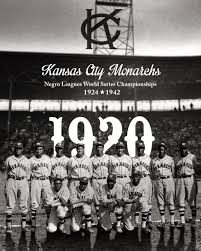
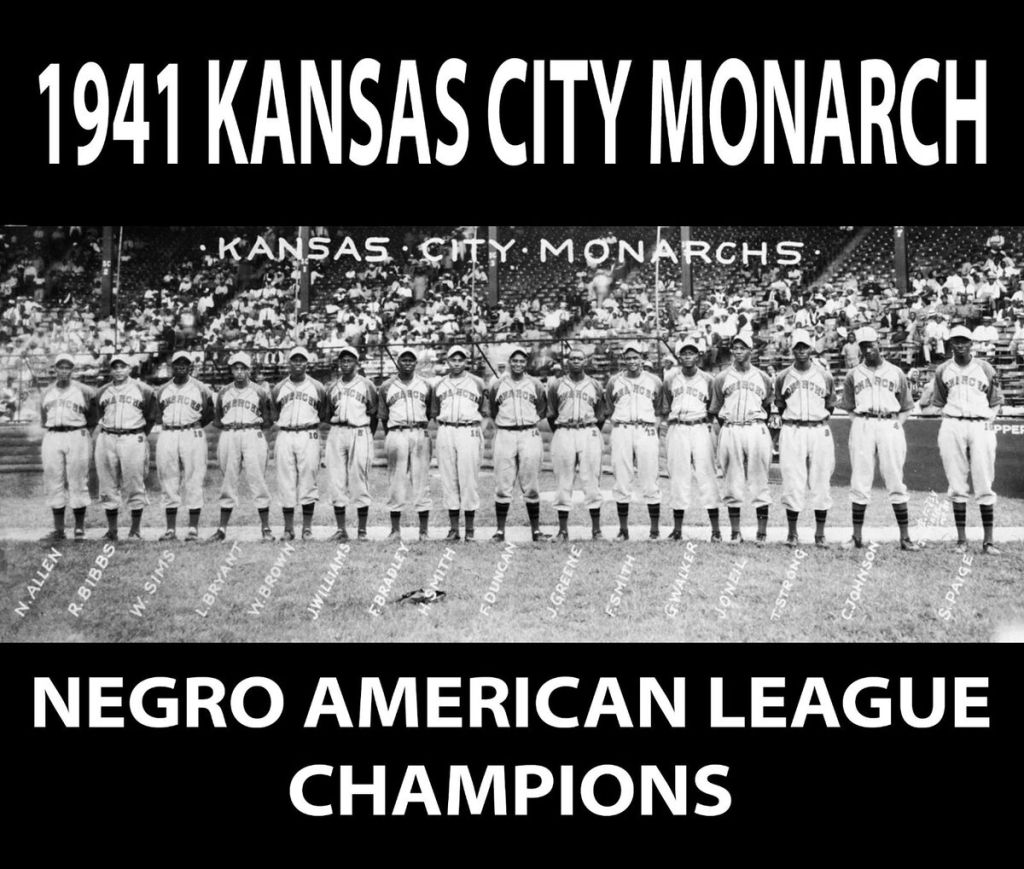
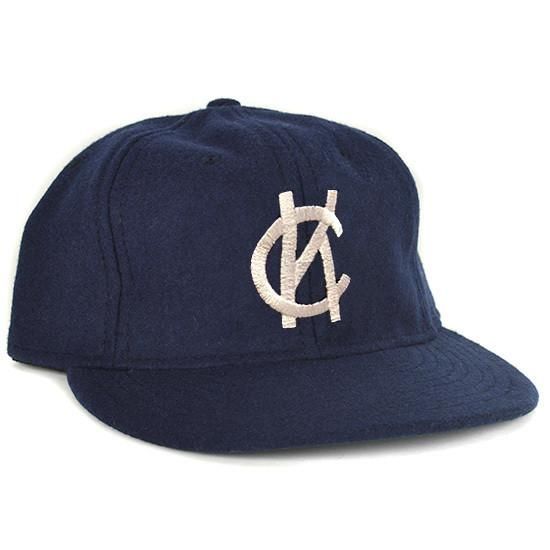
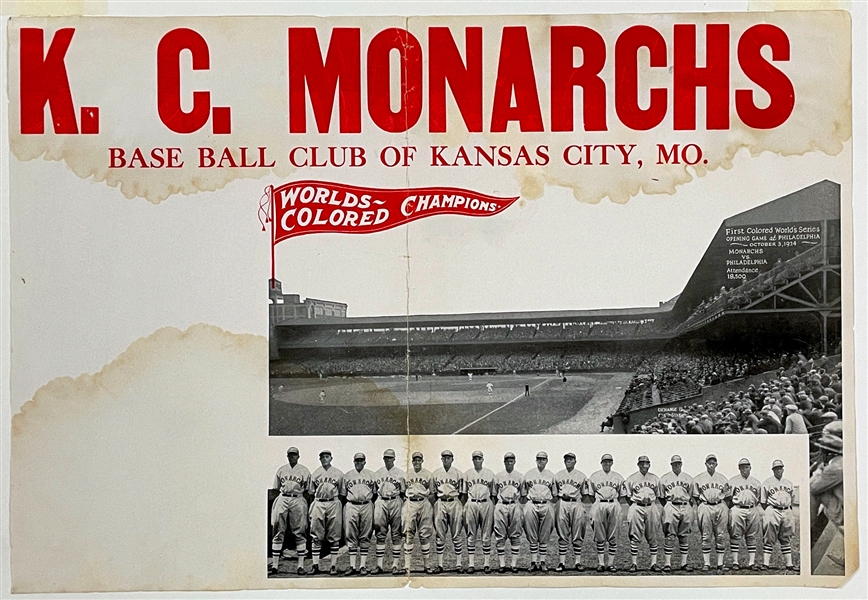
Between 1923 and 1955 the Kansas City Monarchs called Kansas City – and Kansas City Municipal Stadium – “home.”

The Kansas City Monarchs won twelve league championships before major league baseball was racially integrated. The Monarchs appeared in four Negro League World Series, winning it all in 1924. And again in 1942.


The Kansas City Monarchs produced more Major League Baseball players than any other Negro League franchise. Some of whom went on to become household names.

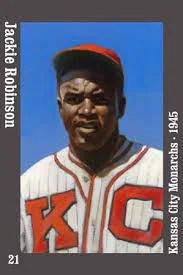
Jackie Robinson played for the Kansas City Monarchs in 1945. Jackie Robinson was later signed by the Dodgers…breaking the color barrier in Major League Baseball in 1947. 

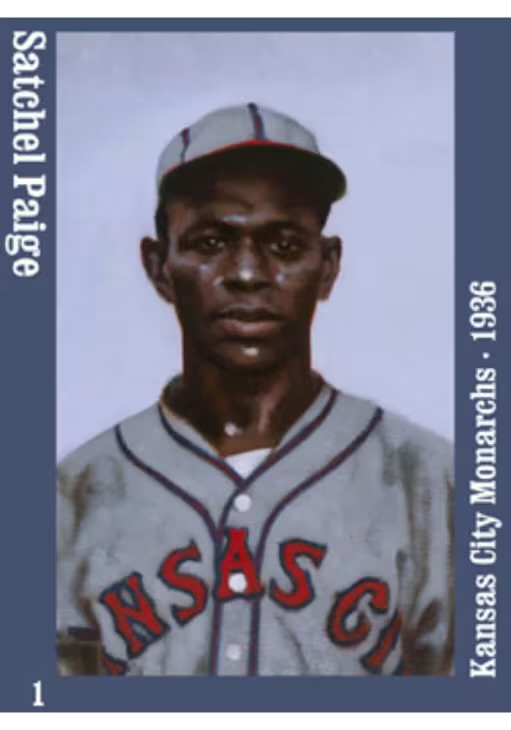
Satchel Paige and Ernie Banks played in Kansas City too. For the Kansas City Monarchs.

There are thirteen one-time Kansas City Monarchs in the Major League Baseball Hall of Fame. There are four Kansas City Monarchs in the Hall of Fame whose Hall of Fame plaques depict the players sporting Kansas City Monarchs uniforms. The four Monarchs in the Hall of Fame, wearing the Monarchs uniform? Willard Brown, Satchel Paige, J.L. Wilkinson and Hilton Smith.


The first Negro League World Series game ever played was played in Kansas City. At Kansas City Municipal Stadium. The year was 1924.

The Negro League Baseball Museum is located a few blocks from where Kansas City Municipal Stadium once stood. In Kansas City’s historic 18th and Vine District. 

Jackie Robinson started out in Kansas City. Jackie Robinson’s first contract as a Kansas City Monarch paid him $400/month.

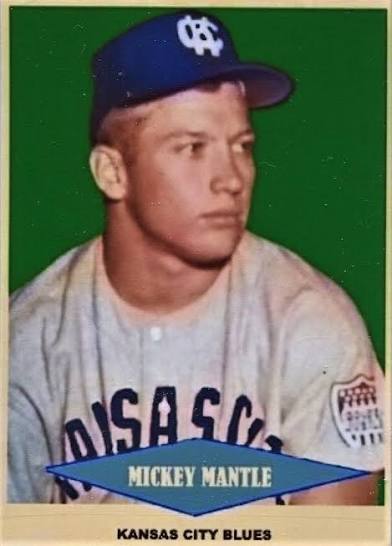
Kansas City’s one-time minor league baseball team – the Kansas City Blues – were the original Municipal Stadium tenants.

The Kansas City Blues have made some notable contributions to Major League Baseball. And to the winningest team in all of sports…the New York Yankees. 

Mickey Mantle once played in Kansas City. For the Kansas City Blues. Whitey Ford, Elston Howard, Yogi Berra and Phil Rizzuto all played for the Kansas City Blues as well. 

Between 1955 and 1967, the now-Oakland Athletics were then the Kansas City Athletics. The Kansas City Athletics played their home games at Kansas City Municipal Stadium.

Some famous Oakland A’s – then later, famous New York Yankees – got their starts in Kansas City. As Kansas City Athletics. Those famous Kansas City A’s-turned-Yankees? Reggie Jackson and Catfish Hunter. 

Reggie Jackson played his rookie year in Kansas City for the Kansas City Athletics in 1967. Reggie Jackson batted .178 his rookie year in Kansas City. Reggie hit one home run as a Kansas City Athletic that year. 

Catfish Hunter played in Kansas City for the Kansas City Athletics from 1965 until 1967. 

In 1978, in the playoffs, while playing for the Yankees and against Kansas City, Reggie batted .462, He hit twice as many home runs in the 1978 playoffs against Kansas City as he hit as a rookie in Kansas City. As a Kansas City Athletic. Reggie hit two home runs against Kansas City in the 1978 playoffs.

In 1955, the Kansas City Athletics drew nearly 1.4 million fans to their home games at Municipal Stadium. That year, the Kansas City Athletics had the third best home attendance in baseball. 


The New York Yankees had the best attendance in baseball in 1955. On the roster of the 1955 New York Yankees…we find the connection to Kansas City. 

Elston Howard. Yogi Berra. Phil Rizzuto. Billy Martin. And Mickey Mantle. All players on the pennant-winning 1955 New York Yankees. Each tracing the beginning of their careers to Kansas City. And to Kansas City Municipal Stadium.

Elston Howard was a Kansas City Monarch in 1948. While in Kansas City, Howard, the first African American to make it onto a Yankees roster, played for Buck O’Neil, the first African American coach in Major League Baseball history.


Yogi Berra played for the Kansas City Blues in 1944 and 1945.

Whitey Ford played for the Kansas City Blues in 1950.

Phil Rizzuto played for the Kansas City Monarchs in 1931, and from 1933 to 1939. 

Billy Martin played in Kansas City. Not for the Blues. Not for the Monarchs. Billy Martin played in Kansas City for the Kansas City Athletics. In 1957.

Mickey Mantle played for the Kansas City Blues. In 1952.


The Yankees lost the 1955 World Series to the Brooklyn Dodgers. The Dodgers beat the Yankees in the 1955 World Series in seven games. 

On the Series-winning 1955 Dodgers we’d find another all-time great whose career began in Kansas City, playing in Kansas City Municipal Stadium. That Dodger great? Jackie Robinson.