Author: Ted Ihde
Ted is a real estate broker, a real estate developer as well as co-CEO of Team With Heart.
Schedule of Values: establishing your budget
When you are updating your home, let’s say plans and specs for your project will cost $3,000. Within your Schedule of Values (“S.O.V.”), the $3,000 cost for plans and the specs will be labeled as a dollar amount within the project – “plans and specs, $3,000.” Within your S.O.V. this $3,000 cost for plans and specs will also be categorized as a percentage of your overall project.
Let’s say your home updates will cost $125,000 in order to complete. Your plans and specs cost $3,000. So within your S.O.V., plans and specs will be categorized as 2.4% of your overall project. Itemized as a dollar amount – $3,000 – and then itemized once again as a percentage – 2.4% – within your S.O.V.
Kansas City Board of Trade
The price of wheat…
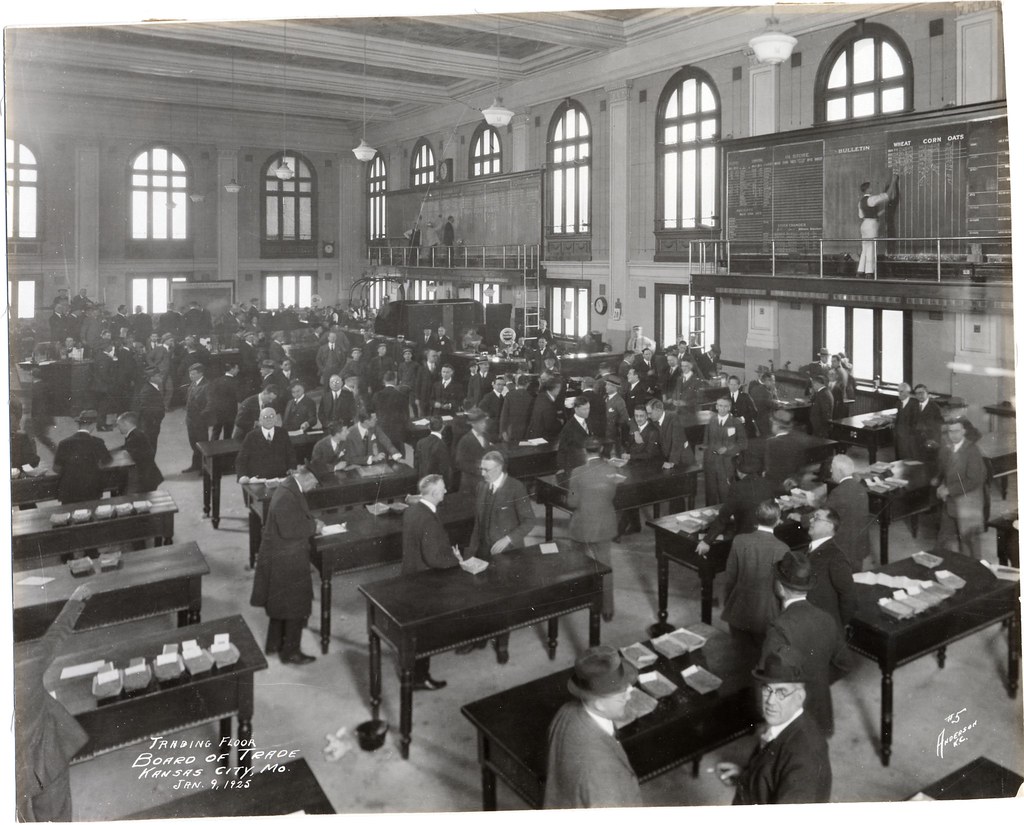
Beginning in the earliest years of the Twentieth Century, and carrying onward through 2013, from a trading pit in the heart of Kansas City, Missouri, the price of wheat, first, in the United States, then later, for countries the United States traded with, was influenced. Influenced by Kansas City traders. Traders who barked out “buy” and “sell” orders. Buy and sell orders correlated to futures contracts for Hard Red Winter Wheat.
Hard Red Winter Wheat futures contracts – the Kansas City Board of Trade.
Why was this exchange located Kansas City in the first place?
Soil and climate conditions in the Great Plains are perfect for growing wheat. So the trading operation for Hard Red Winter Wheat contracts was going to be based in the Midwest.
Wheat requires specific conditions in order to grow. Ample sunlight. Well-drained soil. Sufficient water. One additional requirement needed – with Hard Red Winter Wheat – is, exposure to the cold. To each point, Kansas City’s neighboring state to the west is…ideal.
So…Kansas City?
In the late-19th Century, the, “Why Kansas City?” question had a lot to do with where the wheat the traders were trading was coming from – Kansas.
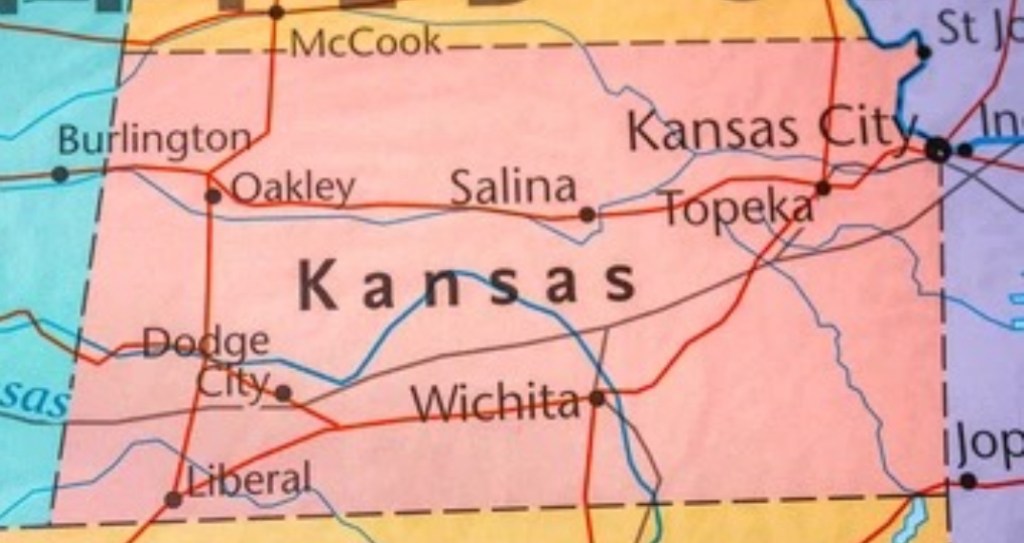
Known as the “Wheat State,” Kansas as a state -along with North Dakota – consistently leads the United States in wheat production.
For example…
Last year, Kansas had 7,600,000 acres allocated to the planting of wheat. Coupled to 7,150,00 acres of harvested wheat. That was last year. And one of the things that I personally love most about my home state of Kansas is, Kansas just doesn’t radically swing, from whim to whim, all that much. Well, to be more precise, Kansas doesn’t really swing from whim to whim, at all. Which brings us to the question of, “Why Kansas City?” for the Hard Red Winter Wheat exchange.
While there were 7,150,000 harvested acres of Kansas wheat in 2024, 106 years prior – in 1918 – there were 7,250,000 harvested acres of wheat in Kansas. Pretty much the same acreage total. In 1918. And in 1924. 7,000,000 acres.
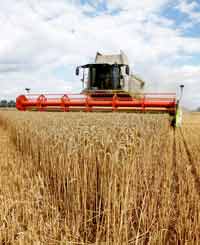
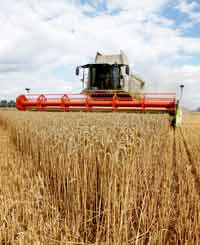
Step out of 1918 for a moment. And into 2024. While those small Kansas farm houses (and small Kansas farms) would no longer be. And while you will now see high-tech John Deere Combine Harvesters on those Kansas farms – complete with Wi-Fi…and a John Deere price tag, per Harvester, of between $700,000 and $1,000,000 – the “DNA” of the land from which Hard Red Winter Wheat had been harvested – and is still harvested today -pretty much, stayed the same.
7,000,000 Kansas acres of harvested wheat in 1918. 7,000,000 Kansas acres of harvested wheat in 2024.
Logistically, an exchange for the trading of Hard Red Winter Wheat contracts -and, for that matter, for a board of trade – which was based in Kansas City, just made sense. Long, long ago. And today as well. Kansas City was (and is) the “big city” for Kansas farmers. Perfect for a Hard Red Winter Wheat exchange.
The origin of the Kansas City Board of Trade traces back to its founding in the year 1856. Founded by a group of local merchants. Led by one Edward H. Allen.
Elected as the 10th mayor of Kansas City, Missouri, Edward H. Allen held the office in 1867 and 1868.
The idea for an exchange taking hold in Kansas City three years after Kansas City, Missouri itself was incorporated as a city. Which happened in 1853.
The trading of Hard Red Winter Wheat contracts…
Just as the trading floor at the New York Stock Exchange in Manhattan is no longer a crowded hub of frantic traders, scurrying their trades about, those traders who once roamed the pit at the Kansas City Board of Trade – early in the Twentieth Century, and up through 2013 – have so too been replaced. By automation.
In 2012, the Kansas City Board of Trade was purchased by the CME Group – formerly, the Chicago Mercantile Exchange.
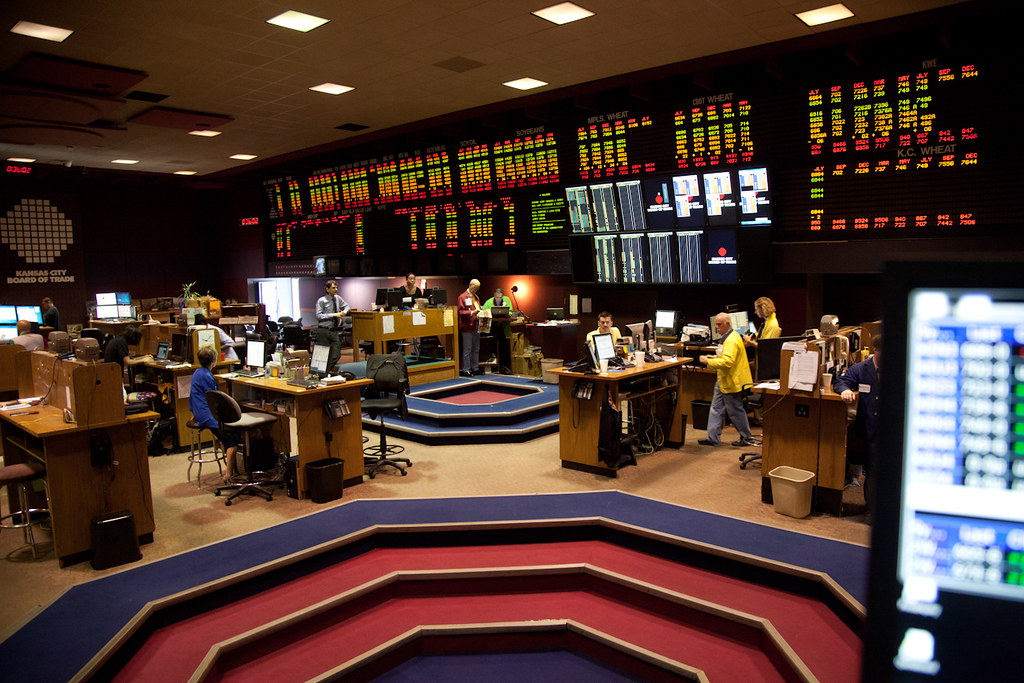
One year later, Kansas City’s trading floor – I.e.: the pit – was merged into the trading floor in Chicago. The trading of Hard Red Winter Wheat futures contracts on a Kansas City trading floor was no more.
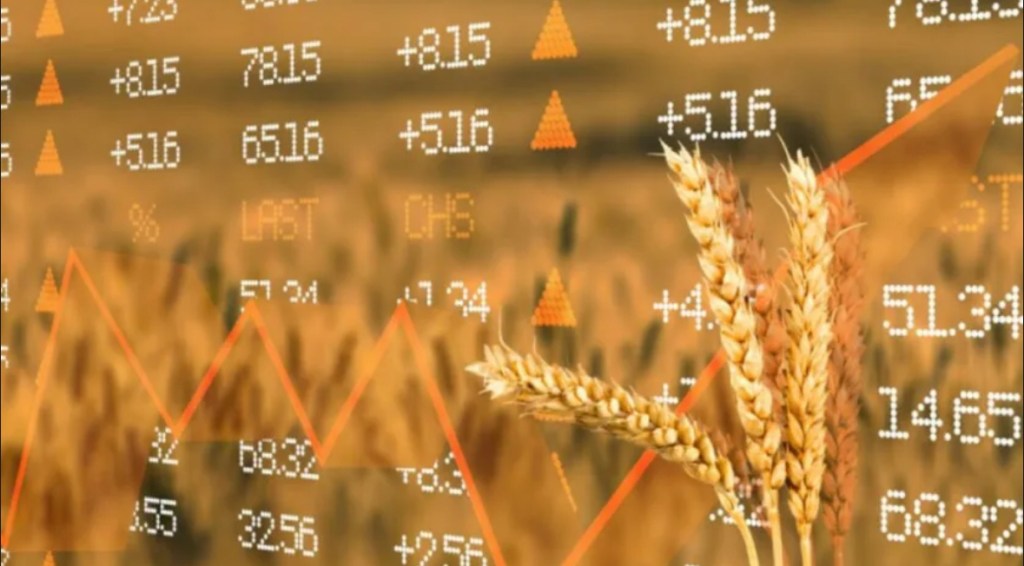
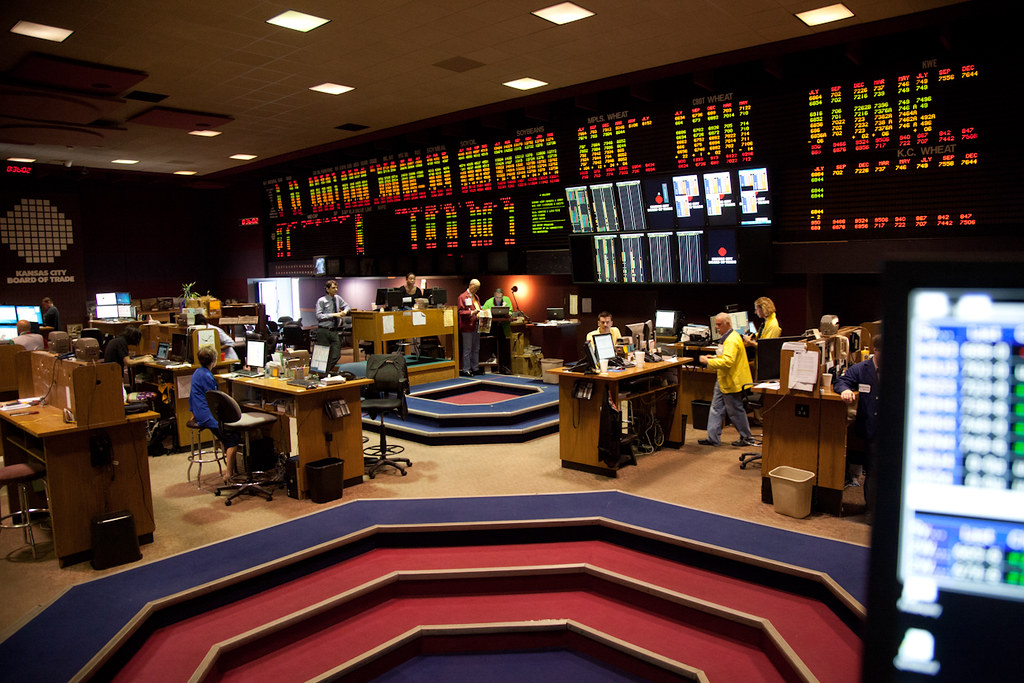
Two years later – in 2015 – CME’s trading floor itself was shut down. Replaced by automation. No pit in Kansas City. No pit in Chicago. The trading of Hard Red Winter Wheat futures contracts became… automated.
While that old trading floor for Hard Red Winter Wheat in Kansas City – and those busy wheat traders in the pit – is no longer in operation, whenever you add cold cuts and mayonnaise to your sandwich, the price of the wheat – which makes up about 15% of the total cost of the bread you use to surround your cold cuts – is still set in Kansas City at the Kansas City Board of Trade.
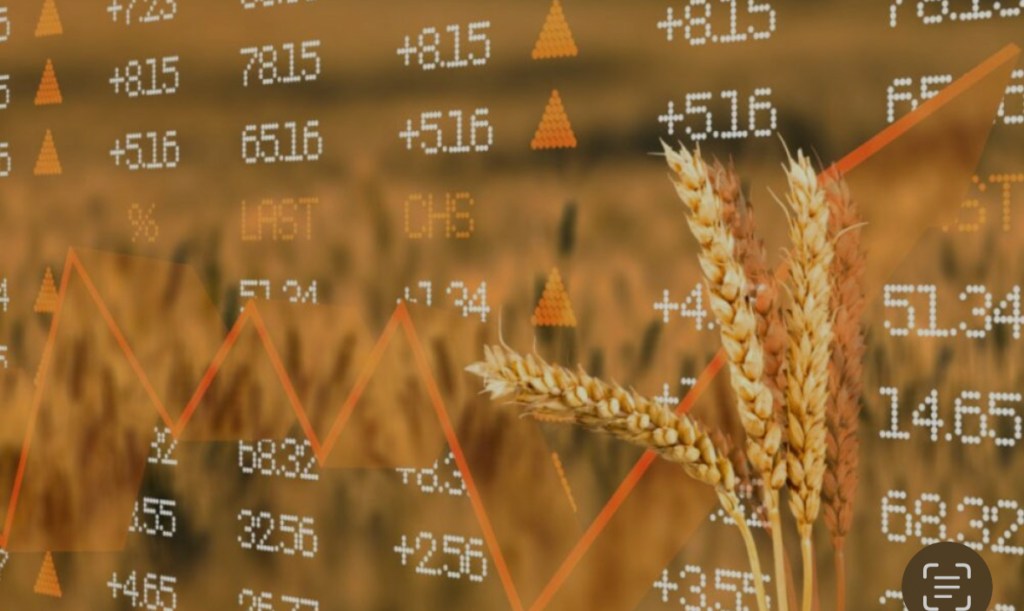
In 2025, the Kansas City Board of Trade continues to function as the primary trading platform for Hard Red Winter Wheat futures contracts. Hard Red Winter Wheat futures contracts are a determinant in the price of wheat. Then too, in the price that we ultimately pay a loaf of bread.
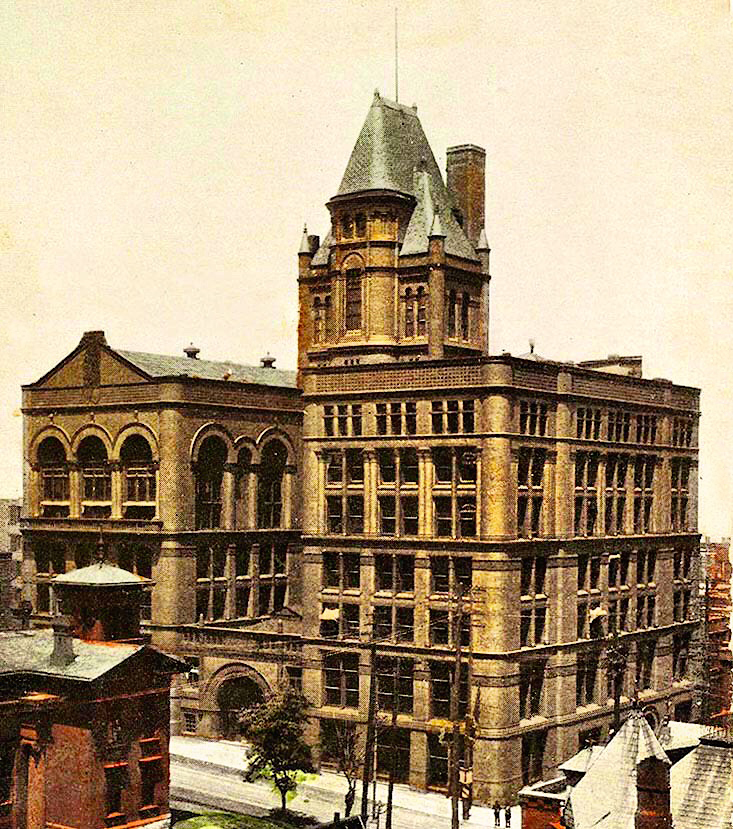
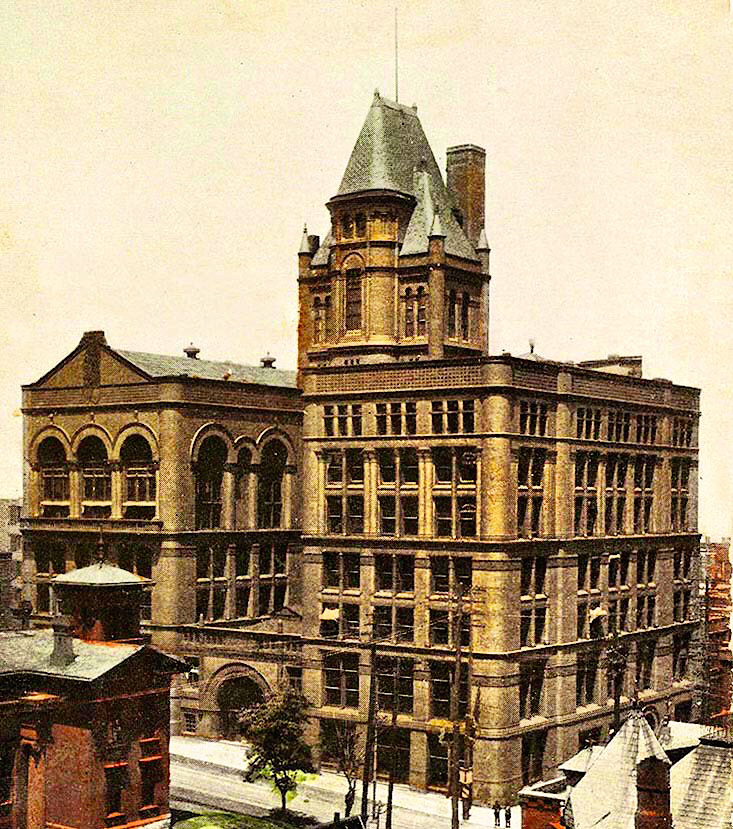
Interestingly, the Kansas City Board of Trade had been Kansas City’s original chamber of commerce. So, the origin for the trading of Hard Red Winter Wheat contracts in Kansas City started off as – and in – a chamber of commerce. At 8th and Wyandotte. In Kansas City, Missouri.
Local growers of Hard Red Winter Wheat. Local traders of Hard Red Winter Wheat. Local buyers of Hard Red Winter Wheat.
While the local growers of Hard Red Winter wheat are still there – Kansas produces over 300 million bushels of wheat each year…equating to roughly 20% of total wheat production in the United States…there is not much else which is entirely “local” when it comes to the Kansas City Board of Trade. And Hard Red Winter Wheat.
While 300 million bushels of Hard Red Winter Wheat is produced by 15,000 Kansas farmers each year. While the price of Hard Red Winter Wheat is set in Kansas City at the Kansas City Board of Trade. When it comes to the Kansas City Board of Trade – and Hard Red Winter Wheat – today, it would be wise to substitute the word “global” for “local.”

Local buyers of wheat? Kansas is an exporter. Each year, Kansas exports just about half of the 300 million bushels of Hard Red Winter Wheat harvested in the “Wheat State.”
As the world’s largest contiguous producer of winter wheat – that’s Kansas – having the price of Hard Red Winter Wheat still set in Kansas City is itself, poetic justice.
And establishing the exchange for the trading of wheat contracts in Kansas City – in the late stages of the 19th Century – turned out to be, rather fortuitous…
7,000,0000 acres of harvested wheat in Kansas in 1918. The price of Hard Red Winter Wheat set in Kansas City in 1918.
7,000,000 acres of harvested wheat in Kansas in 2024. The price of Hard Red Winter Wheat set in Kansas City in 2024.
Other than those $1,000,000 John Deere Combine Harvesters that you’ll see on Kansas farms in 2025 – coupled to the fact that Kansas, while a local grower, is really an international exporter – much, does look, feel and operate the same.
Acreage. Crop. Exchange. 1918. 2024. When in comes to American wheat, the more things change the more things stay the same – Kansas City.
The price of wheat in 1918…
The price of wheat in 2025…
The Kansas City Board of Trade.
Kansas City Board of Trade
The price of wheat…
Beginning in the earliest years of the Twentieth Century, and carrying onward through 2013, from a trading pit in the heart of Kansas City, Missouri, the price of wheat, first, in the United States, then later, for countries the United States traded with, was influenced. Influenced by Kansas City traders. Traders who barked out “buy” and “sell” orders. Buy and sell orders correlated to futures contracts for Hard Red Winter Wheat.
Hard Red Winter Wheat futures contracts – the Kansas City Board of Trade.
Why was this exchange located Kansas City in the first place?
Soil and climate conditions in the Great Plains are perfect for growing wheat. So the trading operation for Hard Red Winter Wheat contracts was going to be based in the Midwest.
Wheat requires specific conditions in order to grow. Ample sunlight. Well-drained soil. Sufficient water. One additional requirement needed – with Hard Red Winter Wheat – is, exposure to the cold. To each point, Kansas City’s neighboring state to the west is…ideal.
So…Kansas City?
In the late-19th Century, the, “Why Kansas City?” question had a lot to do with where the wheat the traders were trading was coming from – Kansas.
Known as the “Wheat State,” Kansas as a state -along with North Dakota – consistently leads the United States in wheat production.
For example…
Last year, Kansas had 7,600,000 acres allocated to the planting of wheat. Coupled to 7,150,00 acres of harvested wheat. That was last year. And one of the things that I personally love most about my home state of Kansas is, Kansas just doesn’t radically swing, from whim to whim, all that much. Well, to be more precise, Kansas doesn’t really swing from whim to whim, at all. Which brings us to the question of, “Why Kansas City?” for the Hard Red Winter Wheat exchange.
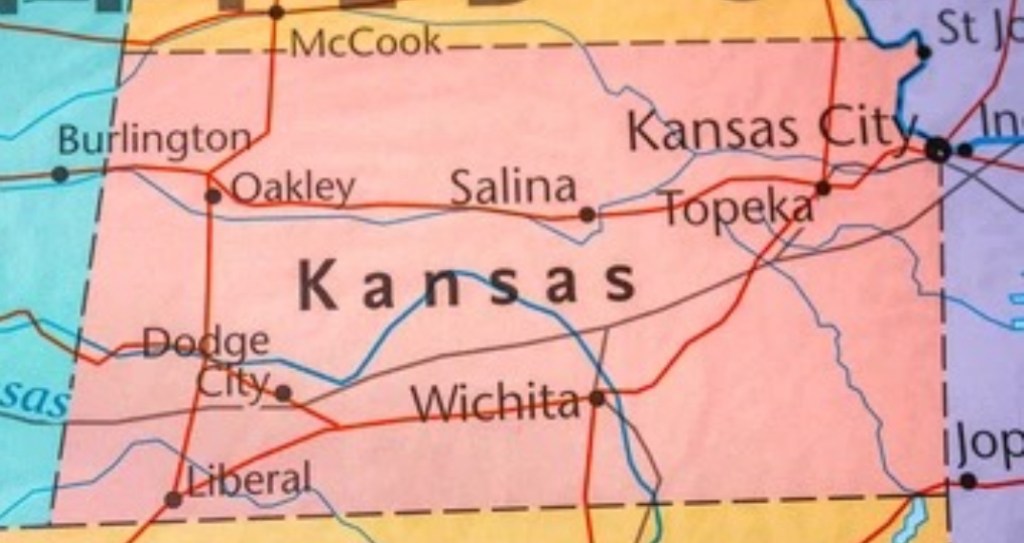
While there were 7,150,000 harvested acres of Kansas wheat in 2024, 106 years prior – in 1918 – there were 7,250,000 harvested acres of wheat in Kansas. Pretty much the same acreage total. In 1918. And in 1924. 7,000,000 acres.
Step out of 1918 for a moment. And into 2024. While those small Kansas farm houses (and small Kansas farms) would no longer be. And while you will now see high-tech John Deere Combine Harvesters on those Kansas farms – complete with Wi-Fi…and a John Deere price tag, per Harvester, of between $700,000 and $1,000,000 – the “DNA” of the land from which Hard Red Winter Wheat had been harvested – and is still harvested today -pretty much, stayed the same.
7,000,000 Kansas acres of harvested wheat in 1918. 7,000,000 Kansas acres of harvested wheat in 2024.
Logistically, an exchange for the trading of Hard Red Winter Wheat contracts -and, for that matter, for a board of trade – which was based in Kansas City, just made sense. Long, long ago. And today as well. Kansas City was (and is) the “big city” for Kansas farmers. Perfect for a Hard Red Winter Wheat exchange.
The origin of the Kansas City Board of Trade traces back to its founding in the year 1856. Founded by a group of local merchants. Led by one Edward H. Allen.
Elected as the 10th mayor of Kansas City, Missouri, Edward H. Allen held the office in 1867 and 1868.
The idea for an exchange taking hold in Kansas City three years after Kansas City, Missouri itself was incorporated as a city. Which happened in 1853.
The trading of Hard Red Winter Wheat contracts…
Just as the trading floor at the New York Stock Exchange in Manhattan is no longer a crowded hub of frantic traders, scurrying their trades about, those traders who once roamed the pit at the Kansas City Board of Trade – early in the Twentieth Century, and up through 2013 – have so too been replaced. By automation.
In 2012, the Kansas City Board of Trade was purchased by the CME Group – formerly, the Chicago Mercantile Exchange.
One year later, Kansas City’s trading floor – I.e.: the pit – was merged into the trading floor in Chicago. The trading of Hard Red Winter Wheat futures contracts on a Kansas City trading floor was no more.
Two years later – in 2015 – CME’s trading floor itself was shut down. Replaced by automation. No pit in Kansas City. No pit in Chicago. The trading of Hard Red Winter Wheat futures contracts became… automated.
While that old trading floor for Hard Red Winter Wheat in Kansas City – and those busy wheat traders in the pit – is no longer in operation, whenever you add cold cuts and mayonnaise to your sandwich, the price of the wheat – which makes up about 15% of the total cost of the bread you use to surround your cold cuts – is still set in Kansas City at the Kansas City Board of Trade.
In 2025, the Kansas City Board of Trade continues to function as the primary trading platform for Hard Red Winter Wheat futures contracts. Hard Red Winter Wheat futures contracts are a determinant in the price of wheat. Then too, in the price that we ultimately pay a loaf of bread.
Interestingly, the Kansas City Board of Trade had been Kansas City’s original chamber of commerce. So, the origin for the trading of Hard Red Winter Wheat contracts in Kansas City started off as – and in – a chamber of commerce. At 8th and Wyandotte. In Kansas City, Missouri.
Local growers of Hard Red Winter Wheat. Local traders of Hard Red Winter Wheat. Local buyers of Hard Red Winter Wheat.
While the local growers of Hard Red Winter wheat are still there – Kansas produces over 300 million bushels of wheat each year…equating to roughly 20% of total wheat production in the United States…there is not much else which is entirely “local” when it comes to the Kansas City Board of Trade. And Hard Red Winter Wheat.
While 300 million bushels of Hard Red Winter Wheat is produced by 15,000 Kansas farmers each year. While the price of Hard Red Winter Wheat is set in Kansas City at the Kansas City Board of Trade. When it comes to the Kansas City Board of Trade – and Hard Red Winter Wheat – today, it would be wise to substitute the word “global” for “local.”

Local buyers of wheat? Kansas is an exporter. Each year, Kansas exports just about half of the 300 million bushels of Hard Red Winter Wheat harvested in the “Wheat State.”
As the world’s largest contiguous producer of winter wheat – that’s Kansas – having the price of Hard Red Winter Wheat still set in Kansas City is itself, poetic justice.
And establishing the exchange for the trading of wheat contracts in Kansas City – in the late stages of the 19th Century – turned out to be, rather fortuitous…
7,000,0000 acres of harvested wheat in Kansas in 1918. The price of Hard Red Winter Wheat set in Kansas City in 1918.
7,000,000 acres of harvested wheat in Kansas in 2024. The price of Hard Red Winter Wheat set in Kansas City in 2024.
Other than those $1,000,000 John Deere Combine Harvesters that you’ll see on Kansas farms in 2025 – coupled to the fact that Kansas, while a local grower, is really an international exporter – much, does look, feel and operate the same.
Acreage. Crop. Exchange. 1918. 2024. When in comes to American wheat, the more things change the more things stay the same – Kansas City.
The price of wheat in 1918…
The price of wheat in 2025…
The Kansas City Board of Trade.
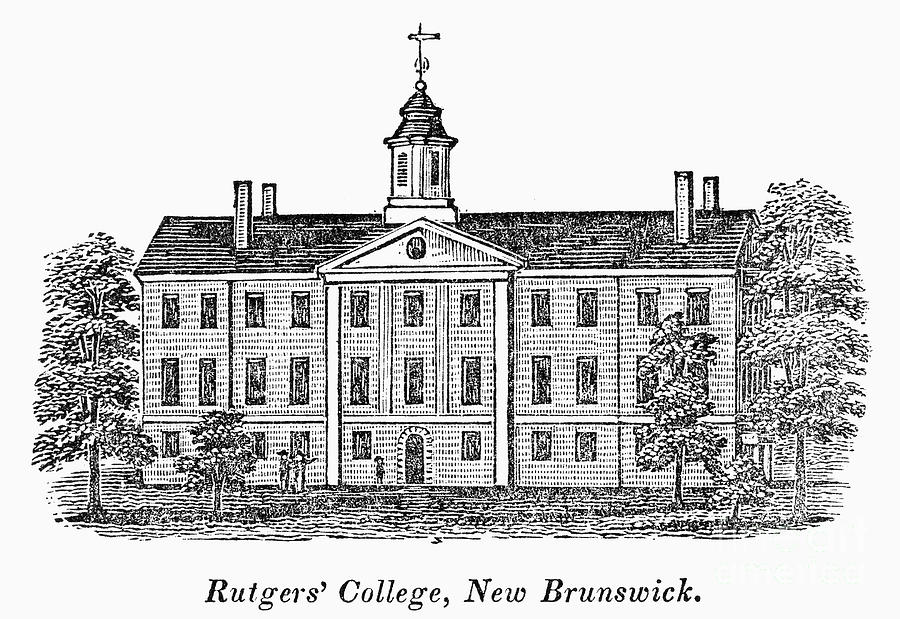
…how Rutgers University came to be.

Rutgers, The State University of New Jersey was founded – originally as a seminary – in 1766.
Founded by William Franklin. William Franklin, son of Benjamin Franklin.
Although, upon its founding, this college, located in New Brunswick along the Raritan River, was not known as Rutgers.
The name Rutgers was affixed to the New Brunswick college 59 years after its founding. In 1825. “Rutgers,” selected to honor Revolutionary War veteran Colonel Henry Rugers. Between the year of its founding – in 1766 – and the year Rutgers was selected as the college’s name, in the honor of Henry Rutgers – in 1825 – Rutgers had been Queens College. Then, for the next one hundred years, it was Rutgers College.
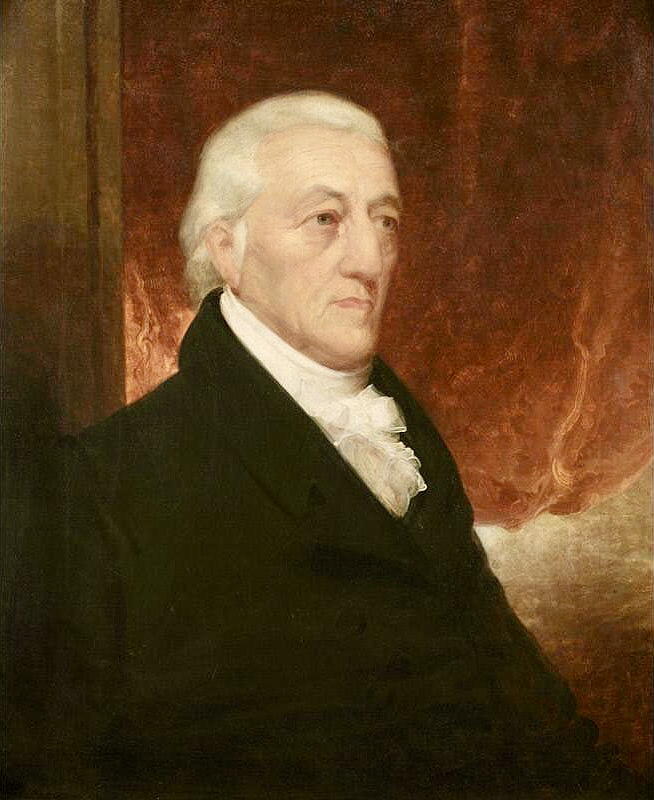
Henry Rutgers…
Born in New York City in 1745 – and in 1745, that would have been, the Province of New York, British America, as New York was still under British rule when Henry Rutgers was born – Henry Rutgers served as a New York state assemblyman. He was a graduate of Columbia University (then, King’s College),
A prominent New York landowner, Henry Rutgers donated much of his land to local New York City schools, charities, and churches. In Manhattan, if you have ever driven down Henry Street or Rutgers Street, those streets were named after Henry Rutgers.
Rutgers College – then Queens College – adopted Henry Rutgers’ name upon receiving a much needed financial infusion from Henry Rutgers.
Through Henry Rutgers’ generosity, prospects for the then-struggling Queens College to continue on as an institution of higher learning, brightened.
At the time of Henry Rutgers’ financial contribution, Queens College had incurred a multi-year shutdown. Its finances, and its future, cast astray as a byproduct of the challenging economic times the United States went through upon the conclusion of the War of 1812.
The University of Newark joined the Rutgers family in 1946. As Rutgers University-Newark.
The College of South Jersey joined the Rutgers family in 1950. As Rutgers University- Camden.
Rutgers is the second oldest university in New Jersey. Founded 20 years prior to Queens College’s founding, Princeton – which had been the College of New Jersey from 1746 until 1896 – is the oldest New Jersey university.
Rutgers’ Board of Trustees consists of 41 voting members. Rutgers’ Border of Trustees functions in an advisory capacity to Rutgers’ Board of Governors.
Rutgers’ Board of Governors consists of 15 voting members. Rutgers’ president is a non voting Board member.
Three of the 15 members of Rutgers’ Board of Governors are voting members, selected by the Rutgers University Senate. Three representatives – selected by the University Senate – are non voting representatives.
Eight members of Rutgers’ Board of Governors are appointed by the New Jersey governor. Seven members are selected by the Board of Trustees. For the 8 members appointed by the New Jersey Governor, confirmation for each member by the New Jersey Senate is required.
The president of Rutgers is a nonvoting Board of Trustees member. Rutgers’ University Senate selects two members of the faculty – as well as two students – as non voting representatives.
The selection of the 41 voting members of the Board of Trustees is done in accordance with State law.
There are 20 charter members. Three of the 20 charter members must be women.
Sixteen Trustees are Rutgers alumni, each of whom is nominated for Board membership by the Nominating Committee of the Board of Trustees.
Five Trustees are public members, appointed by the governor. The five public members who are appointed by the governor require confirmation by the New Jersey State Senate.
The president of Rutgers is selected by the university’s Board of Governors. The Board of Governors oversees the process of identifying the president, while overseeing the Presidential Search Committee.
Rutgers’ Presidential Search Committee develops a profile of prospective candidates…submitting recommendations of potential university presidents to Rutgers’ Board of Governors.
Rutgers’ Board of Governors, upon receiving recommendations and feedback from the Presidential Search Committee, ultimately selects the university president.
On two separate occasions – resulting from acts taken by the New Jersey Legislature – Rutgers was designated as the official state university of New Jersey. New Jersey’s legislature granted Rutgers this distinction in 1945. And once again, in 1956.
ROI – outdoor kitchens and fire pits
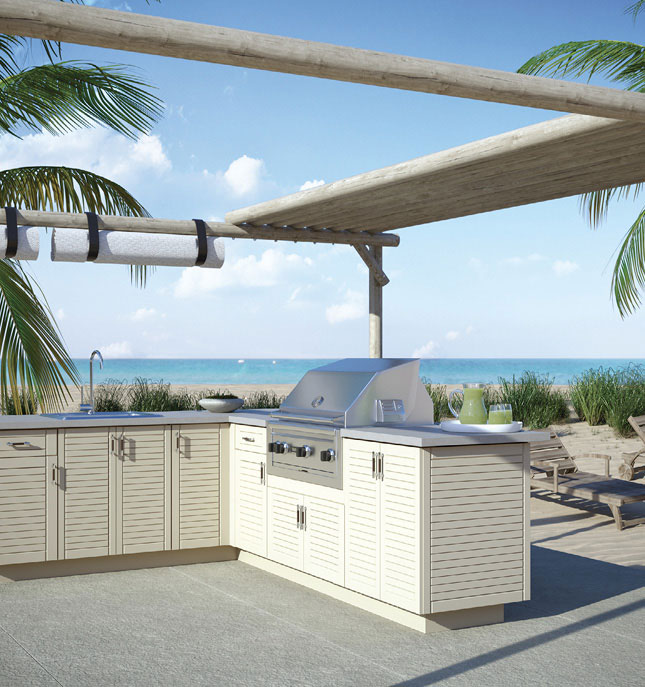
Think of those captivating outdoor kitchen designs you fell head-over-heels in love with while you were scrolling through the pages of Unique Homes. Or while being online through Dwell. Or Dezeen. Or Home and Design.
When thinking through ideas which enhance outdoor living space, your wallet – I.e.: economics – is a factor. Economics will affect your decision. The proverbial… “Yes, we should…” Or, “No, we shouldn’t …”
Rather than allowing your wallet to prevent you from converting your backyard into THE destination point for friends, for family and for admiringly-curious neighbors, transitioning your backyard into the local must-see, data suggests, can be a wise financial move on your part.
To this effect, let’s look at how two trend-setting hardscaping ideas in 2025 not only enable your interior living space to seamlessly flow into your now-great outdoors. Let’s also look at how smart hardscaping decisions also equate to…GOOD ECONOMICS.
For example…
Throwing burgers on the grill while you take in the crispness of fresh evening air? This is an experience best brought to life for you with an outdoor kitchen. Yes, start preparing your steaks outside. Confidently knowing that the fabulous outdoor living features you now own are the fruition of money well spent.
Your inset grill. Those stainless steel drawers. The built-in ice chest and sink. Touched off by the granite or the concrete – your choice – counter space.
According to Remodeling Magazine and CNN Money, adding an outdoor kitchen can yield between a 100% and 200% ROI. Dependent upon, of course, how extensive your design is.
In the 2023 Remodeling Impact Report – published by the National Association of Realtors – by adding that outdoor kitchen you’ve been thinking about, what can you expect as your return on investment? A 100% ROI.
Or…think about an evening with the adults out back. Enjoying cocktails-and-conversation on a cool, brisk autumn evening. With a fire safely and brightly simmering in your fire pit.
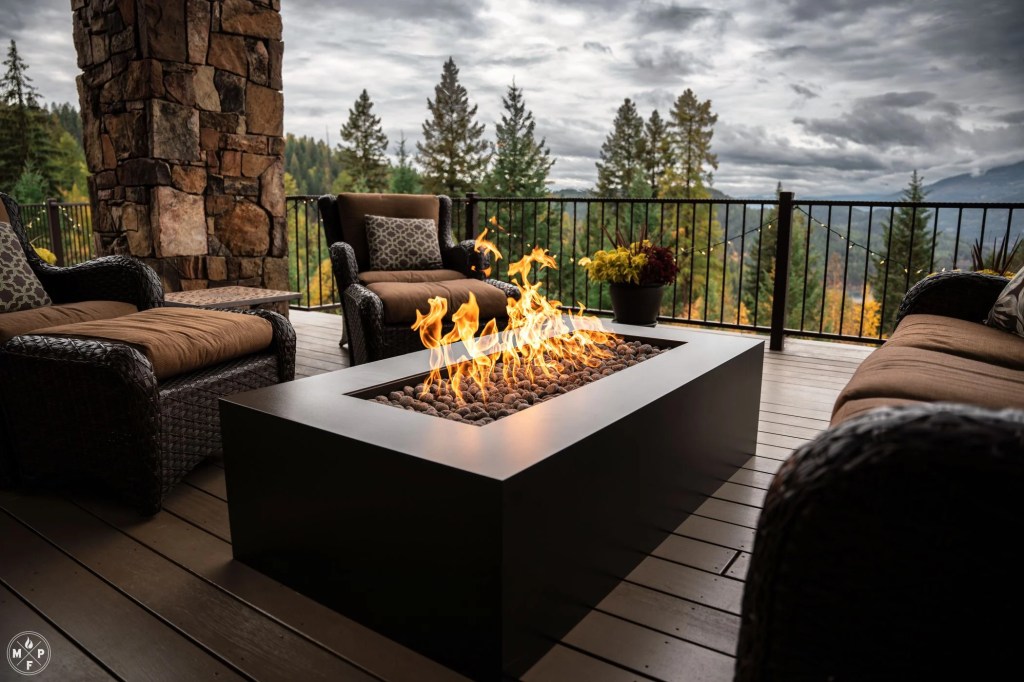
Come to think of it, it is truly a wonder how any backyard at all doesn’t have a fire pit.
According to the National Association of Realtors, as well as the National Association of Landscape Professionals, the ROI you can expect by adding a fire pit? A 56% ROI.
Enhancing memories in your backyard? Check.
Loving your home even a little bit more? Check.
A good ROI? Check.
All that’s left is…to start dreaming about your very own customized design.
The Ironbound
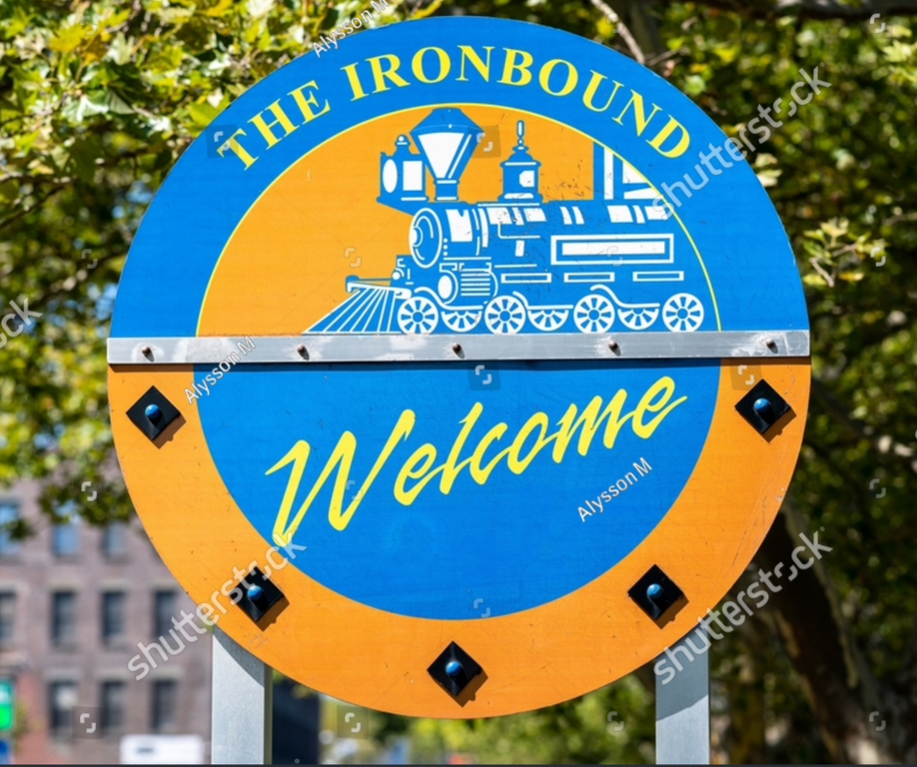
The story behind the iconic name linked to one four square mile section within Newark’s East Ward just east of Penn Station is somewhat argumentative.
While it is somewhat subjective how this Newark neighborhood became The Ironbound, no argument can be made that the origin for this name we are referring to – The Ironbound – came about as a result of what was going on in this Newark neighborhood in the early part of the 19th Century.
Newark was emerging as one of the preeminent United States manufacturing centers. Trains. Lots of trains. Freight trains. Lots of freight trains. Train tracks. Lots of train tracks. And within that network of Newark train tracks is where we find our origin for “The Ironbound” name.
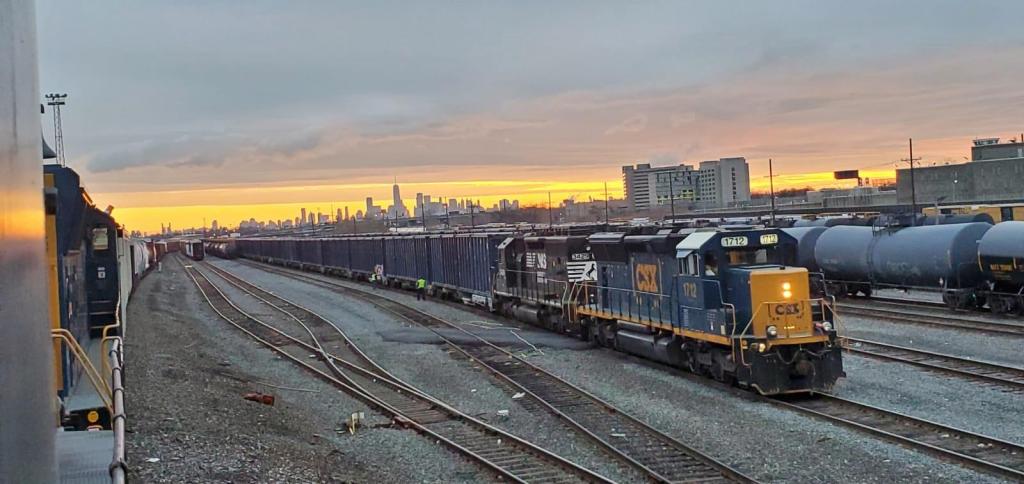
Newark was transitioning away from being an agricultural economy. To its new identity. As an economy built around heavy industry. Freight trains played a major role in the success of Newark’s economic transition.
By the 1830’s, rail had become the most efficient way to transport the finished manufactured goods which were being made in Newark to outside markets. Where they could then be sold.
During the first half of the 19th century – with this advent of rail – what once had been a section of the city, strewn with swamps and farms, was going through a seismic change. It was becoming a neighborhood dominated by heavy industry. The Ironbound. Surrounded by trains tracks. Train tracks everywhere. Hence, the origin for our name, “The Ironbound.” Train tracks. Lots and lots of train tracks. In this four square mile Newark neighborhood. The Ironbound.
There is an alternative point-of-beginning for the name “The Ironbound.” One attributed not to this network of train tracks in Newark’s East Ward. But rather, to the preeminence of metalworking, forges and foundries found in The Ironbound in the mid-19th Century.
A portion of the reasoning for linking the origin of The Ironbound name to 19th Century metalworking – rather than (primarily) to rail – could be found in knowing that train tracks are made of steel. Not iron. But, a caveat…
It was in the mid-19th Century – after The Ironbound already began to transition from farming to heavy industry – that, for the very first time, steel rails could even be thought of as being used as a possible replacement for the iron rails which were always used (up until that time) to lay tracks.
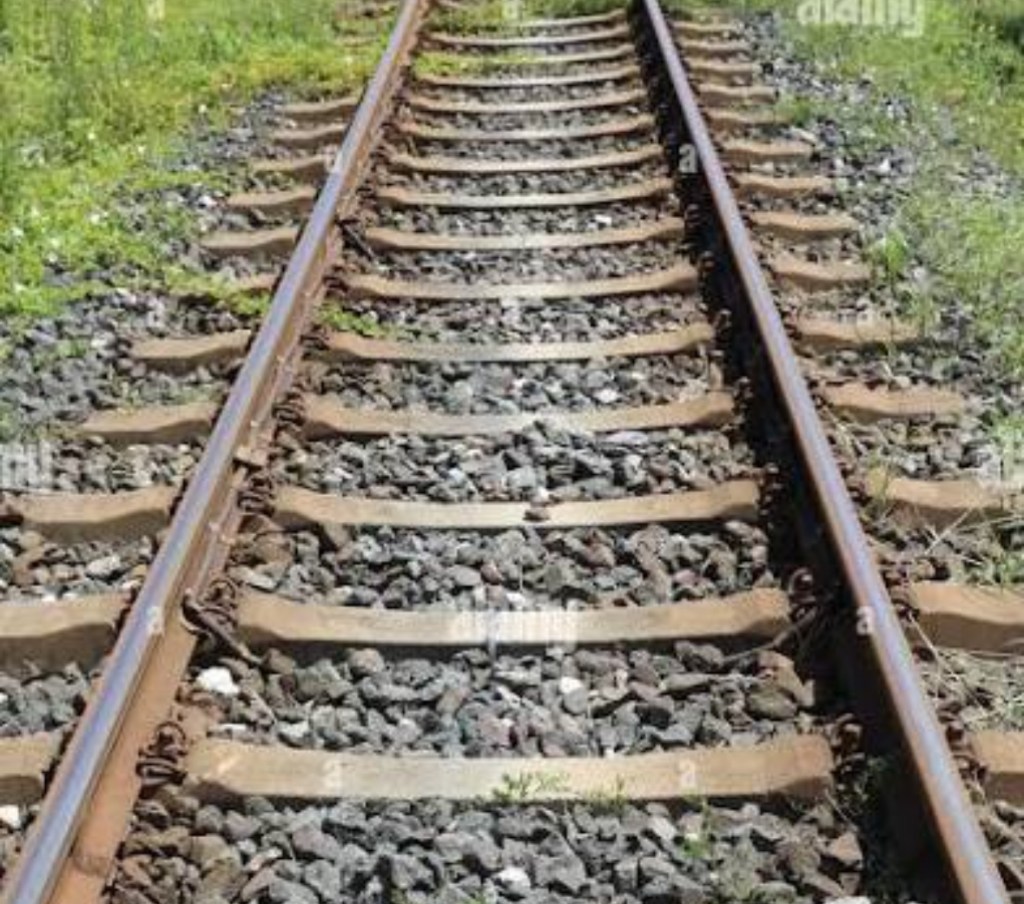
The first steel rails – ever used – were laid in Britain. In 1857. 1857…twenty-one years after Newark Broad Street Station opened. As Newark’s first freight station.
So, when those 19th Century trains roared into – and out of – The Ironbound, those 19th Century tracks the trains rode on were made of iron. Not steel. Hence, The Ironbound.
For those who believe the origin for The Ironbound name is based upon foundries…Seth Boyden.
Seth Boyden opened the first malleable iron foundry in the United States which was capable of producing the buckles and the harnesses which, when used together, then made up the two primary ingredients for the carriage industry. Boyden’s Newark’s foundry was the Malleable Cast Iron Foundry and Condit. The Malleable Foundry and Condit was established in The Ironbound. On Orange Street.
Balbach and Sons Refining and Smelting Company – once the second largest metal processing enterprise in the United States – was located where one now finds Riverbank Park in The Ironbound.
The Oscar Barnet Foundry was located on McWhorter Street in The Ironbound.
Foundries, metalworking and forges. Yet morseso than the foundries which once flourished in The Ironbound, The Ironbound name is most visibly seen today when you drive by 91 Bay Avenue – Oak Island Yard.
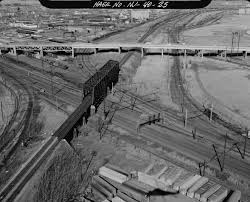
Opened in 1903, just about one thousand train cars travel through Oak Island Yard in The Ironbound…to this day.
The Ironbound name? It was those train tracks in The Ironbound. Those iron train tracks.
The Ironbound
The story behind the iconic name linked to one four square mile section within Newark’s East Ward just east of Penn Station is somewhat argumentative.
While it is somewhat subjective how this Newark neighborhood became The Ironbound, no argument can be made that the origin for this name we are referring to – The Ironbound – came about as a result of what was going on in this Newark neighborhood in the early part of the 19th Century.
Newark was emerging as one of the preeminent United States manufacturing centers. Trains. Lots of trains. Freight trains. Lots of freight trains. Train tracks. Lots of train tracks. And within that network of Newark train tracks is where we find our origin for “The Ironbound” name.
Newark was transitioning away from being an agricultural economy. To its new identity. As an economy built around heavy industry. Freight trains played a major role in the success of Newark’s economic transition.
By the 1830’s, rail had become the most efficient way to transport the finished manufactured goods which were being made in Newark to outside markets. Where they could then be sold.
During the first half of the 19th century – with this advent of rail – what once had been a section of the city, strewn with swamps and farms, was going through a seismic change. It was becoming a neighborhood dominated by heavy industry. The Ironbound. Surrounded by trains tracks. Train tracks everywhere. Hence, the origin for our name, “The Ironbound.” Train tracks. Lots and lots of train tracks. In this four square mile Newark neighborhood. The Ironbound.
There is an alternative point-of-beginning for the name “The Ironbound.” One attributed not to this network of train tracks in Newark’s East Ward. But rather, to the preeminence of metalworking, forges and foundries found in The Ironbound in the mid-19th Century.
A portion of the reasoning for linking the origin of The Ironbound name to 19th Century metalworking – rather than (primarily) to rail – could be found in knowing that train tracks are made of steel. Not iron. But, a caveat…
It was in the mid-19th Century – after The Ironbound already began to transition from farming to heavy industry – that, for the very first time, steel rails could even be thought of as being used as a possible replacement for the iron rails which were always used (up until that time) to lay tracks. The first steel rails – ever used – were laid in Britain. In 1857. 1857…twenty-one years after Newark Broad Street Station opened. As Newark’s first freight station.
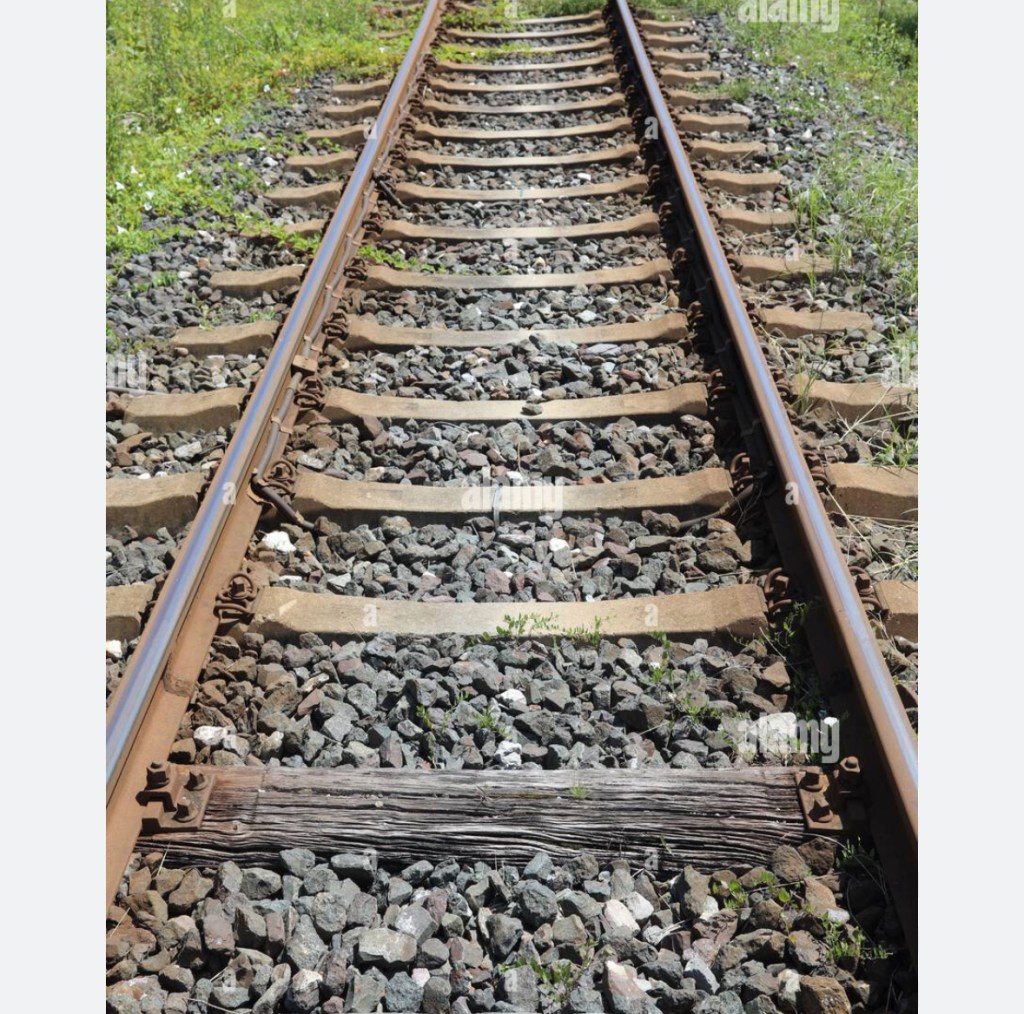
So, when those 19th Century trains roared into – and out of – The Ironbound, those 19th Century tracks the trains rode on were made of iron. Not steel. Hence, The Ironbound.
For those who believe the origin for The Ironbound name is based upon foundries…Seth Boyden.
Seth Boyden opened the first malleable iron foundry in the United States which was capable of producing the buckles and the harnesses which, when used together, then made up the two primary ingredients for the carriage industry. Boyden’s Newark’s foundry was the Malleable Cast Iron Foundry and Condit. The Malleable Foundry and Condit was established in The Ironbound. On Orange Street.
Balbach and Sons Refining and Smelting Company – once the second largest metal processing enterprise in the United States – was located where one now finds Riverbank Park in The Ironbound.
The Oscar Barnet Foundry was located on McWhorter Street in The Ironbound.
Foundries, metalworking and forges. Yet morseso than the foundries which once flourished in The Ironbound, The Ironbound name is most visibly seen today when you drive by 91 Bay Avenue – Oak Island Yard.
Opened in 1903, just about one thousand train cars travel through Oak Island Yard in The Ironbound…to this day.
The Ironbound name? It was those train tracks in The Ironbound. Those iron train tracks.
Shadow Inventory
Uninhabited real estate. Vacant homes. Vacant lots. Distressed homes. Each, categorized as shadow inventory.
Properties in foreclosure. Bank REO’s. Properties which will soon be listed for sale…but have not yet been listed for sale. Shadow inventory. City-owned properties? These properties should be included in the same category – shadow inventory. But they’re not.
Shadow inventory is all too often overlooked as a property category through which the provision of increased access to affordable homes can be expanded in neighborhoods where limited opportunities to find affordable housing now exists.
Distressed properties make up a significant portion of shadow inventory. Distressed properties sell at lower prices than do properties which are in good condition. Accordingly, sales of shadow inventory homes can contribute to lower area home values. Yet these lower shadow inventory sale prices create affordable housing opportunities. Through the lower sale prices. As such, the acquisition of a shadow inventory home could enable a buyer to gain access to affordable housing..
Properties in foreclosure. Bank REO’s. Shadow inventory. Once again, how about city-owned properties?
City-owned properties would not necessarily be classified as “shadow inventory.” Classifications aside, one upside found in purchasing a foreclosed home – or a bank REO – can also be found in purchasing a city-owned property. This upside being, an opportunity to get into a home of your own. Affordably.
Benefits found in shadow inventory homes are not bestowed only upon those who are looking to find affordable housing opportunities.
Acquiring shadow inventory – and city-owned properties – creates a nice opportunity for real estate developers. As developers are able to acquire shadow inventory and city-owned properties at less-than-market sale prices.
Then, as developers reposition shadow inventory and city-owned properties to “performing properties,” developers are able to put the now-performing properties on the market. Selling the properties they purchased at less-than-market prices at market prices. In a limited inventory market. A profitable exercise.
Affordable housing advocates…this is one good path to consider.
Real estate developers…this is one good path to consider.
It’s rather ironic, yet factually accurate, that for-profit real estate developers are able to benefit by following along the same pathway that affordable housing advocates travel. Yet this is a unique situation we do have, within the space of identifying benefits attributed to purchasing shadow inventory and city-owned properties.
Is what we are talking about here a liberal real estate path? Or is this a conservative real estate path? Is this a real estate path for FOX viewers? Or is this a real estate path for MSNBC viewers. The answer is, All of the above.
 Thinking About Becoming a Real Estate Developer?