Rumson, New Jersey…in the very beginning.


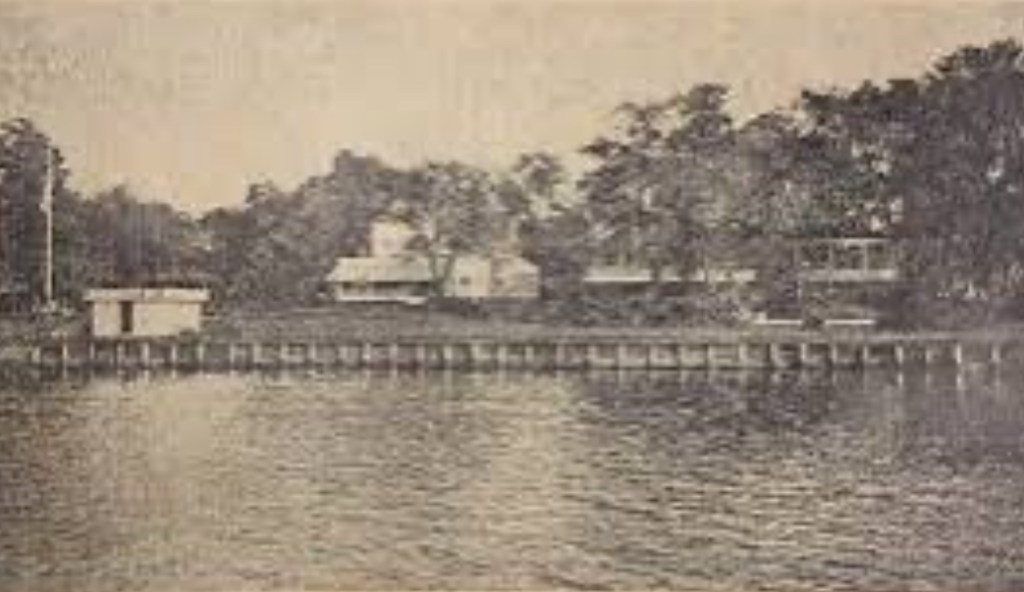
The Borough of Rumson is a charming seven square mile bedroom community of New York City. With two of those seven square miles, consisting of water.

Rumson is home to a tad more than 7,000. Long, long before Rumson became Rumson, Rumson was Navarumsunk. Or, Narumsum. 

Today’s Rumson was once Navarumsunk. This, when territory including the 7 square miles which would one day become Rumson was purchased by English settlers. English settlers who migrated to the area from New England. And from Long Island. English sellers purchased Navarumsunk from the Lenape Indians.

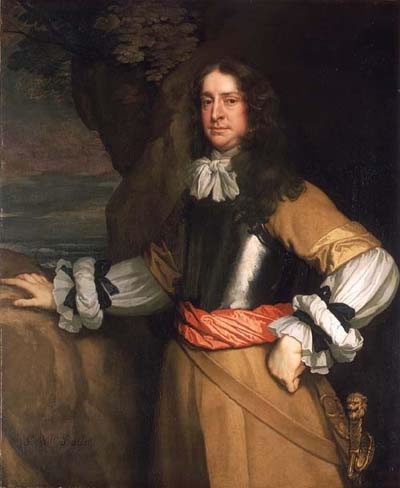
Negotiations for the sale of Navarumsunk to English settlers began in 1663. Two years later, Governor Richard Nicholls confirmed the land purchase. By way of the Monmouth Patent. The year was 1665.

Through attrition, over time, due to, in a nutshell, shall we say, convenience, the longer Indian denomination of Navarumsunk was shortened. Shortened, to Rumson

The origin for the borough’s name – Rumson – is seen in naming assigned by Native Americans. Navarumsunk. Navarumsum. Rumson.

Today’s Rumson resulted from this 17th Century land purchase. A sprawling acquisition of land, this sale by the Lenape, certainly was. Land sold consisted of one tract of land nestled in between the Navesink River and the Shrewsbury River.

Extending from today’s Sea Bright, to the east. Flowing west, to tributaries emptying into the Shrewsbury River. Today’s Rumson. 

Held by the English, Navarumsunk became Ramson’s Neck.

Ramson’s Neck was never a township. Ramson’s Neck was never a settlement. Ramson’s Neck included what would go on to become Rumson. 

The catalyst for our 1665 land purchase which became Ramson’s Neck, a section of which, later becoming Rumson, was found across “the Pond” – English colonial expansion.

A land conveyance by royalty in Great Britain can be pointed to as the reason there was a Ramson’s Neck. This same royal land conveyance also led to the establishment of Monmouth County. This was a conveyance of land in what was then Dutch territory – New Netherlands.

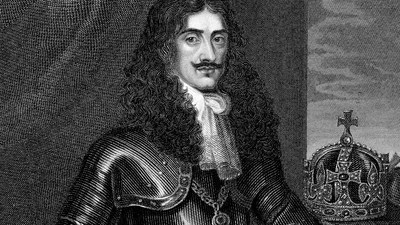
England’s king at the time was King Charles II. Charles II granted land in New Netherlands to his brother, James. The Duke of York.

The king granted to the duke a tract of unsettled land inclusive of today’s Monmouth County.

At the time of conveyance – from king, to Duke – New Netherlands was controlled by the Dutch. The English had their sight on taking this Dutch region for themselves. This, a land mass extending from what today would be Connecticut, going due south, to today what would be Delaware.

Charles II granted this entire Mid-Atlantic region – from Connecticut to Delaware – to his brother. James. The Duke of York. 

Upon receiving this land from his brother, the King of England, Duke of York authorized Governor Richard Nicholls to commence settlements. Settlements in what was still the Dutch’s New Netherlands.

Underpinnings for English settlements in Dutch territory emanated from the Monmouth Patent. 

The Monmouth Patent, understood best, within our context, was the assumption by Governor Richard Nicholls of a responsibility. A responsibility bestowed upon Governor Nicholls by the Duke of York.

The responsibility? To attract one hundred families to settle in this Mid-Atlantic Dutch territory. By 1668. Three years to accomplish the settlement threshold. Which led to, the Nicholls grant. With Governor Nicholls providing land grants for settlement.

The Nicholls grant was for land in Monmouth County, Ocean County and Middlesex County. Monmouth County, in which our Borough of Rumson resides.

Establishment of one hundred new English settlements within three years, aligned with the Monmouth Patent, included a prerequisite. A condition.

A condition was attached by Great Britain to Governor Nicholls’ land grants.

In order for what today is Monmouth County, Ocean County and Middlesex County to not revert back to the Duke of York from Governor Nicholls one hundred settlements were to take hold within the three year allotment.

The very first English settlers to arrive by way of Nicholls grants went in Shrewsbury village.

The Nicholls grant bestowed upon settlers a broad discretion. This, to govern themselves.

The “carrot” of self governance. An enticement to settle. These settlers were called, Patentees. Aptly named, because at the very core, these settlements came through the Monmouth Patent.

The Monmouth Patent, the Nicholls grant and Patentees. Emanating from Great Britain. The colonial goal? To establish one hundred new English settlements over three years. In Dutch territory. The expansionist colonial mindset of the British Empire.

The Monmouth Patent hit a bump in the road. British expansion, struck, and removed from uninterrupted accord. 

In 1674, the Dutch recaptured their New Netherlands territory. Taken back. From the English. 

While Dutch governance of New Netherlands (once again) proved to be a short lived reign, previous English grants – the Nicholls grant, the Monmouth Patent – were nullified. Through the change in imperial governance. From Great Britain. To Holland. 

Nullified, technically. Yet English settlements were not as alterable as would be flying a Vlag van Nederland (flag of the Netherlands) rather than the Union Jack over settlements.

By 1675, the English wrestled control of the Mid-Atlantic from the Dutch. 

Seven years later, the duke’s goal for Governor Nicholls to establish one hundred settlements was far surpassed. By 1682, four settlements were established in Ramson’s Neck and in surrounding land. Encompassing thousands of acres of plantations. Precursors to numerous cuter boroughs and townships. One of which being, Rumson.

Through the Revolutionary War times, Ramson’s Neck – today’s Rumson, Fair Haven, Red Bank, Little Silver and Shrewsbury – were sections within Shrewsbury Township.

Rumson was part of Shrewsbury for the next hundred years. Rumson became an independent borough in 1907. Rumson’s birthday is March 15, 1907. 
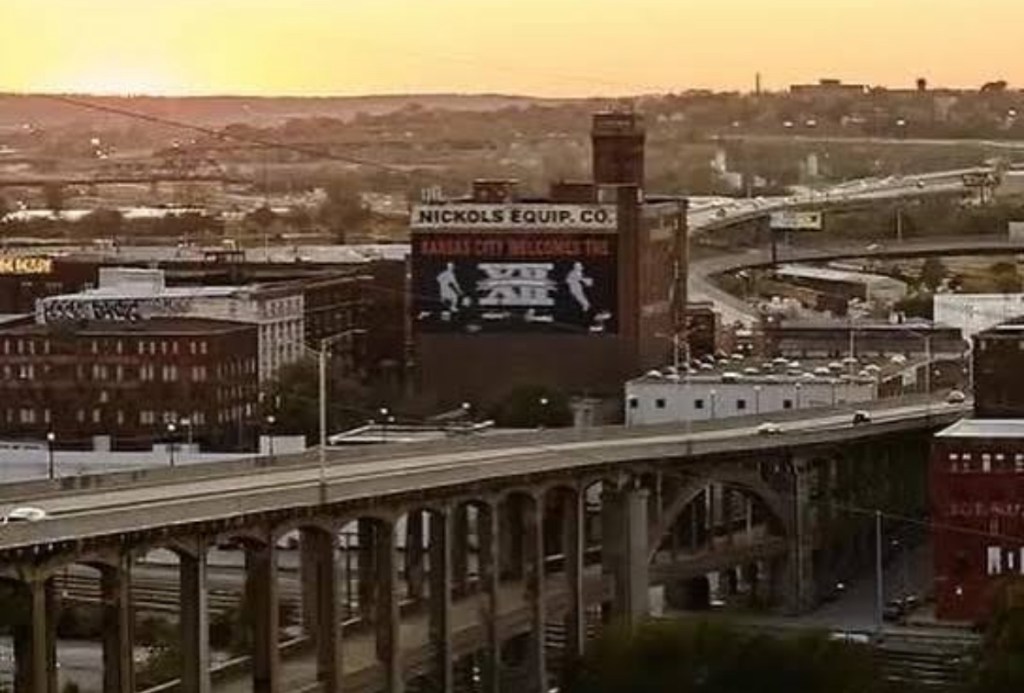
Kansas City


As a city, Kansas City trails only Paris with regard to each’s fountains count. The City of Fountains, as Kansas City is lovingly known to be, has over 200 fountains.

Some of those beautiful fountains in KC can be found near Kansas City’s majestic Union Station. From Union Station, take The Link over Grand Boulevard, and you arrive in the very heart of Crown Center.

At Christmastime, the beauty we find in Crown Center’s collection of fountains is accentuated by a special, special scene. Christmastime skaters.

For over fifty years Crown Center has been home to Kansas City’s original ice skating rink, Crown Center Ice Terrace. A staple for all who enjoy a Paris of the Plains Christmas.

Crown Center…

One of Kansas City’s true crown jewels would indeed be Crown Center. Another of Kansas City’s crown jewels would be the iconic corporation to which the fortunes of Crown Center Ice Terrace – as well as Crown Center itself – are owed. Hallmark. 

Each of our two Kansas City treasures – Crown Center and Hallmark – find their histories’ foundations in J.C. Hall. 

J.C. Hall…

As Kansas City continues to redevelop its downtown into one of the very finest downtowns in all of America, the wave of downtown redevelopment we see in Kansas City today also adopts into the club of downtown redevelopment leaders our forefather to Crown Center and to Hallmark, J.C. Hall.

While the focus of this article is not “redevelopment,” today’s Crown Center is very much emblematic of what can happen for a city when a corporate leader – in this case, J.C. Hall – opts to remain within a city’s downtown. Rather than follow (at that time) a trend of abandoning one’s center city roots by relocating to the suburbs.

The very beginning for Kansas City’s Crown Center goes back to a late 1960’s redevelopment plan. A redevelopment plan anchored through J.C Hall’s Crown Center businesses. A redevelopment plan which also received contributions from another iconic Kansas Citian, Walt Disney.

J.C. Hall. The one time door-to-door Avon salesman from Norfolk, Nebraska. Our Crown Center forefather.

J.C. Hall’s career evolved. From selling makeup, door-to-door. To selling postcards. And it was those postcards that J.C. Hall sold early on in his career that would bring J.C. Hall from his Cornhusker youth to Kansas City. And to forefather of Crown Center.

Yet, before we arrive at the company for which J.C. Hall’s “American signature” is forever most commonly linked, a prior step in his Kansas City business sequence

From postcards. To store. From store, to a grand department store. A grand department store in Crown Center.

Halls Department Store…

J.C. Hall began his career in Kansas City by selling his postcards. Later, adding greeting cards to his product offering. In time, J.C. Hall would go on to open that first store in Kansas City. The store from which he could sell his postcards. And his greeting cards too. This store that J.C. Hall opened in Kansas City would go on to become Halls Department Store.

Halls Department Store started out as a specialty store. With J.C. Halls offering much more of a retail collection than simply postcards and greeting cards. Yet those postcards and those greeting cards would certainly prove to be stalwarts to a J.C. Hall Crown Center icon. An icon that would go on to become a global brand. Hallmark.


At its origin, Halls Department Store stocked expensive, high-quality items. Favorites for upper echelon Kansas City patrons. In time, Halls Department Store had themselves a prime Country Club Plaza storefront.

Halls Department Store arrived in The Plaza in 1965. Later migrating from The Plaza to the hub of J.C.Hall’s enterprises. To where we find Halls Department Store today. Crown Center. 

Shoppers who visit Halls Department Store – Halls Department Store is owned by Hallmark – are heading over to Grand Boulevard. Halls Department Store. Grand Boulevard. Level 3. In Crown Center.

Crown Center, which also houses the headquarters for the centerpiece to J.C. Hall’s collection. That centerpiece, the “Crown Center nucleus” which benefitted from the experience J.C. Hall attained early on by selling his postcards? And his greeting cards? That centerpiece, is Hallmark.

J.C. Halls founded Hallmark Cards in 1910. 

Hallmark Cards has the same origin as does that of its founder, J.C. Hall. Greeting cards. Postcards.

Hallmark did not start out as Hallmark. Hallmark did not start out in Kansas City.

Hallmark Cards began in 1907 in Norfolk, Nebraska. Originally, as Norfolk Postcard Company.

The iconic Hallmark label was introduced as a stand-alone Norfolk Postcard Company brand eighteen years after J.C. Halls founded his Norfolk Postcard Company in Nebraska. Use of the Hallmark name began in 1928. 

In 1954, the original Norfolk Postcard Company – the company whose origin was the sale of those postcards in Nebraska by J.C.Hall – changed its company name. From its name at that time – Hall Brothers – to Hallmark. 

With Hallmark’s headquarters in Crown Center, with Halls Department Store in Crown Center, with J.C. Hall opting to keep his company in center city Kansas City rather than relocate to the suburbs, the underpinnings for Crown Center’s late-‘60’s redevelopment had been established. Redevelopment for Crown Center officially began in 1968. 

The beginning phase for the redevelopment of Crown Center involved construction of underground parking. As well as the central square. The central square in Crown Center, which is where we find our skaters.

Through redevelopment, Crown Center went on to become a truly unique mixed-use district. Offices. Retail. Theatres. Hotels… Crown Center opened to the public in 1971. Three years after redevelopment commenced.


Today, Crown Center encompasses 85 acres in Kansas City. Union Station. Our National World War I Museum and Memorial. Halls Department Store. Hallmark. Each, located in Crown Center.

Yet, at Christmastime, for so many, the Crown Center experience is best brought home by the ice skating. Ice skating made possible, that is, because one American corporate chief in Kansas City chose benefits bestowed upon his companies through redevelopment. Over a move out of Kansas City, to the suburbs.


So those happy skaters in Kansas City can thank a former door-to-door Avon salesman from Nebraska for their ice time fun.

They can thank J.C. Hall. Forefather of Crown Center.

Emporia, Kansas


In east central Kansas, at the junction of the Cottonwood River and the Neosho River, you’ll find the foothills of the Flint Hills. Emporia, Kansas. The very beginning for Emporia…a $1,800 land purchase.

This original land purchase encompassed an area within Emporia which stretches from what today is Emporia’s 6th Street to 18th Avenue. Due northwest, of this article’s topic.

Founded in 1857 as a trading post along the Santa Fe Trail, one can hypothecate that “DNA” for the Emporia one sees today took hold during the 1960’s. 

In 1969, the Tyson plant in Emporia opened. Opening after a two-year period of thorough plant modernization, and expansion. That Emporia Tyson plant which opened in 1969 was not yet Tyson. This plant, at that time, had been IBP – Iowa Beef Processing. 

The decade of the ‘60’s brought with it notable innovation in the American beef business. Leading to increases in investment in America’s beef industry. Which significantly reshaped the economy for the Great Plains. In which, Emporia resides. 

IBP’s plant in Emporia opened in 1969. And it was the sale of this plant to IBP two years prior to the plant’s opening – the sale of the plant to IBP taking place in 1967 – which foretold of innovation in America’s beef processing industry.

In 1967 Armour and Company sold their Emporia-based beef processing operation to IBP. IBP’s plant modernization – completed two years later – was emblematic of this decade of innovation.

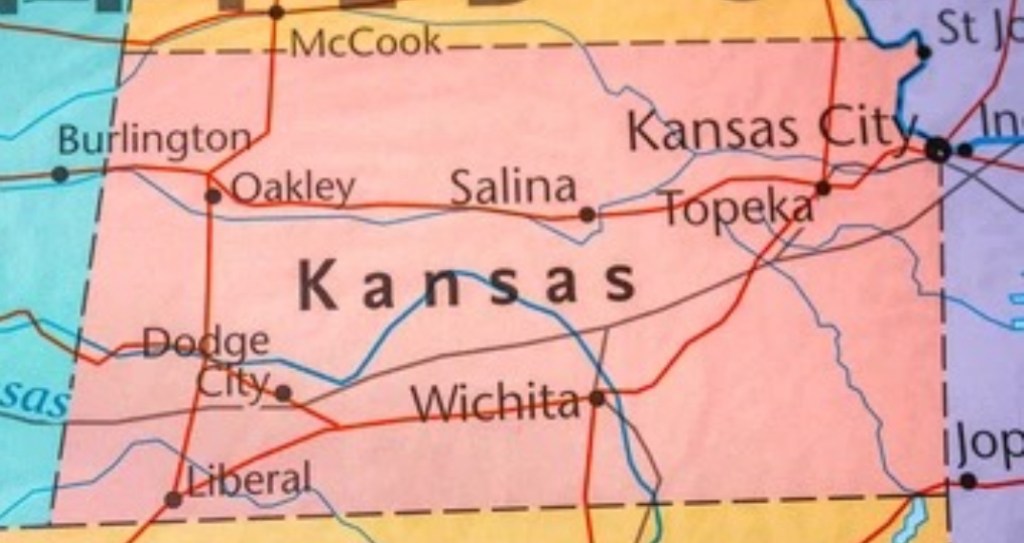
Emporia is nestled within the Great Plains along I-35. Between Wichita and Kansas City. For this piece, I’d like to cite one unique 19th Century paradigm which, one can argue, led to Emporia’s evolution as a beef processing hub. And then, so too, to the emergence of major Midwest beef processing centers situated throughout the Midwest.


One hundred years prior to the sale of that Armour and Company Emporia plant to IBP, the British Empire made up just about one quarter of the world’s GDP. In the 1860’s, a severe plague broke out in Great Britain. Curtailing Britain’s domestic beef industry. Reducing the total number of heads of cattle which could be brought to market within the British Empire.

While over half of all revenues in 1860 for the British Empire flowed to London through Great Britain’s expansive “outposts,” those living on the British Isles themselves back home loved their beef.


England. Scotland. Wales. Ireland. As well as thousands of smaller islands. The British Isles. Enter a beef shortage. Coupled to, no let-up in the demand for beef within Great Britain. 

As this epidemic ravaged Great Britain, domestically raised cattle – cattle which could have been brought to market in Great Britain – took a hit. Less cattle. Less cattle going to market in Great Britain. The beef shortage.

At this same time, across The Pond in the United States, the Great Plains was opening up to commercial interests.

Great Britain recognized this confluence of events: a) a beef shortage in Great Britain, plus b) the opening up of thousands of acres of prime cattle-grazing land in the United States.


With the beef shortage taking hold in the world’s largest economy, the price of beef shot up. Elevated beef prices lead to investment opportunities. Then. And now.

Prior to an increase in beef prices, American businessmen were already deploying capital to develop the United States cattle industry. Deployed capital which led to modernization for, and the growth of, American cattle business on the Great Plains. Enter additional capital. From London.


Increased demand. Higher prices. Investment. The build-out of the cattle industry on the Great Plains. Yet still, in 1860, transportation lines for Midwest cattle had yet to be modernized. Inhibiting efficiency for the market.

While grazing land in the Great Plains further opened up to American ranchers, a notable degree of capital was flowing to the Plains from across The Pond. Coming from British financiers. This capital infusion fueled the growth of – as well as modernization for – the American cattle industry. As investments made by Great Britain to facilitate the transportation of cattle led to investment in railroads, the very means by which the shipment of cattle took place incurred new efficiency.

While buyers of beef were (and are) concentrated in urban centers – and for Great Britain, across The Pond – United States stockyards were (and are) located in America’s Midwest. So too, is Emporia.

Investment in railroads – by the United States government, and by British financiers – connected urban centers – I.e.: buyers of beef – to beef supply – I.e.: stockyards. In fact, many early stockyards evolved through partnerships struck between railroads and the cattle industry itself.

Timing…

Emporia was founded in 1857. Thirteen years later, in 1870, Emporia was incorporated.

Emporia was founded not long before the aforementioned bout of anthrax gripped the domestic British cattle industry. Leading to…Britain’s shortage of beef.

This beef shortage checked the world’s largest economy. Driving down the number of heads of cattle which came to market in Great Britain. While at the same time, driving up the price of beef. As demand for beef remained constant.

The curtailing of production of domestic beef in Great Britain – the anthrax – coincided with the opening up of the Great Plains to ranchers in the United States. Fueling investment. Leading to improvements made in the transportation of cattle by rail. Leading to the prioritization of investments in railroads. And in beef processing centers. 

By 1870, two railroads reached Emporia. The Atchison, Topeka and Santa Fe Railway. And the Union Pacific Railway. Emporia became a booming railroad hub. As well as a cattle industry center, at that.

Railroads’ have unique American relationship to our cattle industry. And to Emporia.

Driving through Emporia today, one can’t help but recognize our correlative railroad-to-cattle industry linkage.


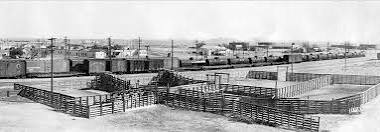
Cattle sales are held in Emporia every Wednesday. Held at Emporia Livestock Sales on Albert Street.


The Emporia Livestock Sales building is nearby train tracks. Tracks which are owned by BNSF. These BNSF train tracks in Emporia enable freight to be transported from California to Chicago.


Standing in front of the Emporia Livestock Sales building, looking to the south, you’ll see the Tyson plant.

That old Tyson plant in Emporia – where my aunt Rita worked for over 30 years – is, just like the Emporia Livestock Sales Building, located alongside Emporia’s BNSF train tracks. BNSF’s Southern Transcon line. 

This Midwest connection of stockyards to urban centers. The railroad and the cattle industry…

Stand atop the Prairie Street Bridge in Emporia. Look down. BNSF’s Transcon tracks. Look to the north. Emporia Livestock Sales. Look to the west. The former Armour plant. Which became the IBP plant. Which then became the Tyson plant…where Aunt Rita worked for over 30 years.


We can attribute this Emporia story to the opening of the Great Plains to ranchers. Yet there was also was that epidemic in Great Britain to think about.

As such, Great Britain, some may argue, is an unseen hand, contributing to the history for Midwest beef processing plants. Beginning in 1860’s.

Then, so too, Great Britain would be a catslyst, an oft overlooked forefather, one may say, which added their own special contributions…collectively making up Emporia’s unique and rich American story.

Manhattan, Kansas


In 1854, when President Franklin Pierce signed the Kansas-Nebraska Act into law, a new Kansas Territory was opened for settlement. That same year, seeds were planted for one such riverside settlement within this new Kansas Territory. A settlement that would go on to become “The Little Apple.”


Steps taken by pioneers to establish what would go on to become “The Little Apple” -aka, Manhattan, Kansas – should be thought about with the Kansas-Nebraska Act also in mind. This is so due to the relationship the Kansas-Nebraska Act had to the institution of slavery. To how the Act served as a catalyst for Kansas’ formation. To how the Act fueled the antislavery movement in Kansas. Then too, to how the Act served as the precipice for the early organizers of a townsite which would evolve into “The Little Apple.”


So how do we connect Manhattan’s formation to the Kansas-Nebraska Act? Then too, to the antislavery movement? This connection really begins, with a Senator from Illinois…

In 1854, Illinois Senator Stephen Douglas introduced a bill to Congress. This bill that Senator Douglas introduced to Congress was the Kansas-Nebraska Act.


Senator Douglas’ bill – which President Pierce signed into law the same year the bill was introduced – ended the Missouri Compromise. The Missouri Compromise banned slavery in states north of an established latitudinal designation. Minus, one state, Missouri. Missouri’s exclusion from the ban of slavery, being, the “Compromise.”

While doing away with the Missouri Compromise, the Kansas-Nebraska Act also organized two new territories for the United States. These two new U.S. territories being, one, the Kansas Territory, and, two, the Nebraska Territory.

Two new U.S. territories were organized. The Missouri Compromise was ended. Without the Missouri Compromise, the two new U.S.territories would be free to enact “popular sovereignty.” And this popular sovereignty, within Douglas’ Kansas-Nebraska Act, related to whether slavery would become an institutional pillar within each of the two new U.S. territories.

So, with President Pierce’s signing of the Kansas-Nebraska Act, the race was then on to settle these two new territories. And, to settle the territories with positions on slavery which would thus, in turn, be representative of the viewpoints pertaining to the institution of slavery espoused by the early framers of the territories.  

Popular sovereignty was in. The Missouri Compromise was out. The Kansas-Nebraska Act was in. What remained to be either in or out, was, the institution of slavery.

The same year the Kansas-Nebraska Act was signed into law by President Pierce, a settlement took hold in the Kansas Territory at the junction of the Kansas River and the Big Blue River. This, a riverside settlement founded by Colonel George Park. Colonel Park named his settlement, Poleska.

As Colonel Park founded Poleska, another group of pioneers heading into the new Kansas Territory – this group, cattlemen from Illinois, led by Samuel Houston – founded a neighboring settlement. Their neighboring settlement, Canton.

Popular sovereignty. No Missouri Compromise. And two new settlements in the Kansas Territory.

One year after Colonel Park founded Poleska, one year after Samuel Houston founded Canton, we find the structural framework for what would go on to become, “The Little Apple.” Manhattan.

Our framework for Manhattan, inspired by the popular sovereignty which came to be in the Kansas Territory. As the Missouri Compromise, was no more.


One year after the settlements of Poleska and Canton were founded, in 1855, a group of New England abolitionists traveled to this new Kansas Territory. From Boston. With popular sovereignty in mind, these New Englanders wanted to establish a Free State for this new Kansas Territory. They realized that they could do so. By increasing the number of antislavery voters in the Kansas Territory. Thus, with a majority of antislavery voters, ensuring that when Kansas did become a United States state, Kansas would enter the Union, as a free state. 


These abolitionists from Boston – the New England Emigrant Aid Company – selected the contiguous Poleska-Canton settlements as their new Free-State home. Their new Kansas Territory home, located alongside those two Kansas rivers. The Big Blue River. And the Kansas River. 

Recognizing how their settlement could develop reliable channels for commerce as a result of the settlement’s strategic position alongside two rivers, a river landing was built. With a river landing, then, ferries were built. Means of waterway commerce was established. A town constitution was adopted. The pioneers from Boston proceeded to acquire acreage. With their land acquisitions, the footprint of this new antislavery settlement, had been enhanced.

Yet, this antislavery settlement, was not yet a town. This settlement was not yet, Manhattan. 

Manhattan was once, Boston…

This townsite, nestled alongside the Kansas River and the Big Blue River was still known as – just as this townsite had been known to be, since its founding by Boston settlers – Boston.

The name Manhattan would indeed come…not long after.

The same year the New England Emigrant Aid Company arrived at the Poleska-Canton settlements, another group – this group, with their origin being, Cincinnati, Ohio – also arrived. And it was this second group, from which, our Manhattan name, came to be.

This second group was the Cincinnati and Kansas Land Company. The Cincinnati and Kansas Land Company arrived at the Poleska-Canton settlements, also in 1855. Making their journey to the new Kansas Territory, on a steamship.

Upon arrival, ready to put up buildings. And houses. To further develop the commerce which was still in its infancy – in year one – within the Poleska-Canton settlements.


As an inducement to advance commerce, the New Englanders offered the Cincinnati and Kansas Land Company half of their Kansas Territory townsite of Boston. 

Our new Kansas Territory group from Cincinnati accepted the stake holding offer. With one condition. This condition being, the townsite name would need to be changed. From Boston. To Manhattan.

A deal was struck. 

Manhattan, Kansas was founded in 1855. Two years later, Manhattan, Kansas was incorporated. 

The Little Apple.

Kansas City Board of Trade


The price of wheat…

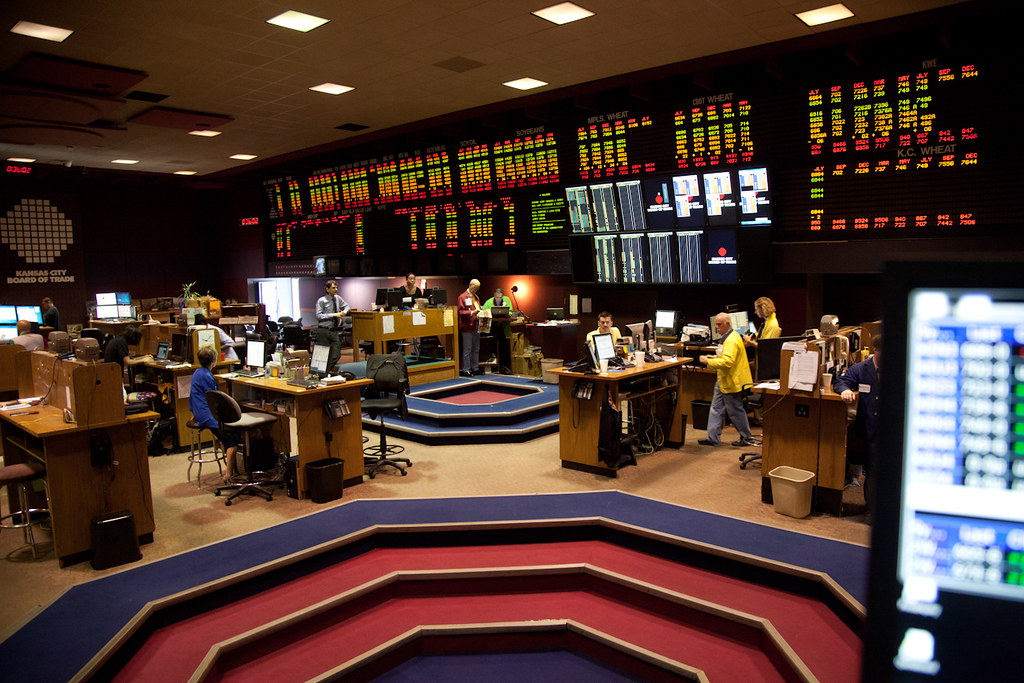
Beginning in the earliest years of the Twentieth Century, and carrying onward through 2013, from a trading pit in the heart of Kansas City, Missouri, the price of wheat, first, in the United States, then later, for countries the United States traded with, was influenced. Influenced by Kansas City traders. Traders who barked out “buy” and “sell” orders. Buy and sell orders correlated to futures contracts for Hard Red Winter Wheat.

Hard Red Winter Wheat futures contracts – the Kansas City Board of Trade.

Why was this exchange located Kansas City in the first place?

Soil and climate conditions in the Great Plains are perfect for growing wheat. So the trading operation for Hard Red Winter Wheat contracts was going to be based in the Midwest. 

Wheat requires specific conditions in order to grow. Ample sunlight. Well-drained soil. Sufficient water. One additional requirement needed – with Hard Red Winter Wheat – is, exposure to the cold. To each point, Kansas City’s neighboring state to the west is…ideal.

So…Kansas City?

In the late-19th Century, the, “Why Kansas City?” question had a lot to do with where the wheat the traders were trading was coming from – Kansas.


Known as the “Wheat State,” Kansas as a state -along with North Dakota – consistently leads the United States in wheat production. 

For example…

Last year, Kansas had 7,600,000 acres allocated to the planting of wheat. Coupled to 7,150,00 acres of harvested wheat. That was last year. And one of the things that I personally love most about my home state of Kansas is, Kansas just doesn’t radically swing, from whim to whim, all that much. Well, to be more precise, Kansas doesn’t really swing from whim to whim, at all. Which brings us to the question of, “Why Kansas City?” for the Hard Red Winter Wheat exchange.

While there were 7,150,000 harvested acres of Kansas wheat in 2024, 106 years prior – in 1918 – there were 7,250,000 harvested acres of wheat in Kansas. Pretty much the same acreage total. In 1918. And in 1924. 7,000,000 acres.

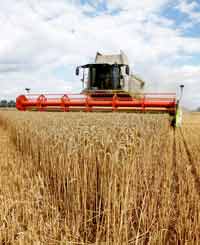
Step out of 1918 for a moment. And into 2024. While those small Kansas farm houses (and small Kansas farms) would no longer be. And while you will now see high-tech John Deere Combine Harvesters on those Kansas farms – complete with Wi-Fi…and a John Deere price tag, per Harvester, of between $700,000 and $1,000,000 – the “DNA” of the land from which Hard Red Winter Wheat had been harvested – and is still harvested today -pretty much, stayed the same. 

7,000,000 Kansas acres of harvested wheat in 1918. 7,000,000 Kansas acres of harvested wheat in 2024.


Logistically, an exchange for the trading of Hard Red Winter Wheat contracts -and, for that matter, for a board of trade – which was based in Kansas City, just made sense. Long, long ago. And today as well. Kansas City was (and is) the “big city” for Kansas farmers. Perfect for a Hard Red Winter Wheat exchange. 

The origin of the Kansas City Board of Trade traces back to its founding in the year 1856. Founded by a group of local merchants. Led by one Edward H. Allen.

Elected as the 10th mayor of Kansas City, Missouri, Edward H. Allen held the office in 1867 and 1868.

The idea for an exchange taking hold in Kansas City three years after Kansas City, Missouri itself was incorporated as a city. Which happened in 1853. 

The trading of Hard Red Winter Wheat contracts…

Just as the trading floor at the New York Stock Exchange in Manhattan is no longer a crowded hub of frantic traders, scurrying their trades about, those traders who once roamed the pit at the Kansas City Board of Trade – early in the Twentieth Century, and up through 2013 – have so too been replaced. By automation.

In 2012, the Kansas City Board of Trade was purchased by the CME Group – formerly, the Chicago Mercantile Exchange.


One year later, Kansas City’s trading floor – I.e.: the pit – was merged into the trading floor in Chicago. The trading of Hard Red Winter Wheat futures contracts on a Kansas City trading floor was no more. 


Two years later – in 2015 – CME’s trading floor itself was shut down. Replaced by automation. No pit in Kansas City. No pit in Chicago. The trading of Hard Red Winter Wheat futures contracts became… automated. 

While that old trading floor for Hard Red Winter Wheat in Kansas City – and those busy wheat traders in the pit – is no longer in operation, whenever you add cold cuts and mayonnaise to your sandwich, the price of the wheat – which makes up about 15% of the total cost of the bread you use to surround your cold cuts – is still set in Kansas City at the Kansas City Board of Trade.

In 2025, the Kansas City Board of Trade continues to function as the primary trading platform for Hard Red Winter Wheat futures contracts. Hard Red Winter Wheat futures contracts are a determinant in the price of wheat. Then too, in the price that we ultimately pay a loaf of bread.

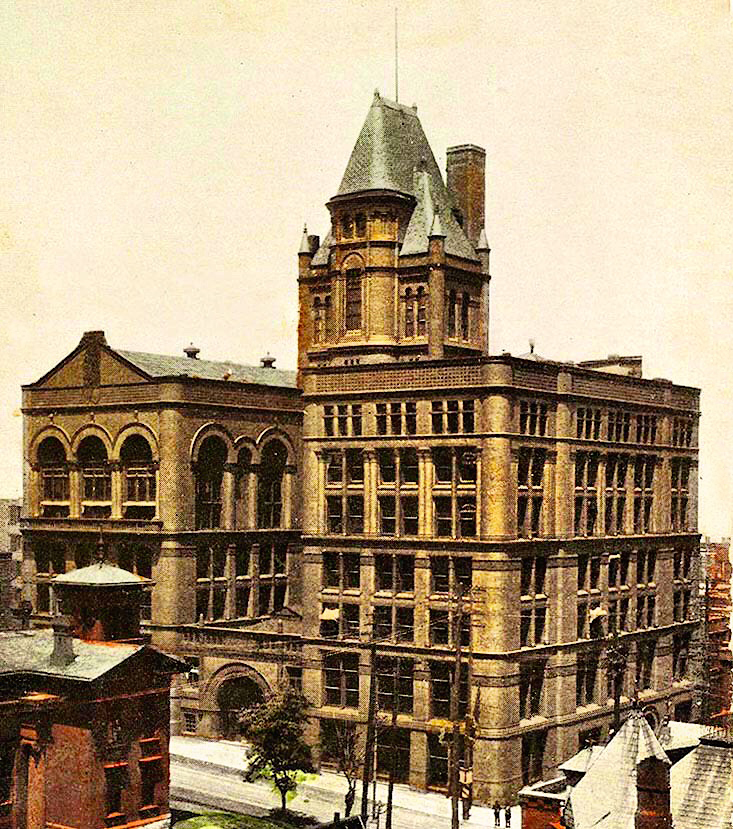
Interestingly, the Kansas City Board of Trade had been Kansas City’s original chamber of commerce. So, the origin for the trading of Hard Red Winter Wheat contracts in Kansas City started off as – and in – a chamber of commerce. At 8th and Wyandotte. In Kansas City, Missouri. 

Local growers of Hard Red Winter Wheat. Local traders of Hard Red Winter Wheat. Local buyers of Hard Red Winter Wheat. 

While the local growers of Hard Red Winter wheat are still there – Kansas produces over 300 million bushels of wheat each year…equating to roughly 20% of total wheat production in the United States…there is not much else which is entirely “local” when it comes to the Kansas City Board of Trade. And Hard Red Winter Wheat. 

While 300 million bushels of Hard Red Winter Wheat is produced by 15,000 Kansas farmers each year. While the price of Hard Red Winter Wheat is set in Kansas City at the Kansas City Board of Trade. When it comes to the Kansas City Board of Trade – and Hard Red Winter Wheat – today, it would be wise to substitute the word “global” for “local.”


Local buyers of wheat? Kansas is an exporter. Each year, Kansas exports just about half of the 300 million bushels of Hard Red Winter Wheat harvested in the “Wheat State.”

As the world’s largest contiguous producer of winter wheat – that’s Kansas – having the price of Hard Red Winter Wheat still set in Kansas City is itself, poetic justice.

And establishing the exchange for the trading of wheat contracts in Kansas City – in the late stages of the 19th Century – turned out to be, rather fortuitous…

7,000,0000 acres of harvested wheat in Kansas in 1918. The price of Hard Red Winter Wheat set in Kansas City in 1918.

7,000,000 acres of harvested wheat in Kansas in 2024. The price of Hard Red Winter Wheat set in Kansas City in 2024.

Other than those $1,000,000 John Deere Combine Harvesters that you’ll see on Kansas farms in 2025 – coupled to the fact that Kansas, while a local grower, is really an international exporter – much, does look, feel and operate the same.

Acreage. Crop. Exchange. 1918. 2024. When in comes to American wheat, the more things change the more things stay the same – Kansas City.

The price of wheat in 1918…

The price of wheat in 2025…

The Kansas City Board of Trade.

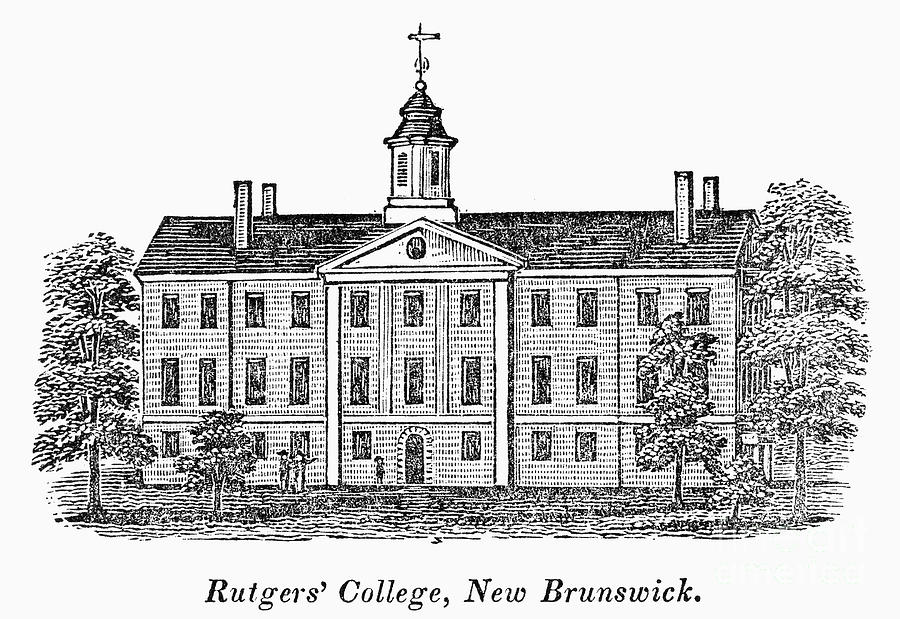
…how Rutgers University came to be.


Rutgers, The State University of New Jersey was founded – originally as a seminary – in 1766.

Founded by William Franklin. William Franklin, son of Benjamin Franklin.

Although, upon its founding, this college, located in New Brunswick along the Raritan River, was not known as Rutgers.

The name Rutgers was affixed to the New Brunswick college 59 years after its founding. In 1825. “Rutgers,” selected to honor Revolutionary War veteran Colonel Henry Rugers. Between the year of its founding – in 1766 – and the year Rutgers was selected as the college’s name, in the honor of Henry Rutgers – in 1825 – Rutgers had been Queens College. Then, for the next one hundred years, it was Rutgers College.


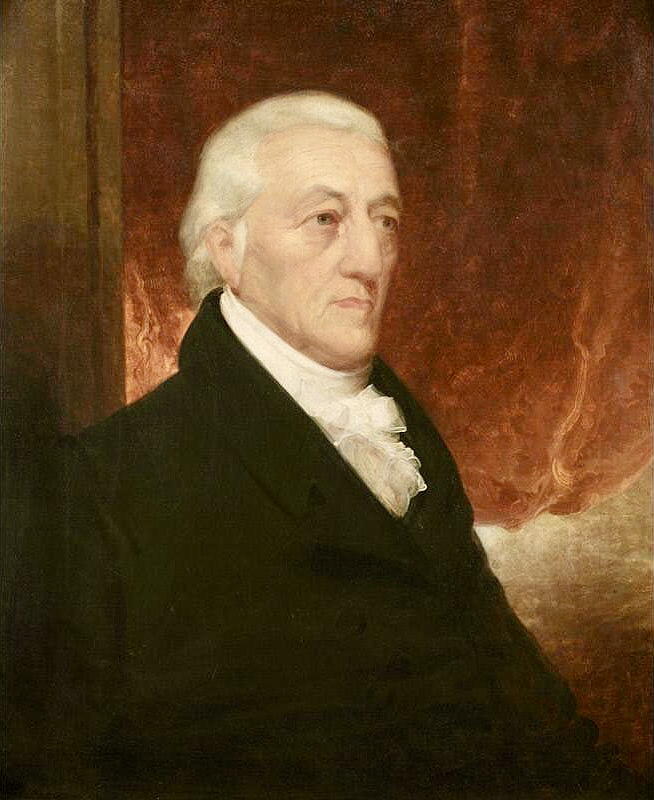
Henry Rutgers…

Born in New York City in 1745 – and in 1745, that would have been, the Province of New York, British America, as New York was still under British rule when Henry Rutgers was born – Henry Rutgers served as a New York state assemblyman. He was a graduate of Columbia University (then, King’s College),

A prominent New York landowner, Henry Rutgers donated much of his land to local New York City schools, charities, and churches. In Manhattan, if you have ever driven down Henry Street or Rutgers Street, those streets were named after Henry Rutgers.

Rutgers College – then Queens College – adopted Henry Rutgers’ name upon receiving a much needed financial infusion from Henry Rutgers.

Through Henry Rutgers’ generosity, prospects for the then-struggling Queens College to continue on as an institution of higher learning, brightened.

At the time of Henry Rutgers’ financial contribution, Queens College had incurred a multi-year shutdown. Its finances, and its future, cast astray as a byproduct of the challenging economic times the United States went through upon the conclusion of the War of 1812.

The University of Newark joined the Rutgers family in 1946. As Rutgers University-Newark.

The College of South Jersey joined the Rutgers family in 1950. As Rutgers University- Camden.

Rutgers is the second oldest university in New Jersey. Founded 20 years prior to Queens College’s founding, Princeton – which had been the College of New Jersey from 1746 until 1896 – is the oldest New Jersey university.

Rutgers’ Board of Trustees consists of 41 voting members. Rutgers’ Border of Trustees functions in an advisory capacity to Rutgers’ Board of Governors.

Rutgers’ Board of Governors consists of 15 voting members. Rutgers’ president is a non voting Board member.

Three of the 15 members of Rutgers’ Board of Governors are voting members, selected by the Rutgers University Senate. Three representatives – selected by the University Senate – are non voting representatives.

Eight members of Rutgers’ Board of Governors are appointed by the New Jersey governor. Seven members are selected by the Board of Trustees. For the 8 members appointed by the New Jersey Governor, confirmation for each member by the New Jersey Senate is required.

The president of Rutgers is a nonvoting Board of Trustees member. Rutgers’ University Senate selects two members of the faculty – as well as two students – as non voting representatives.

The selection of the 41 voting members of the Board of Trustees is done in accordance with State law.

There are 20 charter members. Three of the 20 charter members must be women.

Sixteen Trustees are Rutgers alumni, each of whom is nominated for Board membership by the Nominating Committee of the Board of Trustees.

Five Trustees are public members, appointed by the governor. The five public members who are appointed by the governor require confirmation by the New Jersey State Senate.

The president of Rutgers is selected by the university’s Board of Governors. The Board of Governors oversees the process of identifying the president, while overseeing the Presidential Search Committee.

Rutgers’ Presidential Search Committee develops a profile of prospective candidates…submitting recommendations of potential university presidents to Rutgers’ Board of Governors.

Rutgers’ Board of Governors, upon receiving recommendations and feedback from the Presidential Search Committee, ultimately selects the university president.

On two separate occasions – resulting from acts taken by the New Jersey Legislature – Rutgers was designated as the official state university of New Jersey. New Jersey’s legislature granted Rutgers this distinction in 1945. And once again, in 1956.

New Brunswick is a city in Middlesex County, New Jersey, United States

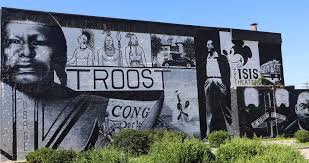
Kansas City’s Troost Avenue


There is an interesting, historically significant 10-mile street in Kansas City, Missouri which runs from 4th Street to Bannister. The Kansas City, Missouri street I am referring to here is Troost Avenue.

Among the Kansas City, Missouri neighborhoods which border Troost Avenue are…Beacon Hill, Longfellow, Squier Park, Rockhill and Hyde Park. All are fabulously sought-after KC neighborhoods.

Troost Avenue was named after a doctor – Benoist Troost. Dr. Troost, as well as being a prominent Kansas City physician, had been a civic leader in KC. Troost Avenue.

Troost Avenue was once home to “Millionaire’s Row.” Early in the 20th Century, “Millionaire’s Row” had been a strip of stunning mansions constructed all along Troost Avenue. Those mansions adorned Troost from 31st Street to 34th Street.


Today, Troost Avenue is experiencing keen interest. And a tasteful renaissance of redevelopment. In times past, Troost Avenue experienced a storied history of disinvestment. And decline. Prior to Troost’s renaissance. So what led to Troost’s decline?

Disinvestment. But real estate disinvestment was not the primary catalyst which led to Troost’s
mid-20th Century decline. Real estate disinvestment certainly was one catalyst which led to Troost’s decline. But
real estate disinvestment was not the primary catalyst which led to Troost’s decline.


Disinvestment in public schools east of Troost was the primary catalyst which led to Troost’s decline.

Starting off in the late ‘60’s, the School Board in Kansas City, Missouri consistently requested increases in education funding for Kansas City, Missouri schools located east of Troost Avenue. For this topic, there were in the range of twenty such education funding requests made by the Kansas City School Board during this time. These were funding requests made throughout 1960’s. Throughout the 1970’s. For twenty years.

The additional funds – if approved – would have gone to Kansas City, Missouri public schools east of Troost Avenue. Funding requests were voted down. The result? White flight.

Families – those having the means, that is…meaning, predominantly white families at that time – moved. Families moved outside of the underfunded Kansas City, Missouri School District. Schools east of Troost were underfunded.

White flight. Neighborhood home values decreased. One prominent Kansas City mayor once referred to Troost Avenue as, “…the demarcation line in a war zone.

The problem – east of Troost – wasn’t the legal segregation of schools. Nor was the problem – east of Troost – the illegal segregation of schools. The problem – east of Troost – was school funding. Or a lack thereof.


Long before round after round after round after round of failed requests were submitted to secure funding for Kansas City, Missouri public schools east of Troost, those same public schools were in fact desegregated. Yet school desegregation didn’t really solve this problem in Kansas City east of Troost. Because while school desegregation based upon race was the national mandate after Brown v. the Board of Education, decisions made which affected education funding were – and are – made at the local level. And therein was the problem for public schools east of Troost. At that time.


In 1954, the United States Supreme Court unanimously ruled in Brown v. the
Board of Education of Topeka, Kansas that state-sanctioned segregation of
public schools was unconstitutional. Prior to this 1954 Supreme Court ruling, in Kansas City, Missouri – east of Troost Avenue – Lincoln High School had once been the only high school providing post-elementary education to Black students.
One high school.


In 1955, one year after Brown v. the Board of Education, the Kansas City School Board kind of enacted a “segregation” of public schools, in a different way. This was like a “de-facto segregation.” Not based upon race. But rather, this was a different form of segregation which was based upon attendance zones. Not race.


Yet, do we recall the aforementioned white flight east of Troost? The white flight which took place as round after round of funding requests for schools was voted down? Which led to panic selling? Which led to block busting? As white families relocated out of the Kansas City, Missouri school district?

Kansas City, Missouri public schools east of Troost were not segregated based upon race after the 1954 Supreme Court decision. But yet, in a practical sense, they
kinda still were.


The city’s expansion…


Beginning in the 1950’s, and extending onwards through the 1960’s, Kansas City,
Missouri – as a city – grew. During this time, Kansas City, Missouri added over
200 square miles to the city’s footprint. Yet, during this same time, what about
Kansas City, Missouri public school sizes? What about Kansas City, Missouri public
school teacher count? What about Kansas City, Missouri public school classroom
sizes? What about Kansas City, Missouri public school classroom capacity?


None of those public school categories grew in a commensurate way – east of
Troost, that is – to Kansas City’s population growth. Nor to Kansas City’s
expanding public school education requirements. During the city’s expansion in the ‘50’s and ‘60’s – east of Troost – Kansas City, Missouri public schools remained overcrowded. And underfunded. The city’s expansion just made it worse.


In real estate, developers often utilize – and benefit from – tax abatements. On Troost Avenue – and east of Troost – there is a genuine renaissance which has taken hold. It’s long overdue. And it’s welcomed.


Let’s go back for a moment to the topic of Kansas City, Missouri public schools, east of Troost. To the underfunding of public schools, east of Troost. To classroom sizes…


The definition of a tax abatement is, the reduction of, or the exemption from, taxes granted by a government for a specific period, usually to encourage certain activities.


Over one six-year period – between 2017 and 2023 – Kansas City, Missouri public schools lost in excess of $200 million in potential education funding which could have gone (but didn’t go) to Kansas City, Missouri public schools. Funds redirected away from Kansas City, Missouri public schools due to development incentives given out. Development incentives coming from tax abatements.


Public schools in Kansas City, Missouri have accrued nearly $400 million in deferred maintenance. Underfunded.


Those of us who love Kansas City applaud the spectacular redevelopment which is taking place on Troost Avenue. Still, it’s not really a stretch for us to take a moment and think about what led to Troost’s decline. It was the schools.


If the #1 goal is redevelopment and private schools…all good.

While panic selling and block busting were two factors which contributed to neighborhood disruption east of Troost long, long ago, neighborhoods east of Troost will experience no such disruptions this time. As the “Troost pendulum”swings all the way…in the other direction.


What we’ll see is, not decreasing property values east of Troost. We’ll see increasing property values east of Troost.

We won’t see panic selling east of Troost. We’ll see home sellers fetching ever-increasing prices for their homes, east of Troost.

We won’t see blockbusting, east
of Troost. We’ll see continued investor interest in homes, east of Troost.

What we’ll also see – east of Troost – is community members being priced out of their neighborhoods. We’ll see gentrification. We’ll see investment. Not
disinvestment. We’ll see tax abatements.

We’ll also see hundreds of millions
of dollars in deferred maintenance which has already been incurred by Kansas City, Missouri public schools.


We’ll see challenges in education. Different education challenges. Not
segregation. Not the same challenges as before. But challenges in education
east of Troost, nonetheless.


If redevelopment on Troost Avenue is the goal, all good.

If there are other topics to consider, maybe we revisit Kansas City history? Focusing on this topic: public schools east of Troost.

Tax Incremental Financing


When you are considering whether to pursue a real estate development project, reaching out to local government officials regarding the availability of tax incremental financing is one step you can take.

Tax incremental financing – TIF –is a development subsidy whereby the municipality diverts future property tax revenue towards economic development. The origin of tax incremental financing traces back to the State of California. And to 1952.

In order to establish a TIF subsidy, an urban renewal district – a TIF district – is first drawn up by the municipality.

With tax incremental financing, the municipality will be diverting increases in property taxes within the urban renewal district from the municipality, to development. It’s a subsidy. With a lifespan of twenty or twenty-five years.

The foundation for TIF? Development leads to increases in property values within the TIF district. As well as in surrounding neighborhoods. The theory? Increasing property values, which lead to an increase in property tax receipts collected by the municipality, offset TIF subsidies.

The council-manager form of local government


Since the 1920’s, Kansas City, Missouri has utilized the council-manager form of government. Phoenix is the largest American city which utilizes the council-manager form of government.

In a council-manager form of government, city council charts how the city functions. An analogy…

In a council-manager form of government, city council could be looked at as being comparable to a corporate board of directors. The council-manager form of government, through its construct, looks somewhat like corporate governance. Using the corporate analogy, a city manager would be the city’s “executive officer.” The city’s “CEO.” The city manager, which is an unelected position, is hired by the city.

The city manager works, in theory (ideally) outside of the scope of the political arena. The city manager executes policy. The city manager implements ordinances…ordinances passed by, using our corporate analogy once again, the city’s “board of directors.” The “board of directors” being…city council.

The city’s “CEO?” City manager. The city’s “board of directors?” City council.

Under the council-manager form of government, the mayor is an elected public official. Elected by voters.

The city manager operates behind the-scenes. Running the city’s day-to-day operations. The mayoral position is a more visible position. Interviews? Newspaper articles? Mayor. 

As executive officer, the city manager is responsible for oversight of city departments. The city manager collaborates with the mayor – and with city council – to enact policy. City policy? That policy emanates from city council.

City planning? City programs? The city budget? These are responsibilities of the city manager.

The position of mayor is a political position. The city manager position is apolitical.

City managers are not out campaigning alongside candidates who are running for public office. The city manager does not publicly promote the interests of Democrats, nor of Republicans.

Campaigning? Part of what it takes to become mayor. Politics? Goes hand-in hand with winning an election and becoming mayor.

Photo ops? Fundraising? TV appearances? Mayor. The city manager may very well attend these events as well. Yet it will be the mayor – moreso than the city manager – who is more likely to show up and make an appearance.