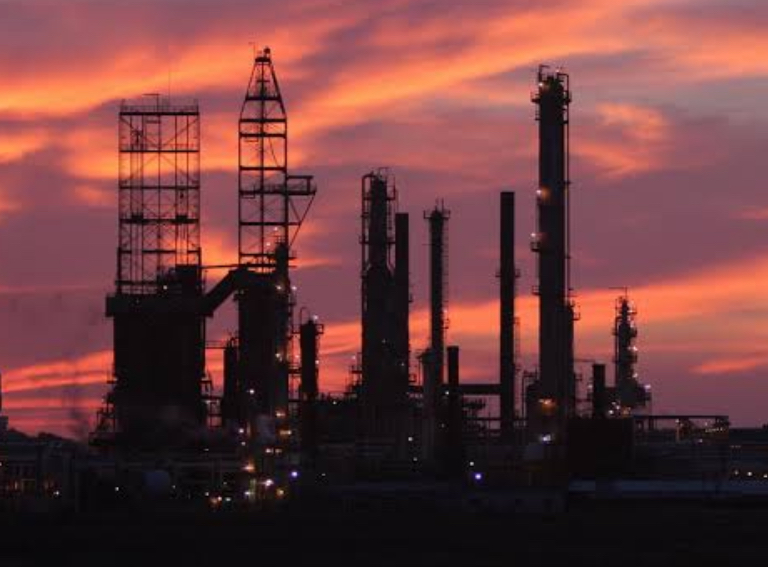
During the 1850s settlers started arriving on the plains of Kansas’s Flint Hills, thirty miles northeast of Wichita, at a site that would soon become El Dorado.
Early El Dorado Kansans established trading posts along the Walnut River. A 140-acre townsite was platted in 1858. El Dorado was incorporated in 1871.
Early on, what attracted frontiersmen to El Dorado was the Walnut River and the timber belts found alongside the Walnut.
The Walnut River is a 154-mile long tributary of the Arkansas River, formed through a union of Cole Creek and Durechon Creek. Walnut Rover flows southward through Butler and Cowley Counties, passing through El Dorado, Augusta, Winfield and Douglas before joining the Arkansas River in Arkansas City in south-central Kansas, four miles north of the Oklahoma border.
The timber belts frontiersmen found nearby El Dorado ranged from a quarter mile to one mile in width – oak, walnut, hickory, mulberry, sycamore, elm, and hackberry timber belts. River bottom timber was the only lumber supply available on the prairie. El Dorado and the Walnut River provided that lumber supply.
While oak timber belts and Walnut River trading posts represented underpinnings for the early days of El Dorado, it would prove to be neither trading posts nor hickory timber belts which made El Dorado indispensable to President Woodrow Wilson. It was oil.
The first oil development around El Dorado occurred in nearby Augusta. Black gold was discovered in Butler County Kansas in June of 1914, just outside of Augusta.
World War I began that same year, on July 28th.
Less than one year after World War I broke out, on October 5, 1915 wildcatters hit it big when oil started gushing from a massive oilfield located a stone’s throw northwest of El Dorado on North Oil Hill Road. That oilfield was Stapleton No. 1, named after the man on whose land black gold had been discovered, John Stapleton.
That oilfield would go on to become El Dorado Oil Field. El Dorado Oil Field triggered the El Dorado Oil Field boom.
By 1918, El Dorado Oil Field produced 29 million barrels of oil, supplying the United States with 9% of oil consumed by the country.
World War I increased demand for oil. El Dorado Oil Field’s importance grew, as the Butler County oilfield was delivering nearly 13% of all oil consumed in the United States.
El Dorado Oil Field became “the oil field that won World War I.”


