Trenton’s population peaked in the mid-1950’s. While at the same time, socioeconomic challenges were gripping Trenton. And industrial cities like Trenton. Throughout the United States.
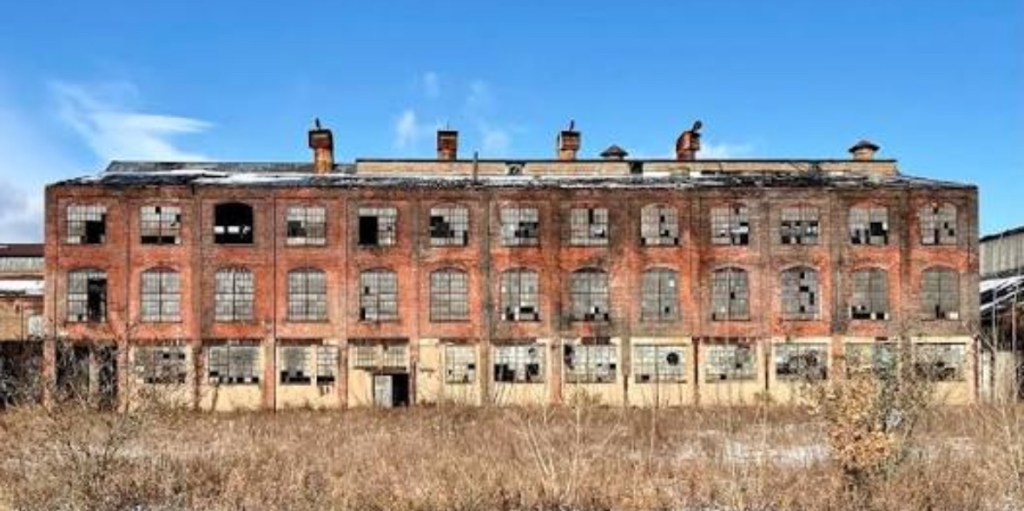
Trenton, like countless mid-Century manufacturing hubs, encountered substantial problems resulting from a national movement towards de-industrialization. Akron. Detroit. St. Louis. Cleveland. Trenton. To name but a few. Each, once an industrial powerhouse. Each, sadly brought to their knees by globalization. By de-industrialization. By an economy which moved away from manufacturing.
Problems accompanying de-industrialization can be seen in circumstances which overtook labor. Decimating workers. Shuttering factories.
The platform for this problem…
As northern industrial cities grew, workers migrated from southern states to northern cities which possessed strong manufacturing bases. Workers pursued higher paying jobs found in factories.
Workers went north to attain higher wages and good weekly paychecks. They found what they were looking for in northern manufacturing cities.
Yet the economy was changing…
A notable portion of mid-century workers who came to Trenton lacked the skill sets required to retain wages which were sufficient enough to support the purchase of (and the upkeep of) homes as the economy changed. As factory jobs were shed. As the United States de-industrialized.
Lacking the incomes needed to update their homes and pay property taxes, over time, more and more Trenton homes fell into a state of disrepair.
An inability to afford the upkeep of homes, combined with (arguably, by some) a trend towards lax oversight by the City in regard to enforcing housing maintenance standards led to the deterioration of Trenton’s housing stock. Which, when combined with White flight, redlining by lenders and suburbanization, led to a decrease in center city Trenton home values. A problem which was then compounded by a newfound ease in the commute by workers into (and out of) Trenton.
Easy commutes exacerbated center city housing challenges. The ability to commute to and from jobs in cities such as Trenton was made possible by the construction of roads and highways.
One could buy a home in the suburbs. Then drive to their job in Trenton. Leading to a decrease in demand for center city Trenton homes. A perfect elixir for urban blight.
Today upwards of 60% of those who live in Trenton rent. Whereas in Mercer County – as well as in New Jersey overall – the rental rate is between 30% to 40%. A disproportionately high percentage of Trenton residents rent.
The consequence? Lack of homeownership.
In Trenton one will see hundreds of vacant lots, vacant buildings and vacant homes. The result of a hollowing out of Trenton’s industrial base. Redlining. And easy commutes. Each contributing in their own unique way to a deterioration of Trenton’s center city housing stock.
This one time industrial powerhouse certainly owns its share of economic and housing challenges. Yet, with thousands of vacant lots, vacant buildings and vacant homes, this former Mid-Atlantic industrial heavyweight also possesses the ingredients to establish processes to transition now non-performing properties to affordable homes.
The construction of new homes. Older homes renovated. Repurposed center city made available to those who would like call Trenton “home.” As homeowners. Not as renters. While at the same time, increasing the city’s property tax base. Decreasing blight.
The solution?
A comprehensive land bank in Trenton. Or, a commitment made by City officials to the issuance of RFP’s. RFP’s which real estate developers could submit Responses to.


