During the latter part of the 19th Century, the Homestead Act enabled settlers to become landowners. The Homestead Act was signed into law by President Abraham Lincoln on May 20, 1862.
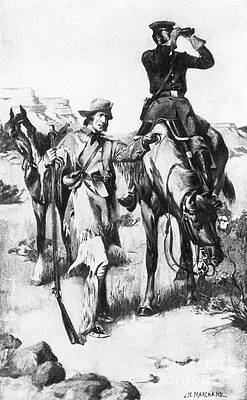
Through the Homestead Act, after living on and improving their homestead for five years, a homesteader would then receive their deed by paying a $18 filing fee.
Leading up to the Civil War, southern states seceded from the Union. One year before the Homestead Act went into effect.
Southern states intended to advance the institution of slavery. Members of Congress representing the South recognized that land added to the Union which would be owned slave owners could point the country in a pro-slavery direction. Their goal being, for slavery to be established as the foundation for rural economies in the West.
In the 1860’s there was a tug of war over the institution of slavery. It was slave owners versus free-staters. As the United States pushed west, land totaling just about 10% of the country would be conveyed to homesteaders. One million homesteaders. Representing a voting block which would be integrated into the Union. One which would influence policy.
Prior to the Homestead Act, the Preemption Act of 1841 was used by settlers – those age 21 or older, and head of a household – to acquire up to 160 acres. The price? $1.25 per acre.
Through the Preemption Act, a homesteader was required to make improvements to their homestead and to live on their homestead for a minimum of five years.
Opposition to the Homestead Act – and to the Preemption Act beforehand – had largely been anchored in plantation owners of the South. Their concern? Land acquired in the West would go to stakeholders who would not be advocates of slavery. While slavery was the bedrock on which the southern economy was based.
Representing a barrier to southern interests, the Homestead Act prohibited conveyances of land to those fought against the United States in the Civil War. Which meant, land conveyed through the Homestead Act was not available to former Confederate soldiers.
Homesteading continued on as federal policy through the 1970’s. In 1976 President Gerald Ford signed the Federal Land Policy and Management Act into law. Effectively ending homesteading at the federal level.
The Federal Land Policy and Management Act governs how federal land is administered by the Bureau of Land Management.
By the end of the Civil War, some 15,000 homesteaders acquired land through the Homestead Act. Establishing their homes in what today we know to be Kansas, Colorado, Nebraska, Montana and Wyoming. Nearly 80 million United States acres, conveyed to homesteaders.

 Thinking About Becoming a Real Estate Developer?