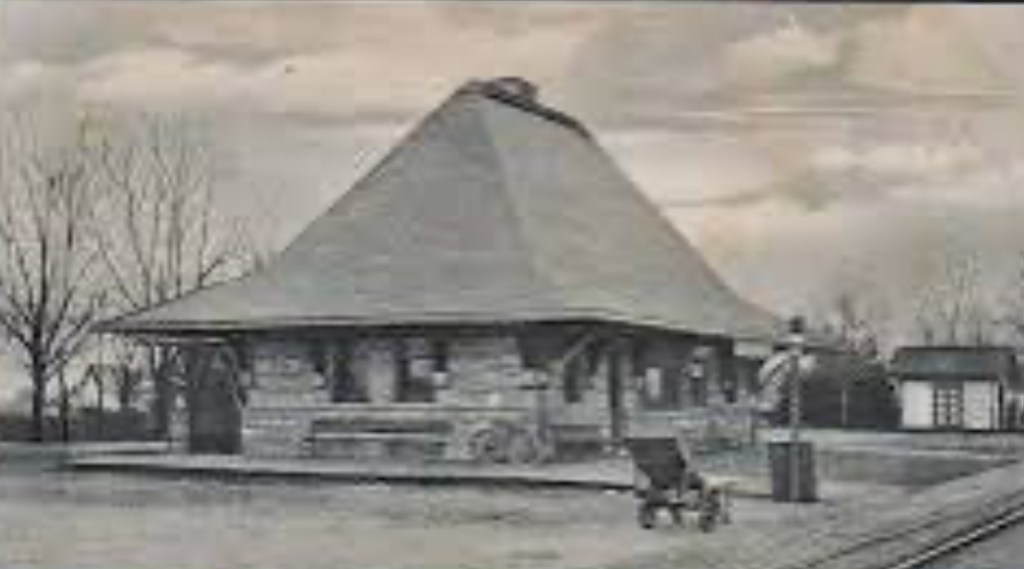
Located 47 miles to the south of New York City, bordering Red Bank, Fair Haven and Rumson, home to 12-acre Parker, Sickles Farm Park, with a population of a cat’s whisker over 6,000 residents, we find the Borough of Little Silver. An exclusive community majestically nestled alongside the Shrewsbury River. This Monmouth County borough speaks to boating and water sports enthusiasts.
The beginning for Little Silver was that of a quiet agricultural community. With fisheries adding to the borough’s landscape in its earliest days.
Little Silver’s history dates back to 1663. To a King’s Land Grant. A land grant from Great Britain by the King of England, King Charles II.
Two years after King Charles’ land grant, a Rhode Island Quaker by the name of Peter Parker settled with his family in what went on to become Little Silver. This, in 1665.
Our borough’s name of “Little Silver.”
The origin for “Little Silver” came about when Peter Parker named his new settlement in Monmouth County after his father’s Portsmouth, Rhode estate. His father’s Portsmouth estate, Little Silver.
With Parker’s arrival along the Shrewsbury, neighboring settlements forming around Parker’s Homestead affectionately referred to the area as Parkerville. As a tribute to Peter Parker.
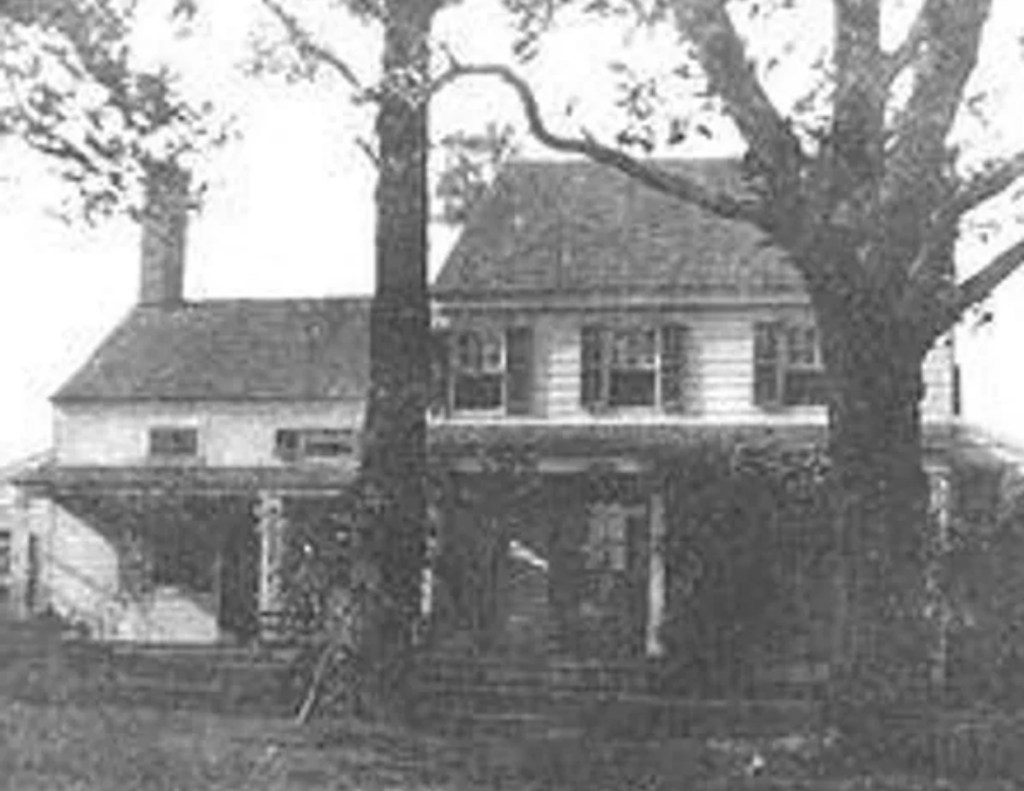
The Parker Homestead was built in 1720. Built on today what would be Rumson Road, alongside Parker’s Creek.
Parker family descendants resided at the original Homestead for over three-hundred years. The last Parker residing at the original Homestead was Julie Parker.
The last surviving Parker Homesteader, Julie Parker passed away in 1995. Her death marking an end to 330 years of uninterrupted occupancy at the original Homestead by a member of the Parker family.
From early settlement, to destination point.
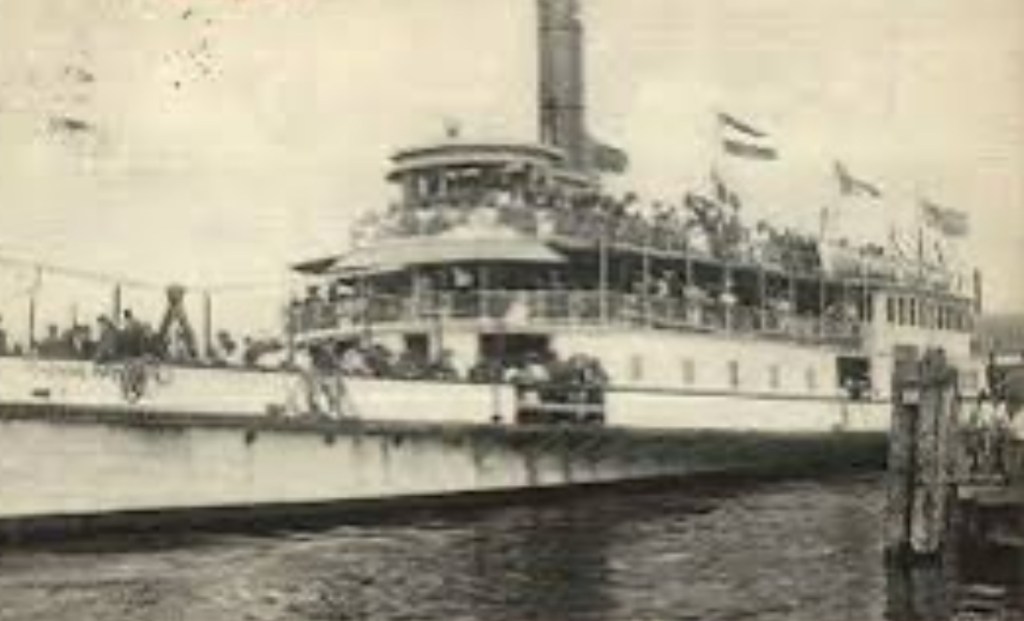
During the 19th Century the emergence of steamboats added to Little Silver’s guest list. With Patten Line Steamboats handling maritime transportation to and from Little Silver.
This topic of steamboat travel and Little Silver connect us to one steamboat captain in particular. A steamboat captain to whom an epoch found within Little Silver’s past is correlated. A steamboat captain whose signature was scripted to Little Silver in the 19th Century.
A steamboat captain: the founding father of Little Silver Point.
In 1844 a steamboat captain by the name of John Borden arrived in Little Silver. Relocating to Little Silver from nearby Red Bank. With his arrival in Little Silver, John Borden proceeded to establish Little Silver Point. An unincorporated section of Little Silver.
Prior to the establishment of Little Silver Point, this peninsula in Little Silver’s northeast corner had been not much more than farmland. And soggy saltwater marshes.
The arrival of John Borden in Little Silver marked the beginning of a transformation for the peninsula.
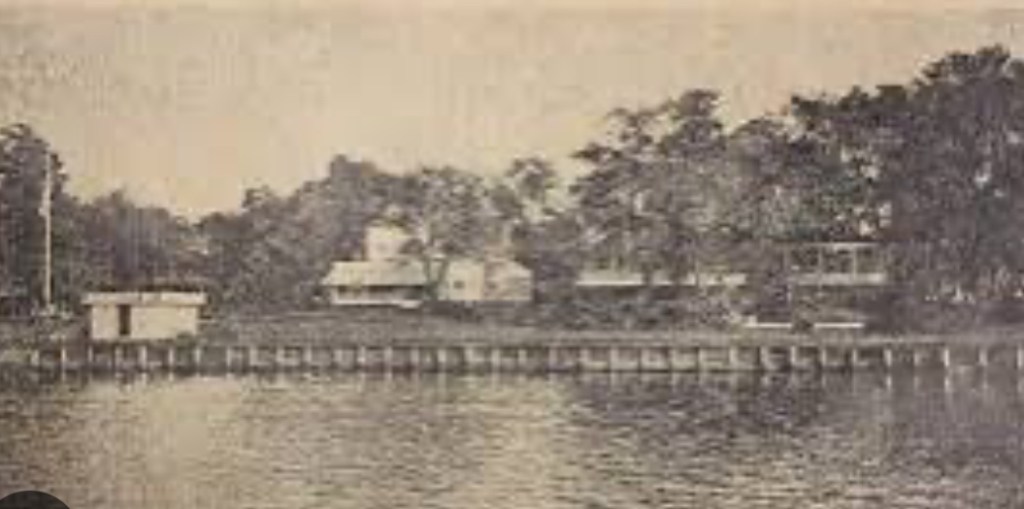
Little Silver Point changed. Taking on a new identity. One scripted by the construction of fancy hotels on the peninsula.
Those early hotels built in Little Silver Point would accommodate visitors coming to a new Little Silver Point. On steamboats. Little Silver’s farms and marshes, no longer defining fabric for the peninsula.
John Borden’s lot in life had always been his pioneering of steamboats. Steamboats let New Yorkers come to Little Silver Point. Little Silver Point became a sought-after resort. Guests arriving in Little Silver Point atop steamboat decks.
John Borden passed his steamboat acumen on to his son, Richard Borden. Cementing the Bordens in Little Silver history, Richard Borden went on to operate Silver Bay House in Little Silver.
Borden’s Silver Bay House became the place to go for New Yorkers who came to Little Silver on Patten Line steamboats.
Patten Line’s path to Little Silver’s riverside hotels was the Shrewsbury River. The Patten Line connected Monmouth County to Battery Park from the end of the Civil War to the 1930’s.
It was a sixty year-run for those Patten Line steamboats which started their voyages in Battery Park. Arriving in Monmouth County on the Shrewsbury River.
Accompanying 19th Century steamboat travel, the advent of passenger trains contributed to Little Silver’s accessibility.
Construction of The Little Silver Train Station occurred in 1875. Little Silver’s station was built by the New York and Long Branch Railroad.
The original station in Little Silver served passengers for fifteen years. From 1875 through 1890.
The original station was replaced in 1890 by the structure which still stands along tracks in Little Silver to this day. At the intersection where Branch Avenue meets Sycamore Avenue.
The one-hundred thirty-six year old station we find in Little Silver at 705 Branch Avenue in 2026 gets commuters to Newark’s Penn Station. And New York’s Penn Station.
The Little River Train Station, with its sandstone exterior and its distinct slate roof, was the creation of a famed architect from Brookline, Massachusetts.
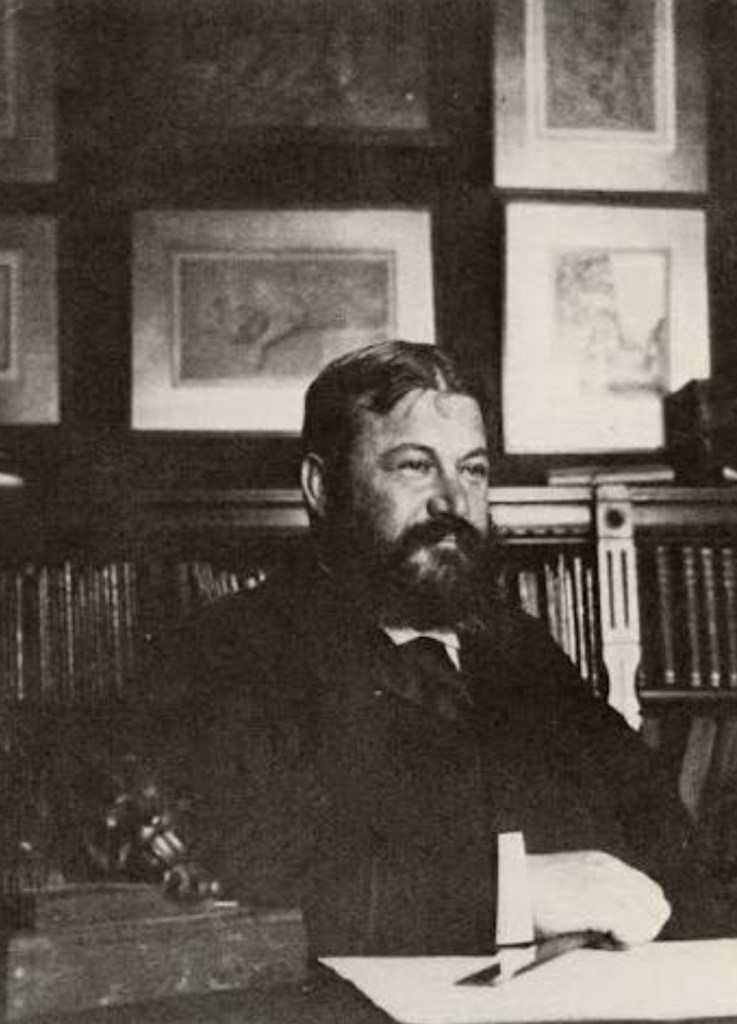
The Little River Train Station architectural design is attributable to Henry Hobson Richardson.
Henry Hobson Richardson’s contributions to the American architectural landscape include The Little Silver Train Station, Trinity Church and the Boston Public Library.
Up through 1923 Little Silver had been part of Shrewsbury Township. Little Silver became its own municipality through an act of the New Jersey legislature in March of 1923.
Little Silver’s history is intertwined with the Shrewsbury River. This connection of borough to waterway, foretelling still Little Silver of today.
In 2026, nearly 10% of all homes in Little Silver touch the banks of the Shrewsbury River.
Four hundred years after King Charles’ land grant to this riverside settlement, the river remains an anchor for the settlement.
Long, long ago, the Shrewsbury River functioned as a maritime agent for those visiting Little Silver Point. Today, the Shrewsbury River can be characterized as a waterway pillar. A waterfront pillar upon which a stock of distinct Monmouth County real estate now proudly resides.
 Thinking About Becoming a Real Estate Developer?