Lumber: types and uses


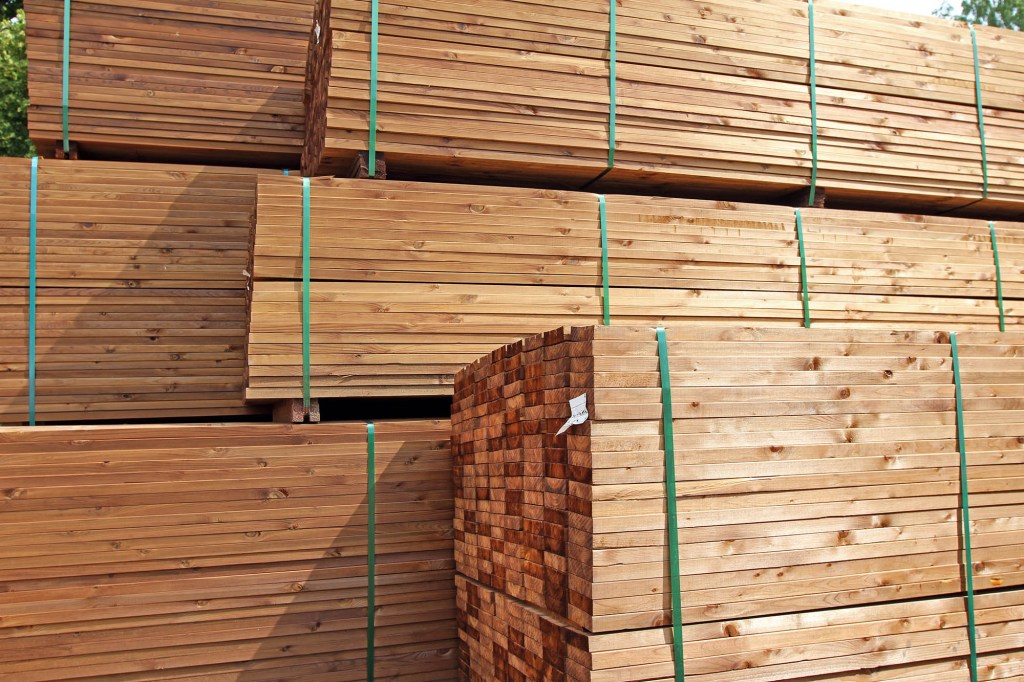
Framing lumber – I.e.: dimensional lumber – is the lumber used by builders in new home construction when, as our category foretells, we are talking about framing the new home. Framing the home and lumber…which brings us to an acronym. SPF.


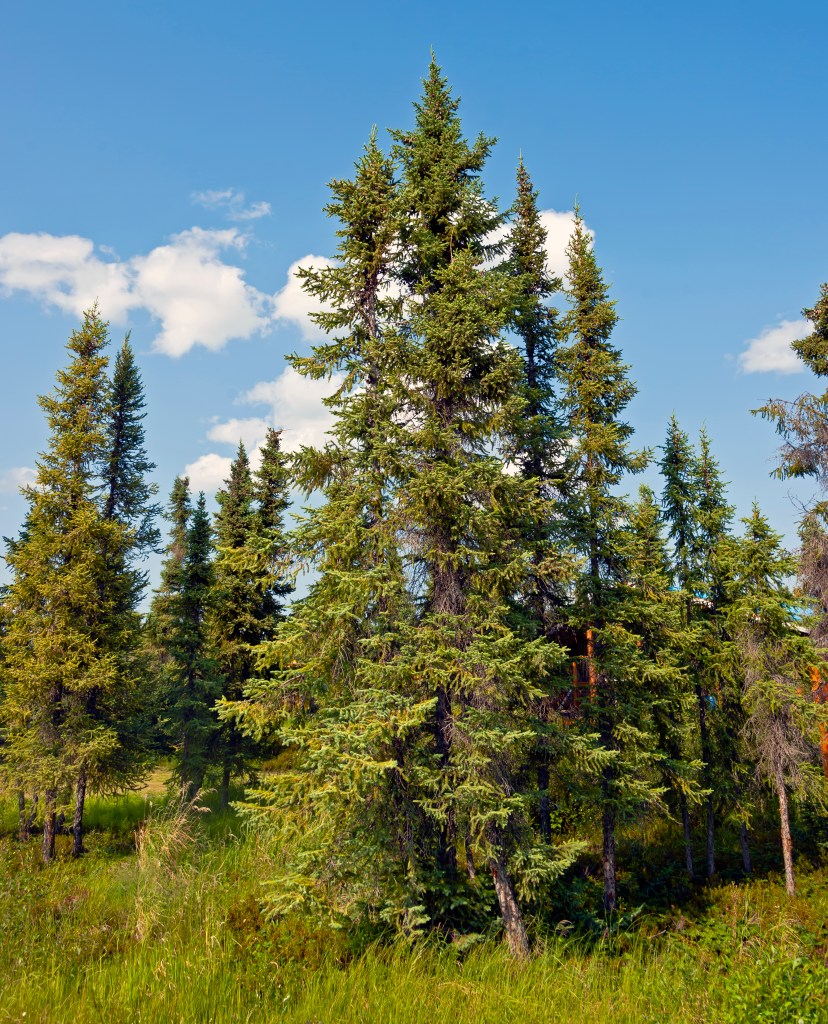
SPF. Spruce. Pine. Fir. This grouping, an attractive combination of strength and affordability. Spruce, pine and fir. More commonly referred to as SPF. The types of lumber builders use for different elements of framing.

Spruce, pine and fir are milled together. By milling SPF, you end up with standard dimensions of lumber – 2 x 4’s, 4 x 4’s and 2 x 6’s. 

Let’s look at the “F” in our SPF – fir. Douglas fir.


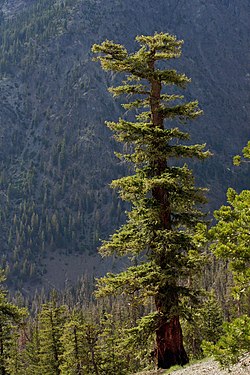
Douglas fir is a type of lumber which is a core component in new home construction. Builders use Douglas fir for joists, posts and beams. Yet, not for trusses. 

Southern Yellow Pine – when using pine for this specific application – is the preferred pine when it comes time for trusses. Although the “S” in our SPF – spruce – would more typically be used by builders for trusses. Moreso, than Southern Yellow Pine.


Spruce is known for its structural benefits. Hence, the use of spruce for trusses. Spruce is also known for its keen aesthetics. 

While spruce is used in load-bearing capacities – I.e.: for trusses (as well as for floor joists and wall studs) –  spruce is also used for interior finishes. Paneling. Molding. Trim. Spruce takes paint and stain quite well. Hence, the utilization of spruce for interior finishes.

Let’s look at the pricing of spruce…


One 1 x 3 x 16 board of spruce can be purchased by builders at, in the range of, $8.00/piece. While one piece of 1 x 4 x 16 spruce would be priced, in the range of, $10/piece.

In regard to the flooring, the trim and the cabinetry going into the new home, builders utilize a hardwood. Commonly, builders will use oak.  

There are several reasons why oak is not used by builders for framing. First off, oak tends to be pricier than SPF. While the (general) higher cost of oak – as compared to SPF – makes oak cost prohibitive when it comes time to frame the new home, cost is not the only reason homes are not framed with oak. Nor the main reason.

Oak has a tendency to split when nailed. So framing and oak? Quite simply, that’s just a bad “marriage.”

Let’s look, for a moment, into how much lumber a builder will need in order to build a home…

To construct one 4,000 square foot home, a builder will typically use between 20,000 to 25, 000 board feet of lumber. Which brings us to the “F” in our SPF – fir. Douglas fir. 

Douglas fir is one of the strongest – and the most durable – woods available to builders. This combination of strength and durability makes Douglas fir the optimal choice for builders when it comes time to frame the home. 

Douglas fir possesses exceptional dimensional stability. Furthermore, Douglas fir is not prone to warp. Nor to twist. Douglas fir…great for framing.

Let’s look, for a moment, at lumber prices…

For flooring, trim and cabinetry, builders like oak. So how much does oak cost? Well, that depends. 

4/4 Red Oak, 1-99 board feet, is priced in the range of $5.00/board foot. Which means, Red Oak would be classified as a rather inexpensive type of oak. 

Whereas Red Oak is a rather inexpensive type of oak, 4/4 Spessart Oak, 1-99 board feet, will range in price from between $22/board foot to $25/board foot. As compared to Red Oak, Spessart Oak would then be classified as a rather expensive type of oak. 

Spessart Oak – consisting of a fine texture – is a white oak found in the Spessart Forest in Germany. 


Red Oak is native to Canada – Nova Scotia and Ontario – as well as to the United States – Georgia, Mississippi, Nebraska and Oklahoma.

The new home the builder builds will, more likely than not, have oak cabinets. So, the type of cabinets the builder selects – combined with the type of oak used for those cabinets – will correlate to cabinet quality. And to cost. For example, using the two aforementioned types of oak – Red and Spessart – Spessart Oak cabinets will be more costly than Red Oak cabinets. 

We examined the cost of oak. As the type of oak – ranging from $5.00/board foot for Red Oak to $22 to $25/board foot for Spessart Oak – is determinative of the builder’s costs, in regard to his or her utilization of oak. As then so too will be the type of lumber used – in this case, oak – when it comes to the price of the home. Once construction of the home is complete. 

So let’s now look at SPF once again. This time, let’s look at the “P” – pine. And let’s look at the price of pine. 

The price of pine has a range. From mid-$2.00/board foot. To a high of $3.00/board foot. 

For example…

Builders can order 4/4 Eastern White Pine at a price of $2.50/board foot. 

While Poplar – a different type of pine – is more expensive. Poplar can be ordered by builders at $3.75/board foot. 


When building the home, White Pine and Poplar would be used for decorative elements. For interior trim. As well as for paneling.

So let’s look at framing. And lumber costs. For our 4,000 square foot home. 

4 x 4 Douglas fir will range in price from $10.00/board foot to $16.00/board foot. 

Let’s use a Douglas fir price of $15.00/board foot for our new 4,000 square foot home. And let’s say the builder needs 25,000 board feet of Douglas fir to build that new home.

25,000 board feet of Douglas fir – at a price of $15/board foot – would give us a total lumber cost of $375,000.

Lumber: types and uses

Framing lumber – I.e.: dimensional lumber – is the lumber used by builders in new home construction when, as our category foretells, we are talking about framing the new home. Framing the home and lumber…which brings us to an acronym. SPF.

SPF. Spruce. Pine. Fir. This grouping, an attractive combination of strength and affordability. Spruce, pine and fir. More commonly referred to as SPF. The types of lumber builders use for different elements of framing.

Spruce, pine and fir are milled together. By milling SPF, you end up with standard dimensions of lumber – 2 x 4’s, 4 x 4’s and 2 x 6’s. 

Let’s look at the “F” in our SPF – fir. Douglas fir.

Douglas fir is a type of lumber which is a core component in new home construction. Builders use Douglas fir for joists, posts and beams. Yet, not for trusses.

Southern Yellow Pine – when using pine for this specific application – is the preferred pine when it comes time for trusses. Although the “S” in our SPF – spruce – would more typically be used by builders for trusses. Moreso, than Southern Yellow Pine.
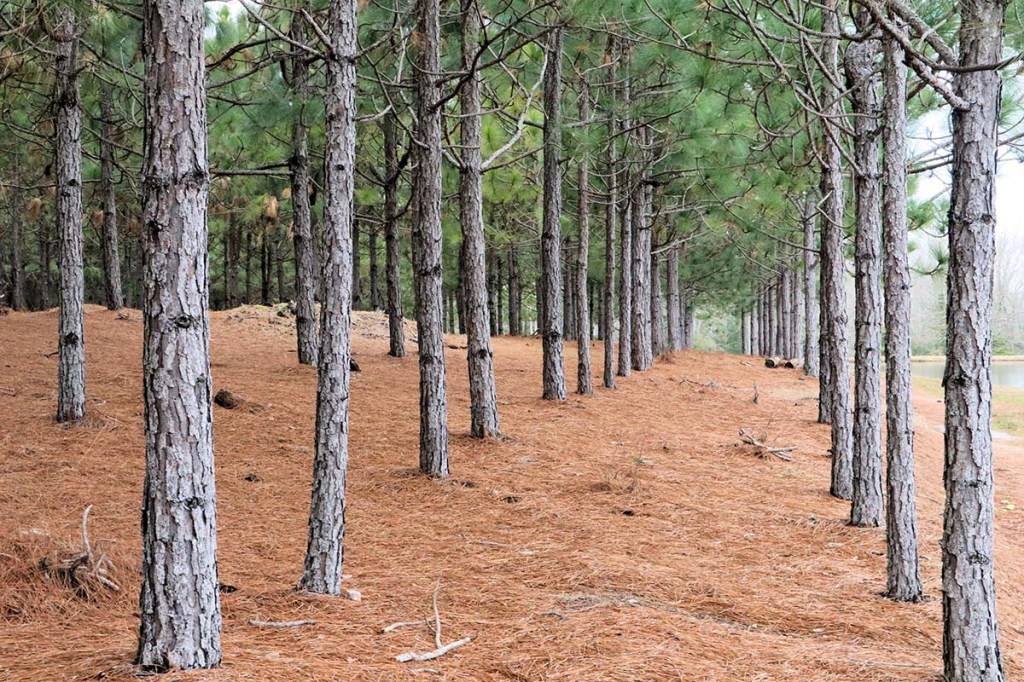

Spruce is known for its structural benefits. Hence, the use of spruce for trusses. Spruce is also known for its keen aesthetics. 

While spruce is used in load-bearing capacities – I.e.: for trusses (as well as for floor joists and wall studs) –  spruce is also used for interior finishes. Paneling. Molding. Trim. Spruce takes paint and stain quite well. Hence, the utilization of spruce for interior finishes.

Let’s look at the pricing of spruce…
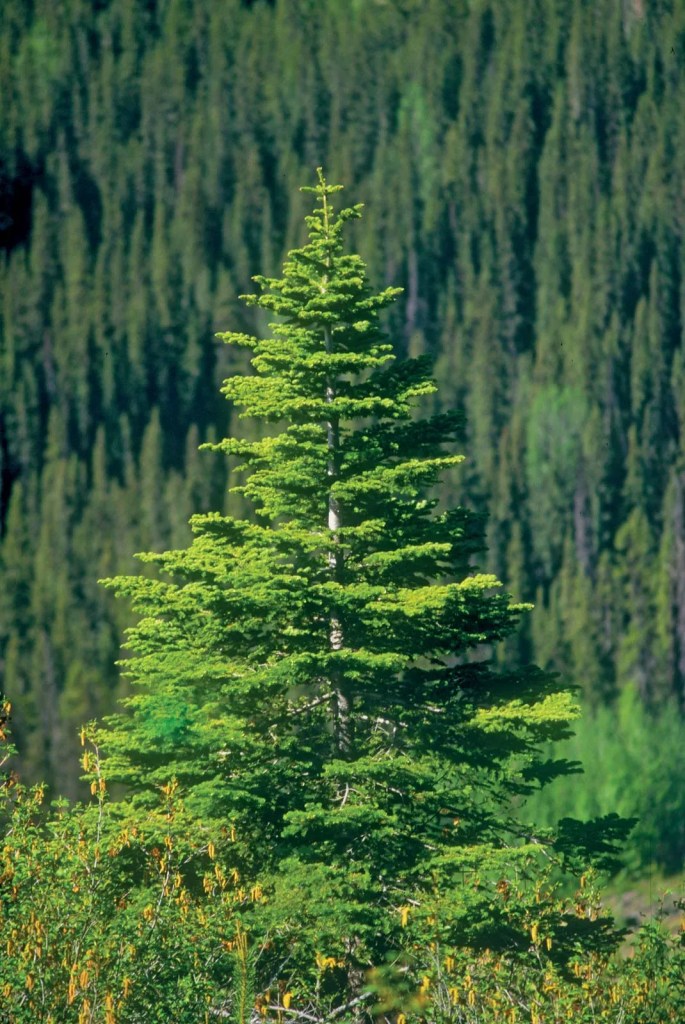

One 1 x 3 x 16 board of spruce can be purchased by builders at, in the range of, $8.00/piece. While one piece of 1 x 4 x 16 spruce would be priced, in the range of, $10/piece.

In regard to the flooring, the trim and the cabinetry going into the new home, builders utilize a hardwood. Commonly, builders will use oak.  

There are several reasons why oak is not used by builders for framing. First off, oak tends to be pricier than SPF. While the (general) higher cost of oak – as compared to SPF – makes oak cost prohibitive when it comes time to frame the new home, cost is not the only reason homes are not framed with oak. Nor the main reason.

Oak has a tendency to split when nailed. So framing and oak? Quite simply, that’s just a bad “marriage.”

Let’s look, for a moment, into how much lumber a builder will need in order to build a home…

To construct one 4,000 square foot home, a builder will typically use between 20,000 to 25, 000 board feet of lumber. Which brings us to the “F” in our SPF – fir. Douglas fir. 

Douglas fir is one of the strongest – and the most durable – woods available to builders. This combination of strength and durability makes Douglas fir the optimal choice for builders when it comes time to frame the home.

Douglas fir possesses exceptional dimensional stability. Furthermore, Douglas fir is not prone to warp. Nor to twist. Douglas fir…great for framing.

Let’s look, for a moment, at lumber prices…

For flooring, trim and cabinetry, builders like oak. So how much does oak cost? Well, that depends.

4/4 Red Oak, 1-99 board feet, is priced in the range of $5.00/board foot. Which means, Red Oak would be classified as a rather inexpensive type of oak. 
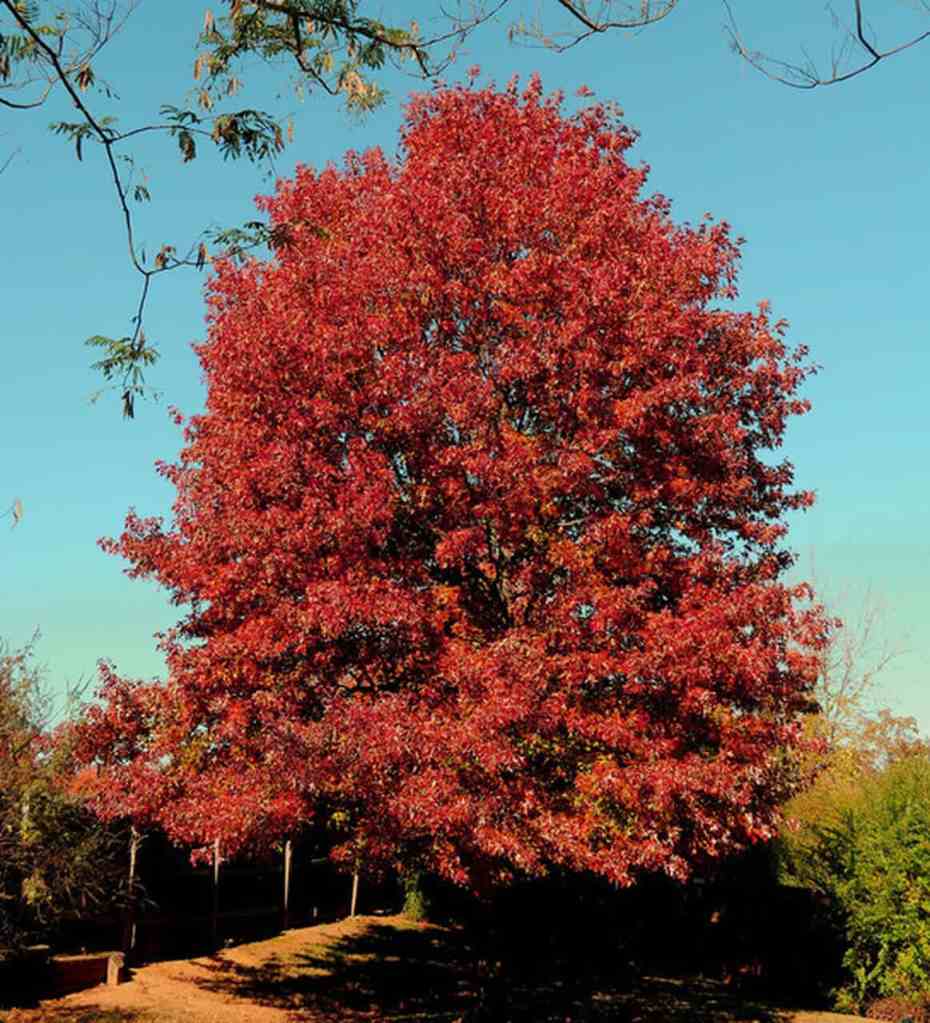
Whereas Red Oak is a rather inexpensive type of oak, 4/4 Spessart Oak, 1-99 board feet, will range in price from between $22/board foot to $25/board foot. As compared to Red Oak, Spessart Oak would then be classified as a rather expensive type of oak. 

Spessart Oak – consisting of a fine texture – is a white oak found in the Spessart Forest in Germany.
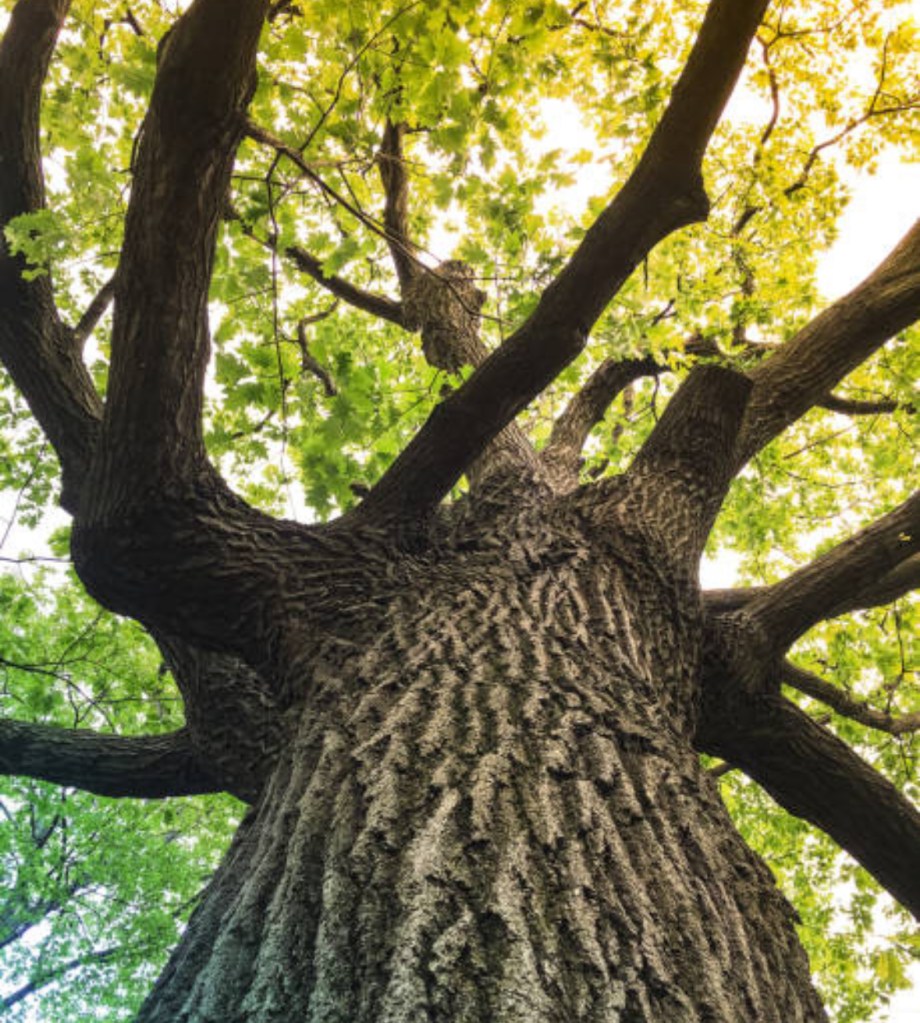

Red Oak is native to Canada – Nova Scotia and Ontario – as well as to the United States – Georgia, Mississippi, Nebraska and Oklahoma.

The new home the builder builds will, more likely than not, have oak cabinets. So, the type of cabinets the builder selects – combined with the type of oak used for those cabinets – will correlate to cabinet quality. And to cost. For example, using the two aforementioned types of oak – Red and Spessart – Spessart Oak cabinets will be more costly than Red Oak cabinets. 
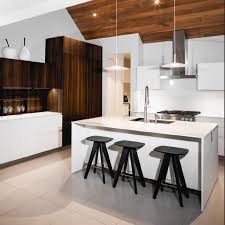
We examined the cost of oak. As the type of oak – ranging from $5.00/board foot for Red Oak to $22 to $25/board foot for Spessart Oak – is determinative of the builder’s costs, in regard to his or her utilization of oak. As then so too will be the type of lumber used – in this case, oak – when it comes to the price of the home. Once construction of the home is complete.

So let’s now look at SPF once again. This time, let’s look at the “P” – pine. And let’s look at the price of pine. 

The price of pine has a range. From mid-$2.00/board foot. To a high of $3.00/board foot.

For example…

Builders can order 4/4 Eastern White Pine at a price of $2.50/board foot.
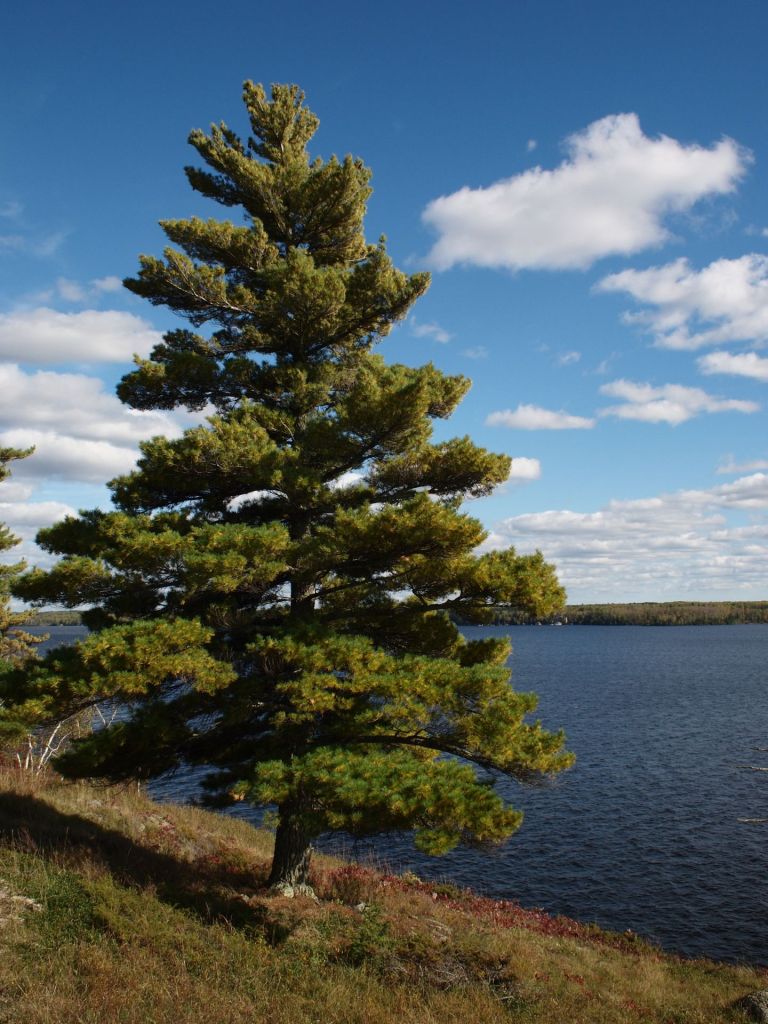
While Poplar – a different type of pine – is more expensive. Poplar can be ordered by builders at $3.75/board foot. 
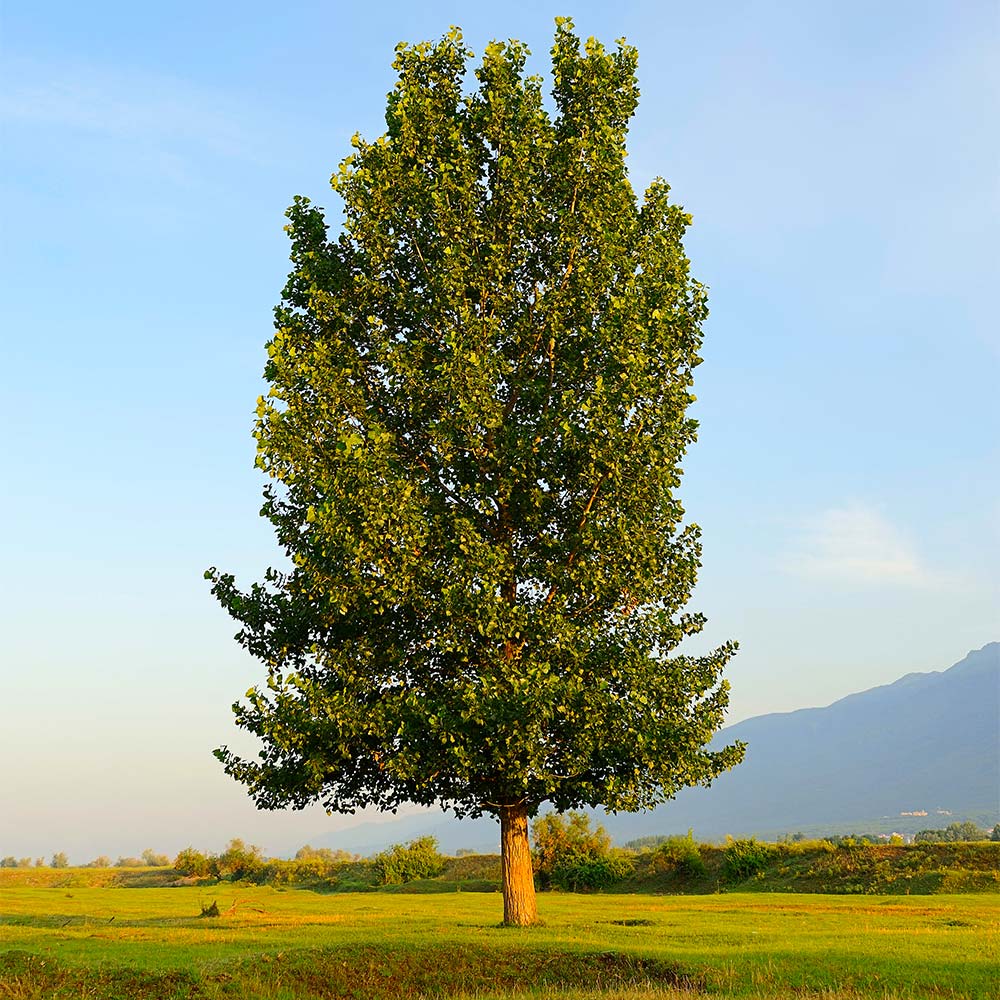

When building the home, White Pine and Poplar would be used for decorative elements. For interior trim. As well as for paneling.

So let’s look at framing. And lumber costs. For our 4,000 square foot home. 

4 x 4 Douglas fir will range in price from $10.00/board foot to $16.00/board foot.

Let’s use a Douglas fir price of $15.00/board foot for our new 4,000 square foot home. And let’s say the builder needs 25,000 board feet of Douglas fir to build that new home.

25,000 board feet of Douglas fir – at a price of $15/board foot – would give us a total lumber cost of $375,000.
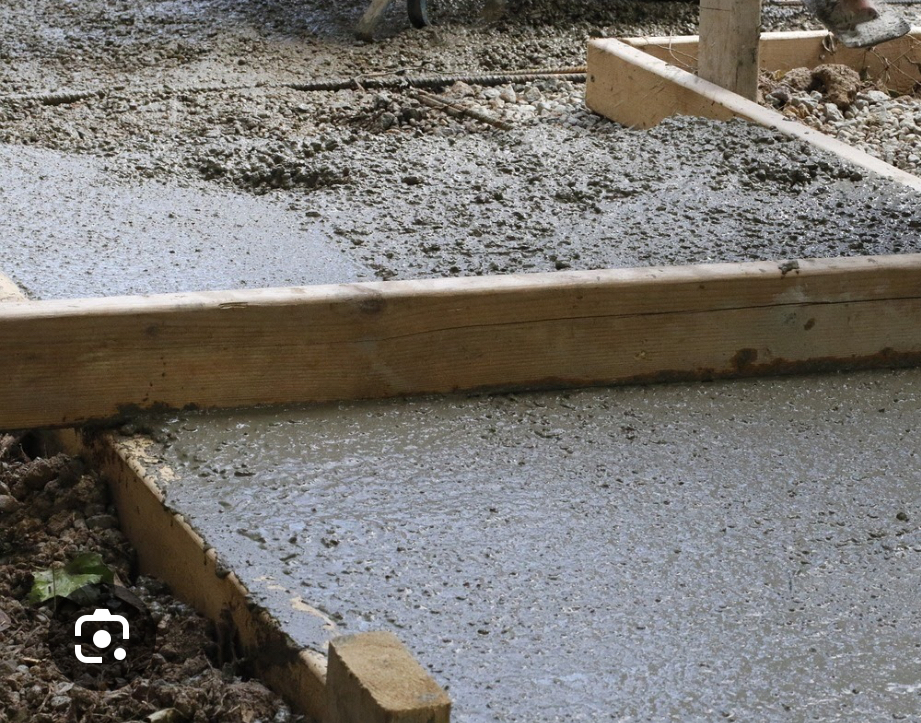
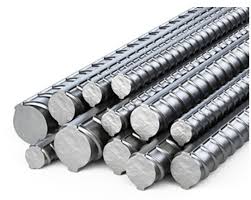
Considering poured concrete for your backyard project?


Poured concrete comes about through the placement of liquid concrete in a wood pre-built form. Poured concrete contents? Cement, which is mixed with water, sand and gravel…shaped. As this mixture of cement, water, sand and gravel is poured into your form. 

You’ll want to strengthen your poured concrete. How do you do this?

To strengthen your poured concrete, you can use steel rods in your form. These steel rods are rebar.

Why use rebar?


Poured concrete – with rebar – is stronger than poured concrete without rebar.

Rebar provides reinforcement. Thus, rebar reduces the likelihood of a cracked concrete surface in the future.

The curing process of poured concrete – I.e: hardening – can take several days. In some cases, up to a few weeks. The amount of time it takes to cure your poured concrete is dependent upon several conditions. One of those conditions being, the weather.


Once your poured concrete has been cured, the form is then removed. The concrete structure you end up with is ready for its role in your hardscaping project.

I’m thinking about going with poured concrete, while pavers are still an idea that I am considering…


At the onset, selecting pavers for your backyard hardscaping project would be a bigger hit to your wallet than poured concrete would be. Short term. Over time, the higher up-front cost you will incur by going with pavers over poured concrete can be weighed against the lower maintenance costs you will incur, by using pavers. In comparison to poured concrete. 

The lower costs you will benefit from by going with pavers is due to the fact that pavers are more durable than poured concrete. Pavers are able to incur more wear-and-tear. Pavers hold up better with extreme changes in temperature.

For example…

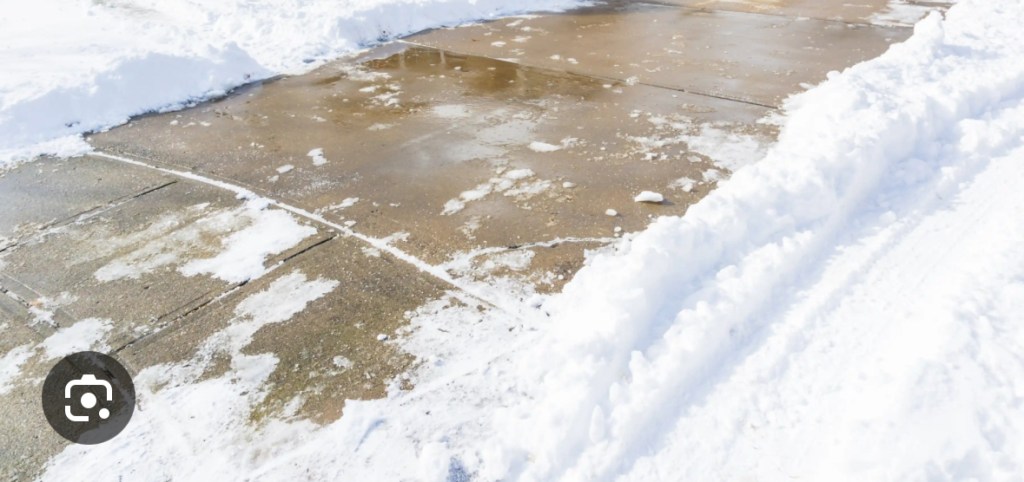
In parts of the country which are prone to freeze-thaw cycles – I.e.: the Midwest and the Notheast – pavers will be able to aptly withstand those stark changes in temperature. More so than poured concrete. Which makes where you live one factor to consider when choosing between poured concrete and pavers.


Concrete is prone to crack. And stain.

Cracks or stains in your concrete – in most cases – can be repaired. However, when concrete does crack, a full replacement of your concrete surface is a possibility. And, if so, an expensive one at that.

Whereas with pavers, if you do incur surface damage, you will be able to replace the damaged individual paver. Or, the pavers. 

Factors to consider as you embark upon your next backyard project. 

Your Paver Patio Subsurface


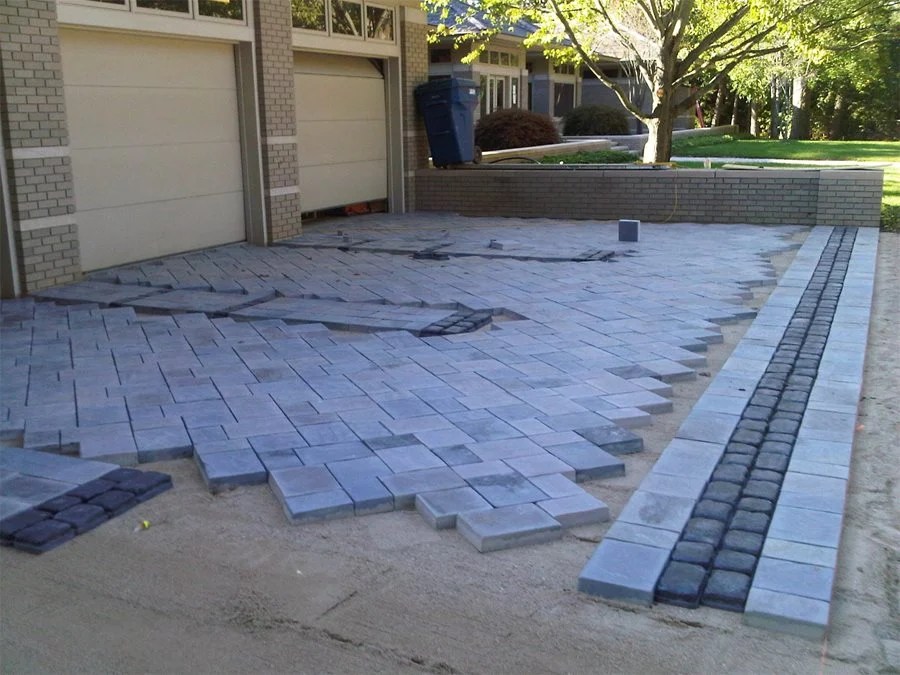
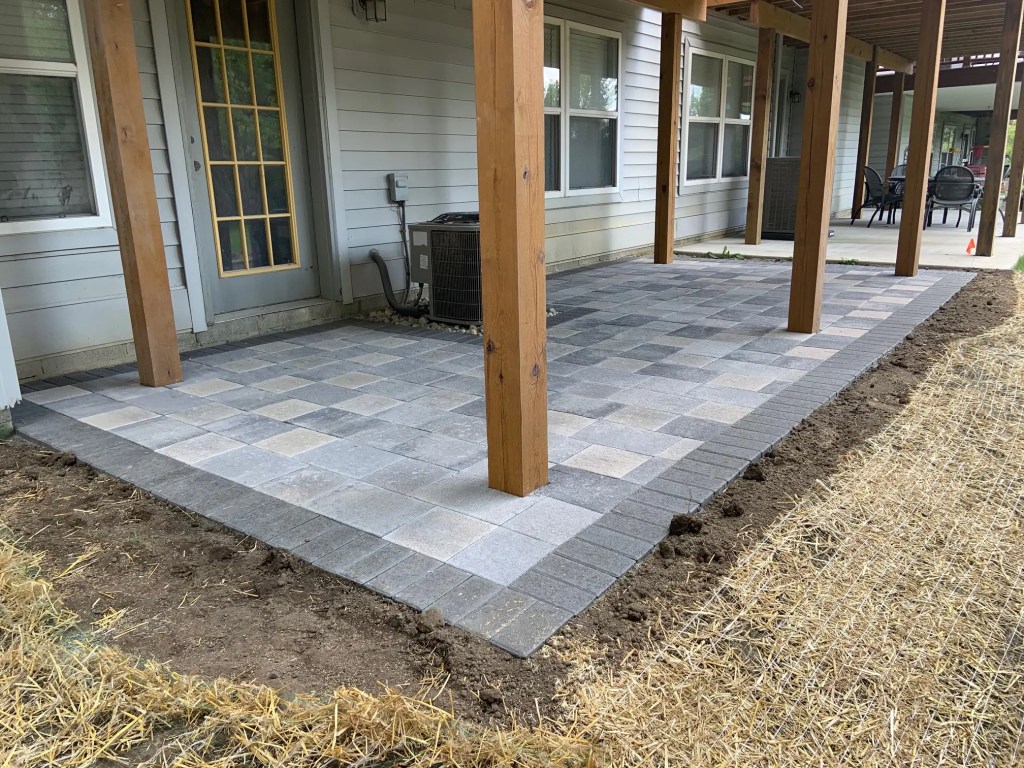
A well-prepared patio subsurface is crucial for long-term stability and drainage. Your patio subsurface is your patio’s foundation. With the proper foundation, you will ensure that your patio stays level. Preventing pavers from shifting. The result? You will have a durable, aesthetically pleasing patio. 

So what goes into a strong patio foundation? QP, DGA, 1” blend, crusher run.

Quarry process (“QP”), Dense Graded Aggregate (“DGA”), 1″ blend and crusher run. Four denominations used to identify an ingredient which is necessary in order to create the strong patio subbase you are looking for. An ingredient which is tantamount to the creation of the strong patio subbase you will want (and need) when you add that new paver patio to your outdoor living space. 

So, let’s talk a little bit about this important construction ingredient…

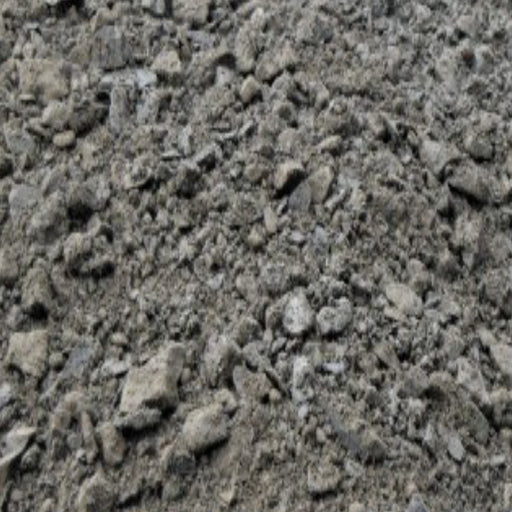
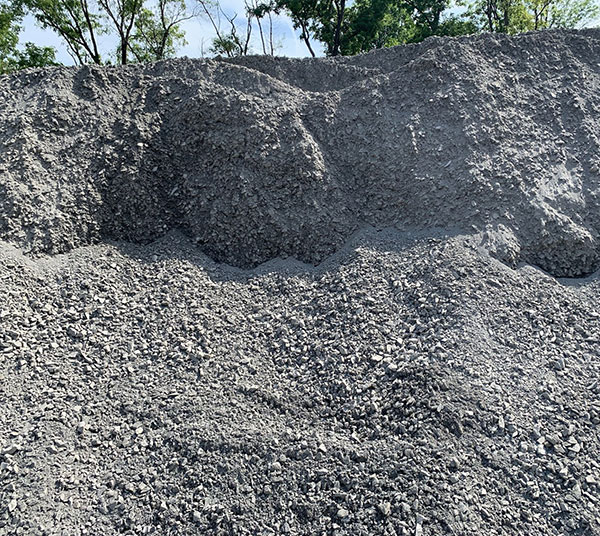
QP – DGA – 1” blend – crusher run is an aggregate which has been crushed and re-sized. Its altered composition? With QP – DGA – 1” blend, you have a collection of stones, 1” and smaller. With crusher run? Re-sized stones with a range in sizes which can be a tad larger than QP, DGA or 1” blend. With crusher run, you have an aggregate consisting of stones up to 1 1/2 inches in diameter…down to minuscule dust particles.


Your paver patio subbase will consist of a foundation which is made up of filtered, re-sized stones – up to either 1” or 1 1/2” in diameter, stone dust and gravel. Your patio subbase.


What are some of the benefits you will attain by using QP, DGA, 1” blend or crusher run when you construct your paver patio?

QP – DGA – 1” blend – crusher run are load bearing aggregates. By using a load bearing aggregate – coupled to adherence to the recommended level for your QP – DGA – 1” blend – crusher run subbase, your Cambridge, or Unilock or Techo-Bloc pavers will require a lower level of future maintenance. Translation? Fewer patio repairs. Less money spent on patio upkeep.

Furthermore, QP – DGA – 1” blend – crusher run is resistant to damage to your patio resulting from cold weather and frost. On top of this, using QP – DGA – 1” blend – crusher run as an ingredient for your patio’s subsurface will lessen concerns about erosion.

How does QP – DGA – 1” blend – crusher run work? This aggregate stabilizes your compacted base. In a nutshell, QP – DGA – 1” blend –crusher run establishes your optimal patio subgrade.

Stability, support and drainage…

QP – DGA – 1” blend – crusher run also creates an efficient drainage system. While preventing settlement. 

Sold by the ton, you’ll want to purchase at least one ton of QP – DGA – 1” blend – crusher run for every 30 square feet of paver patio that you intend to construct. 

For example…

If your hardscaping calls for building a 2,000 square foot patio – so as to accentuate the beauty within your backyard blueprint – you’ll want a delivery of 67 tons of QP – DGA – 1” blend – crusher run.

The ideal thickness of the QP – DGA – 1” blend – crusher run you will have beneath your new paver patio? Between four to six inches. 

Building your retaining wall…some math, some measurements.


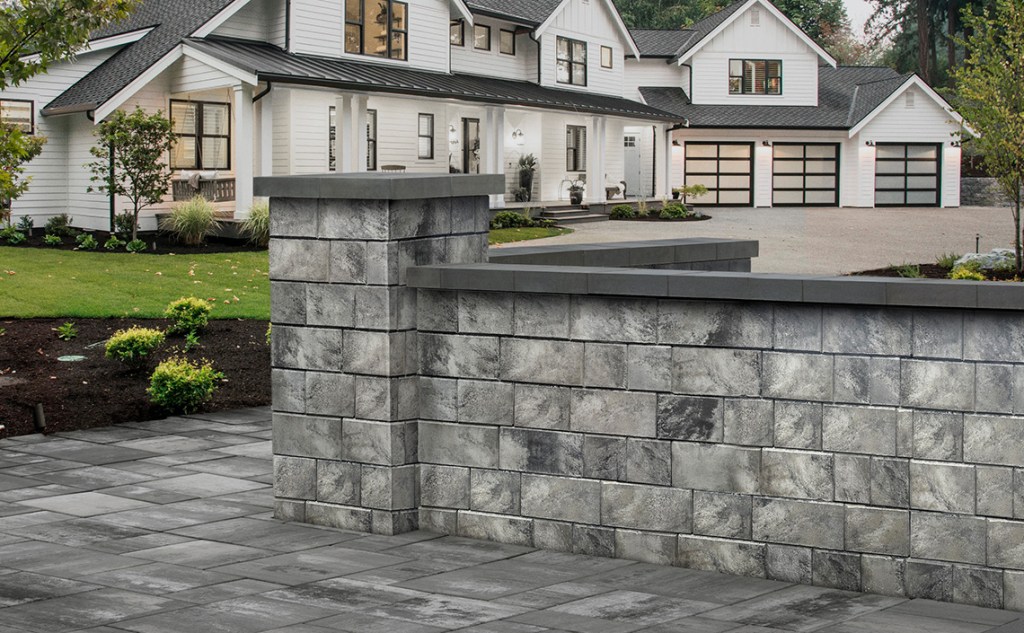
Retaining walls can be built using concrete blocks, bricks, wood or natural stone. Let’s assume that you come to the decision that you just love how a concrete block retaining wall will contribute to the organic flow of your backyard. Ok. So your next step is to determine how many blocks you need.

In order to determine the number of blocks you need for your retaining wall, first, figure out your measurements.  

You need the total length of the retaining wall you intend to build. You also need to determine the height of the retaining wall you intend to build. You now have the length and the height for your project.

With your retaining wall length and height determined, you will now be able to figure out how many pavers you need.

One visually appealing – and durable – option to consider when building your retaining wall will be Cambridge pavers. Here is why…

The core ingredient of Cambridge pavers is high-density concrete. The engineering behind Cambridge pavers -behind the idea of using high- density concrete pavers – offers the combination of strength and a smooth, non-porous surface.

The smooth, non-porous surface of Cambridge pavers prevents water from seeping in. While at the same time, the high-density composition makes these pavers resistant to wear-and-tear. And to weather damage.

How many Cambridge pavers do I need to build my retaining wall?

Divide the length of your finished retaining wall by the length of one Cambridge paver. Let’s say you elect to go with Cambridge Ledgestone pavers. Cambridge Ledgestone pavers have a total length of 9 inches, per paver. Divide the length of your retaining wall by 9 inches (the length of the Cambridge Ledgestone paver). The number you arrive at provides you with the number of Cambridge Ledgestone pavers you will need – per course – to build your retaining wall. 

The height of your retaining wall…

Divide the height of your finished retaining wall by the height of one Cambridge Ledgestone paver. Cambridge Ledgestone pavers have a height of 2 3/8 inches, per paver. Wall height, divided by 2 3/8. Now you have the number of courses in your retaining wall.

You figured out length…check. You figured out height…check. You have two numbers…

Next, multiply these two numbers together. You now have the number of Cambbridge Ledgestone pavers you need to build your retaining wall. 

Your foundation…

First, ensure that you will be building your retaining wall on a level base. Then, dig a trench. The trench is for your first course of pavers. 

The depth of your dig…

The trench you dig should be deep enough so that, when you set your Cambridge pavers, half of each paver is visible, above ground.

We know that the height of one Cambridge Ledgestone paver is 2 3/8 inches. And your retaining wall will be set upon a paver base. You’ll need at least three inches of paver base. 

Cambridge pavers height – 2 3/8 inches.

Paver base – 3 inches.

By adding three inches – your paver base – to 2 3/8 – the height of one Cambridge Ledgestone paver – you arrive at 5 3/8 inches. And you know you will want at least half of your first course of pavers to be exposed, above ground level.

So, you figured it out for yourself…

The depth of the trench you will dig to build your new retaining wall – using Cambridge Ledgedtone pavers – is between 4 to 5 inches. 

Time to start enjoying how that beautiful retaining wall you built created aesthetic non-intrusive boundaries in “your American Picasso” – your exquisitely-designed American backyard.