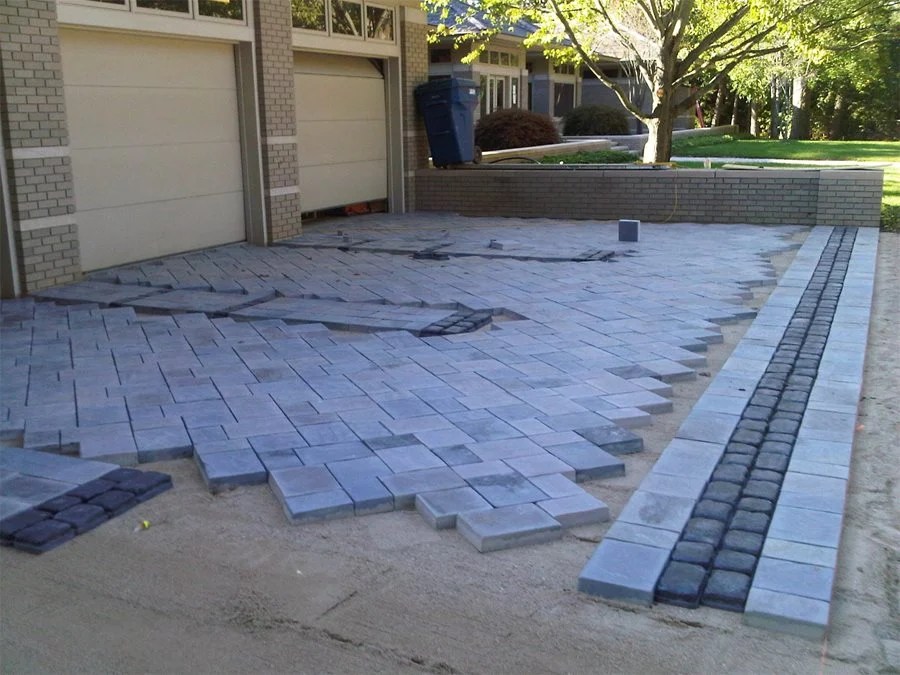
A well-prepared patio subsurface is crucial for long-term stability and drainage. Your patio subsurface is your patio’s foundation. With the proper foundation, you will ensure that your patio stays level. Preventing pavers from shifting. The result? You will have a durable, aesthetically pleasing patio.
So what goes into a strong patio foundation? QP, DGA, 1” blend, crusher run.
Quarry process (“QP”), Dense Graded Aggregate (“DGA”), 1″ blend and crusher run. Four denominations used to identify an ingredient which is necessary in order to create the strong patio subbase you are looking for. An ingredient which is tantamount to the creation of the strong patio subbase you will want (and need) when you add that new paver patio to your outdoor living space.
So, let’s talk a little bit about this important construction ingredient…
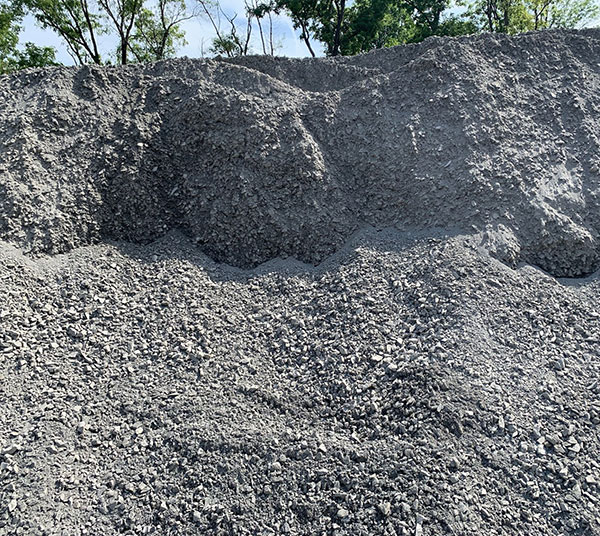
QP – DGA – 1” blend – crusher run is an aggregate which has been crushed and re-sized. Its altered composition? With QP – DGA – 1” blend, you have a collection of stones, 1” and smaller. With crusher run? Re-sized stones with a range in sizes which can be a tad larger than QP, DGA or 1” blend. With crusher run, you have an aggregate consisting of stones up to 1 1/2 inches in diameter…down to minuscule dust particles.
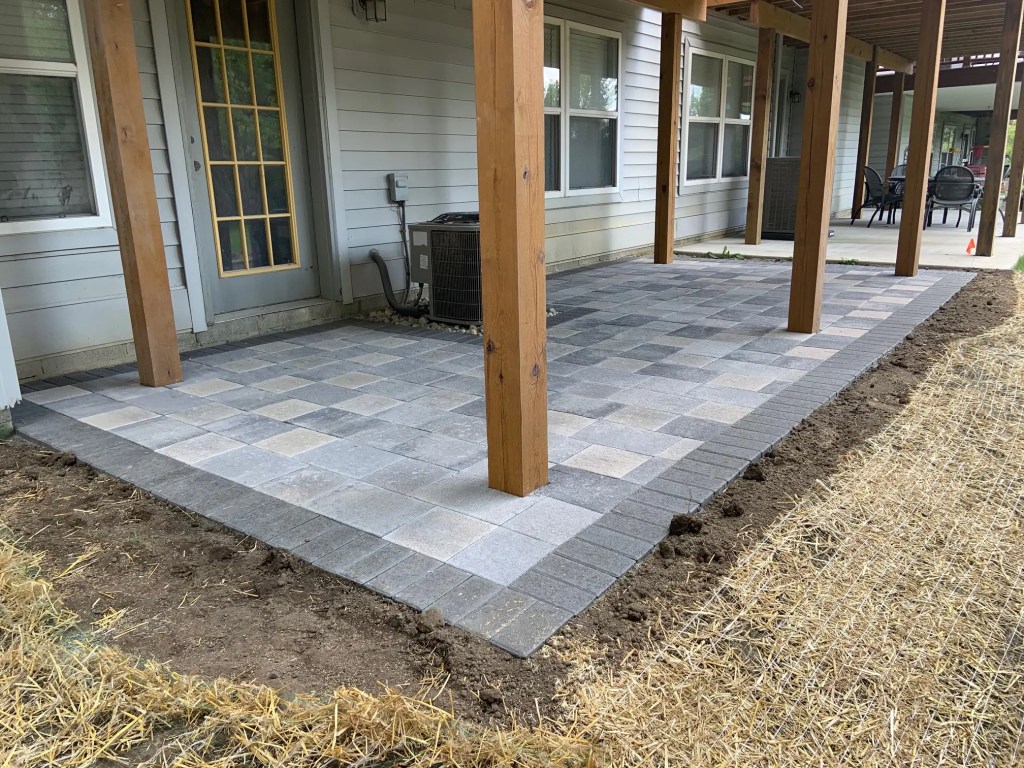
Your paver patio subbase will consist of a foundation which is made up of filtered, re-sized stones – up to either 1” or 1 1/2” in diameter, stone dust and gravel. Your patio subbase.
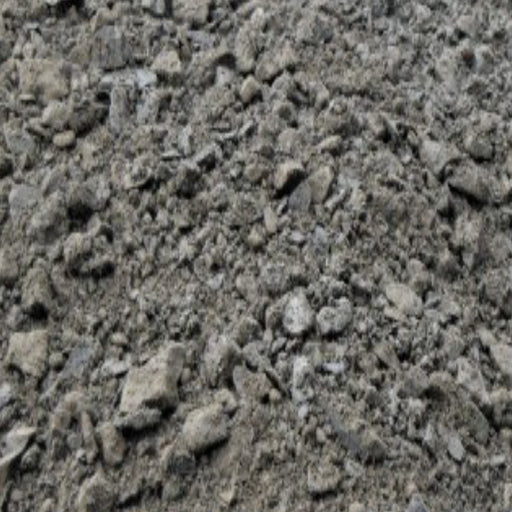
What are some of the benefits you will attain by using QP, DGA, 1” blend or crusher run when you construct your paver patio?
QP – DGA – 1” blend – crusher run are load bearing aggregates. By using a load bearing aggregate – coupled to adherence to the recommended level for your QP – DGA – 1” blend – crusher run subbase, your Cambridge, or Unilock or Techo-Bloc pavers will require a lower level of future maintenance. Translation? Fewer patio repairs. Less money spent on patio upkeep.
Furthermore, QP – DGA – 1” blend – crusher run is resistant to damage to your patio resulting from cold weather and frost. On top of this, using QP – DGA – 1” blend – crusher run as an ingredient for your patio’s subsurface will lessen concerns about erosion.
How does QP – DGA – 1” blend – crusher run work? This aggregate stabilizes your compacted base. In a nutshell, QP – DGA – 1” blend –crusher run establishes your optimal patio subgrade.
Stability, support and drainage…
QP – DGA – 1” blend – crusher run also creates an efficient drainage system. While preventing settlement.
Sold by the ton, you’ll want to purchase at least one ton of QP – DGA – 1” blend – crusher run for every 30 square feet of paver patio that you intend to construct.
For example…
If your hardscaping calls for building a 2,000 square foot patio – so as to accentuate the beauty within your backyard blueprint – you’ll want a delivery of 67 tons of QP – DGA – 1” blend – crusher run.
The ideal thickness of the QP – DGA – 1” blend – crusher run you will have beneath your new paver patio? Between four to six inches.
 Thinking About Becoming a Real Estate Developer?