Blairstown, New Jersey


Located in rustic Warren County, New Jersey, situated alongside the Paulins Kill River, nestled at the foothill of Mount Tammany, we find our storybook-of-a-township. With a resident count of just under 6,000. This quaint Warren County community, aptly named for its good son, John. Blairstown.

John, the 19th Century industrialist. John, the railroad man. John, the philanthropist. This township, nationally reknowned for its bad son, Jason, was built upon successes attained by its good son, John.

Jason, the other son. The bad son. The very bad son.

Jason, a famous Hollywood creation. The star of a slasher series. Jason Voorhees. Circa the original 1980 film, Friday the 13th. This, the very bad son of Blairstown. The bad son of Blairstown who demonstrated oh-so-horrific tendencies.

This town, where, on any given Friday, when that Friday falls on the 13th of the month, you can get your very own painted-on horror face. You can get your very own painted-on machete wounds. Your horror face and your machete wounds, compliments of Zella Bella’s Gaggle of Giggles. At the museum. A Blairstown gala, inspired by the bad son.

In this town, you can even have your own Friday the 13th-themed wedding. A wedding, held on the 13th of a month when that 13th of the month lands on a Friday. A Friday the 13th wedding. A ceremony, inspired by the bad son.

The local brews here? Try Slasher Stout and Camp Crystal Lake Water. Adult beverages, again, inspired by that very bad son. Beverages poured at Buck Hill Brewery and Restaurant. On Route 94. In Blairstown.


On a Friday in Blairstown, when that Friday lands on the 13th of the month, you’ll find costume contests. Costume contests held at the township museum. On Main Street. In Blairstown.

Or, maybe catch a screening of the original Friday the 13th movie at Roy’s Hall on Main Street.

In the original Friday the 13th movie, you will see our Camp Crystal Lake counselor and cook – this character being, Annie – walking down Main Street in Blairstown. Walking right by Roy’s Hall. Annie is the first Friday the 13th victim. Killed by Mrs. Voorhees. That awful mother of the bad son.

And when you are visiting Blairstown, you just have to grab a bite to eat at the diner you see in the opening scenes of the original Friday the 13th – the Blairstown Diner.


When visiting Blairstown Diner, I strongly recommend adding their famous Death By Jason hot sauce on top of your eggs over easy!

Blairstown, New Jersey…

While Blairstown has indeed become every horror movie fan’s must-visit scene…its vibe-of-horror inspired by terrible behavior espoused, first, by a vengeful mother, then later, by her relentlessly evil son, Jadon, this charming town’s most important character isn’t Mrs. Voorhees. Nor is this town’s most important character Mrs. Voorhees’ son, Jason. 

Rather, whereas Blairstown’s infamous son – I.e.: the bad son – is indeed Jason, Blairstown’s good son, would be John. 

The good son…

The good son of Blairstown was an industrialist. Not a Hollywood killing machine. The good son of Blairstown was a railroad man. Not a slasher. 

John Insley Blair. The good son of Blairstown. Our namesake for the township.

Blairstown, once Gravel Hill, once Smith’s Mill was incorporated in 1845. Renamed for its good son six years prior to the township’s incorporation. Named for John Insley Blair. In 1839. A township renaming undertaken to pay homage to the good son of Blairstown, John Insley Blair. 

Johm Insley Blair, a very wealthy man. In fact, correlating late-19th century net worth, in relative terms, to 2025 dollars, to this day, John Insley Blair still ranks as the wealthiest New Jerseyan. The wealthiest New Jerseyan, all time. 

At the core of Blairstown’s good son’s immense wealth you’ll find railroads. You will also find a tale of the good son’s acquisition of property from the United States government.

This good son, John Insley Blair, acquired nearly two million acres of land from the United States government. Acreage, on which, the good son proceeded to lay tracks for his Blairstown Railway.

And John Insley Blair’s railroad holdings did not begin and end with his regional home-based Blairstown Railway. 


John Insley Blair, together with his partners, owned Delaware, Lackawanna and Western Railroad. As well as Union Pacific Railroad.

Atop the railroads he owned, John Insley Blair also held executive positions in numerous additional railroads. At one time, serving as president for sixteen railroads. While personally owning the most rail mileage in the world.

Blair, Wisconsin is named after the good son, John Insley Blair. The township naming of Blair, Wisconsin, attributed to John Insley Blair’s holdings of Green Bay and Minnesota Railroad stock. 

Blair, Nebraska is also named after John Insley Blair. With Blair, Nebraska, once again, we find a link to the railroad.

John Insley Blair acquired 1,000 acres of land in Nebraska. John Insley Blair’s Nebraska acreage having been located in a section of the Cornhusker State that would go on to become Blair, Nebraska. 


John Insley Blair’s Nebraska land acquisition took place once Sioux City and Pacific Railroad announced an extension of their rail line into Nebraska. The location of Sioux City and Pacific Railroad’s expansion over the Missouri River and into Nebraska? That 1,000-acre Nebraska land purchase by John Insley Blair. 

Yet a railroad magnate, John Insley Blair had not only been.

Blairstown’s good son’s vision had also been cast upon cultivating new towns which could one day come to be alongside those train tracks Blair had laid. John Insley Blair’s railroad, in time leading to the development of nearly 100 trackside towns.

One of those trackside towns being, John Insley Blair’s hometown of Blairstown. This, the hometown of the good son, John. And this too, the hometown of the not-so-good son, Jason.

The very bad son…

The story of Friday the 13thI.e.: the entrance of Blairstown’s very bad son into American culture – was written by Victor Miller. The original 1980 Friday the 13th film was produced by Sean Cunningham.

Miller’s original horror story was not titled Friday the 13th. Miller’s original title for his story-of-terror, a story which went on to feature the bad son Jason, had been titled, A Long Night At Camp Blood. It was the movie’s producer Sean Cunningham, who, during production, went with the changed, now-iconic title, Friday the 13th.

Interestingly, the appearance of bad son Jason in the 1980 film was not written into the original story by Miller. This idea for a villain who would go on to become the bad son of the series…this idea, for Jason to make his short cameo in the 1980 film, came about by way of a suggestion made to Cunningham by a makeup artist. 

Jason, ascending from his aquatic slumber at the bottom of Crystal Lake, rising to vanquish the movie’s main character, Alice, during Alice’s dream. This sequence was actually an unplanned, late-phase movie add-on. Jason’s cameo in the 1980 film, never having been written into the original story by Miller.


The good son, and the bad son…

We know John Insley Blair to be Blairstown’s good son. And we know Jason Voorhees to be Blairstown’s bad son. Yet, by following Miller’s original storyline, Jason Voorhees would never have ended up becoming Blairstown’s bad son.

Inspired by the shock value thrill moviegoers witnessed in theatres while watching the 1976 film Carrie – as the hand rose up from the grave at the end of Carrie – it was a makeup artist’s ad-hoc, onset idea to create a parallel Carrie-like shocker for Friday the 13th. Culminating in, Jason rising up from the depths of Crystal Lake.

This scene, directly inspired by Carrie’s mother’s hand rising from that grave in Carrie. And with this added scene to Friday the 13th, what Miller had written into his original work – Jason, as a boy who drowned – was forever altered.

Jason, the boy who originally falls victim to a sad tragedy – his drowning in Crystal Lake – becomes the series killer. The series killer for the next 40-plus years.

In Victor Miller’s A Long Night At Camp Blood, Jason Voorhees is a victim. Never a killer.

Victor Miller never wrote Jason into his story – his story, which in turn, spawned the series –  as a killer of any sorts. Victor Miller never created his Jason character to be evil.

So, while Blairstown is famous for the township’s good son, John, and for the township’s bad son, Jason, by following the original storyline in that which started it all for Friday the 13thA Long Night At Camp Blood – there would have never been the existence of this bad son of Blairstown, Jason.

By following Miller’s original storyline, we would have the good son, John, and an unfortunate son, Jason. A tragedy.

Be it not for a creative, off-script, last minute idea introduced to Friday the 13th’s producer by a makeup artist, America would then not have had Blairstown’s hockey goalie-looking slasher. Then, if so, Blairstown would have had its good son, John, and its tragic son, Jason.

No hockey mask. Just the sad drowning of a young boy at a campground during the summer months. This drowning, then spurring on the subsequent killing spree enacted by the boy’s mother.

The original Friday the 13th killer – and, according to the story’s writer, the ONLY A Long Night At Camp Blood – Friday the 13th killer – Mrs. Voorhees.
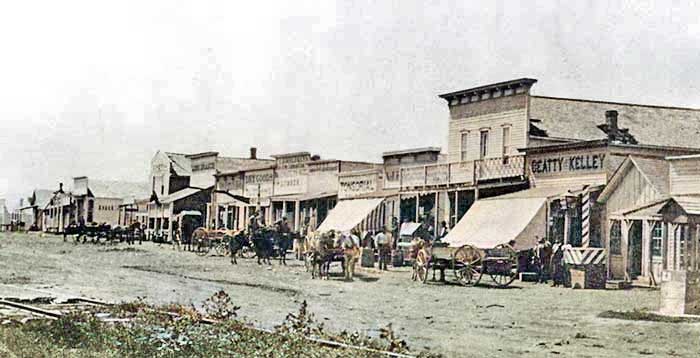
The famous saying, “Get out of Dodge…”

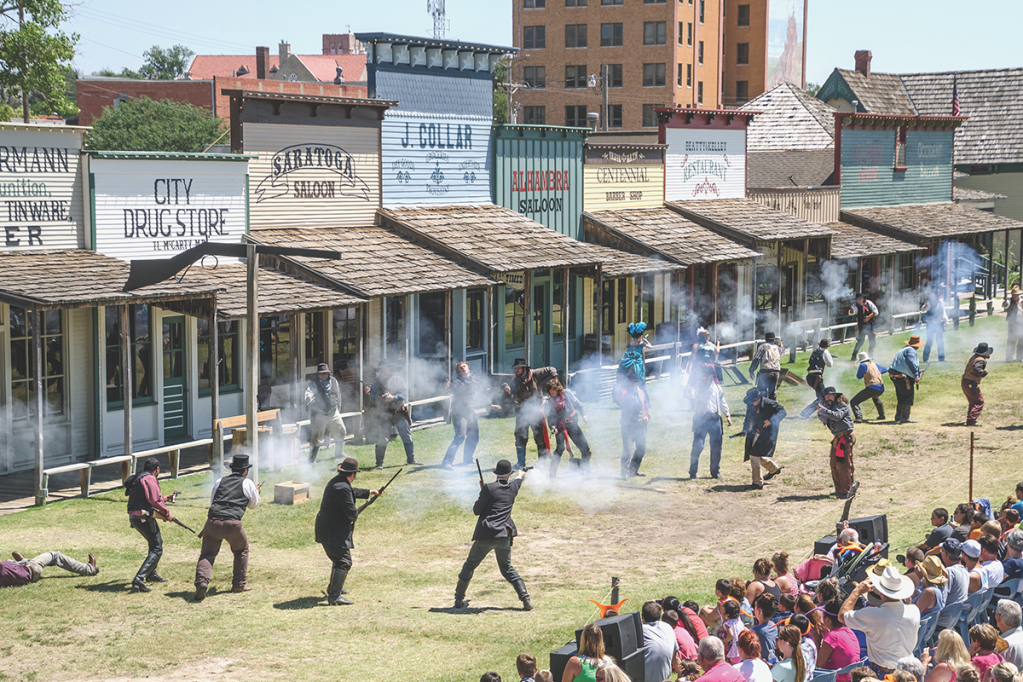
A town where buffalo hunters rested their weary legs, liquored-up, gambled and told their tales of adventures on the plains.

A town in Kansas which, to this day, is a cultural metaphor for violence and anarchy. The town which brings us our famous, “Get out of Dodge…”. Dodge City

.


But how did Dodge City – the onetime buffalo capital of the west – come to be…?


During the latter part of the 19th Century, alongside the Santa Fe Trail out in western Kansas there once stood a destination point for buffalo hunters. A destination point which history has allotted with fables, tales and lore. 

Late in the 19th Century, this settlement became a favorite among those who were brave enough (or maybe, crazy enough) to seek out potential fortunes that westward expansion held in store. 

This destination point – frequented by some of the roughest and toughest characters our country has ever seen – became Dodge City. 


Dodge City is the product of a confluence of circumstances. So let’s look at a few of those interesting circumstances…

One early congregation point for buffalo hunters – located in what would go on to become Dodge – was, a modest three-bedroom house.

Henry Sitler constructed his three-bedroom house near Fort Dodge in Kansas. Stiter’s home became known as a place where buffalo hunters’ could stop by. For a stay over. 

Circumstance…

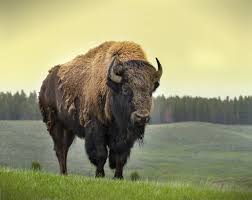
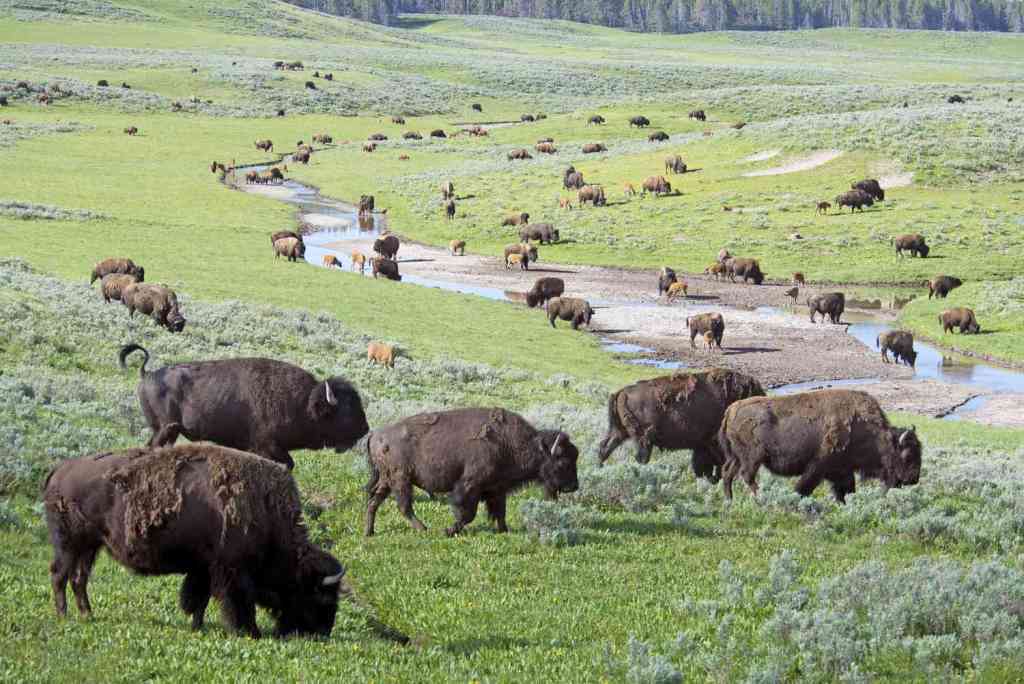
Within a few years of Stitler building his house in what would go on to become Dodge City, over 1 million buffalo were being loaded onto trains – near Fort Dodge, near Stitler’s home – and being shipped east.

While hunters and traders were drawn to buffalo hunts by the profit they could realize through buffalo leather – used for boots and belts – the federal government promoted bison hunting.


In Washington D.C. – as the thinking went in D.C. late in the 19th Century – America was intent on further expanding to the west. So, by reducing the buffalo population in the west, native peoples – people who stood in the way of America’s westward expansion – would lose their primary food source. Bison. Thus, turning – I.e.: forcing – natives towards an American product as their main food source. 


The thinking in D.C. at that time went something like this… Too many natives. And too many buffalos.

So we’ve established some foundational framework for how – and why – Dodge City emerged. 

The American government wanting to reduce the bison population…

Though D.C.’s endorsement, military forts facilitated the extinguishment of bison…

Traders profiteering from buffalo leather…

The inevitable confrontations with native tribes that buffalo hunters – as well as soldiers – were certain to encounter as they slaughtered bison – the primary food source of an indigenous people…

Those, a few of the situational circumstances encountered by visiters to Henry Sitler’s house.

One million buffalo being extinguished…

Alongside Atchison, Topeka and Santa Fe Railroad tracks…laden with train cars loaded with bison, en route to the east, Dodge City emerged as a major shipping center. While simultaneously becoming an American media darling. 

Attracting rugged hunters and traders from all over the nation, American newspapers were gobbling up tales of Dodge City’s bedlam and belligerence. So, Americans’ introduction to Dodge City came by way of stories which made their way to printing presses. Churned out to American newspapers. Sensationalism sells news. Dodge City, in its raw, rough and wild manner, was sensational. Tales of Dodge City’s wildness – the hunters, the traders… – sold newspapers. Dodge City became a favorite topic among American media.


As Dodge City was growing, at its earliest stages, there had been no law enforcement. Buffalo hunters, railroad men and fisticuffs. Coupled to saloons. The perfect elixir for lawlessness. And lawlessness did prevail. In fact, the origin for the name of Dodge City’s famous cemetery – Boot Hill Cemetery – emanates from Dodge City gunfighters who died with their boots on. In raucous Dodge City.

Dodge City, a town built on an economy which had been linked to buffalo. The buffalo trade and Dodge City. The prevalence of buffalo to Dodge City’s story is dynamic…yet short lived.

As Dodge City was growing – as a result of the buffalo trade – back east, in Washington D.C., the American government was intent on permanently putting down Indian resistance to American expansion. Orders were sent to one noted general, General William Sherman. Those orders? Slaughter the bison. Wipe out the natives’ primary food source. Drive natives onto reservations.

Within a few years, the buffalo population was reduced from millions to hundreds. Driving Dodge City’s buffalo hunters out of business. But not driving Dodge City out of business. The extinguishment of American bison simply served to function as a prelude to Dodge City continuing on as a real rough place out west.

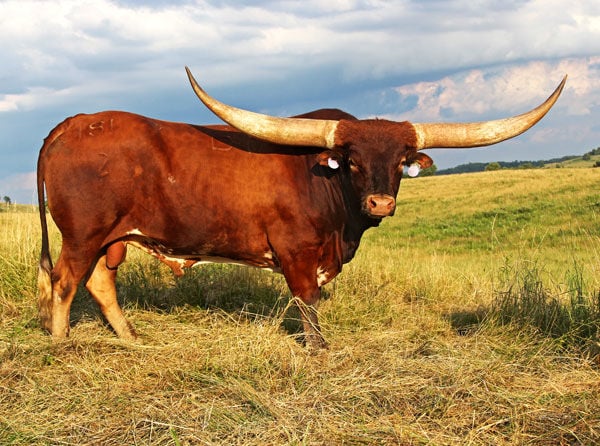
With buffalo having been removed from the plains, the cattle business took off in Dodge. Dodge City became a cowboy town. A still-lawless cowboy town, at that. 


The burgeoning lawlessness of the former buffalo capital of the west needed some sort of order to be established. As a more formal American cattle business replaced the informal buffalo trade in Dodge. And this need for order paved the way for Dodge City’s place within the curiosity of newspaper writers, Hollywood producers and, more broadly, American culture.

Tame Dodge City…

So an old buffalo hunter was brought in to do the job. He himself then proceeded to bring in his friend. Another old buffalo hunter. Together, they were going to temp down this unhinged town.

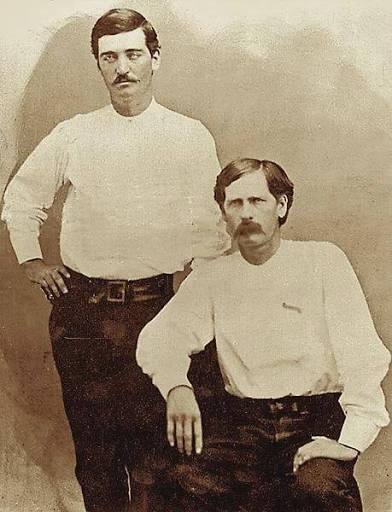
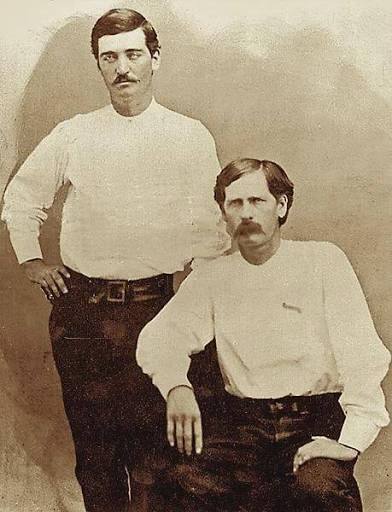
The man brought in to get Dodge under wraps became the deputy marshall. That man – the former buffalo hunter – was Wyatt Earp.

And the man Wyatt Earp brought in to help him to tame Dodge. The man Wyatt Earp appointed as his deputy marshall? That man – another former buffalo hunter – was Bat Masterson.

The famous saying, “Get out of Dodge…”

A town where buffalo hunters rested their weary legs, liquored-up, gambled and told their tales of adventures on the plains.

A town in Kansas which, to this day, is a cultural metaphor for violence and anarchy. The town which brings us our famous, “Get out of Dodge…”. Dodge City.


But how did Dodge City – the onetime buffalo capital of the west -come to be…?


During the latter part of the 19th Century, alongside the Santa Fe Trail out in western Kansas there once stood a destination point for buffalo hunters. A destination point which history has allotted with fables, tales and lore.

Late in the 19th Century, this settlement became a favorite among those who were brave enough (or maybe, crazy enough) to seek out potential fortunes that westward expansion held in store. 

This destination point – frequented by some of the roughest and toughest characters our country has ever seen – became Dodge City. 


Dodge City is the product of a confluence of circumstances. So let’s look at a few of those interesting circumstances…

One early congregation point for buffalo hunters – located in what would go on to become Dodge – was, a modest three-bedroom house.

Henry Sitler constructed his three-bedroom house near Fort Dodge in Kansas. Stiter’s home became known as a place where buffalo hunters’ could stop by. For a stay over.

Circumstance…

Within a few years of Stitler building his house in what would go on to become Dodge City, over 1 million buffalo were being loaded onto trains – near Fort Dodge, near Stitler’s home – and being shipped east.

While hunters and traders were drawn to buffalo hunts by the profit they could realize through buffalo leather – used for boots and belts – the federal government promoted bison hunting.

In Washington D.C. – as the thinking went in D.C. late in the 19th Century – America was intent on further expanding to the west. So, by reducing the buffalo population in the west, the native peoples – people who stood in the way of America’s westward expansion – would lose their primary food source. Bison. Thus, turning – I.e.: forcing -the natives towards an American product as their main food source. 

The thinking in D.C. at that time went something like this… Too many natives. And too many buffalos.

So we’ve established some foundational framework for how – and why – Dodge City emerged.

The American government wanting to reduce the bison population…

Though D.C.’s endorsement, military forts then facilitated the extinguishment of bison…

Traders profiteering from buffalo leather…

The inevitable confrontations with native tribes that buffalo hunters – as well as soldiers – were certain to encounter as they slaughtered bison – the primary food source of an indigenous people…

Those, a few of the situational circumstances encountered by visiters to Henry Sitler’s house.

One million buffalo being extinguished…

Alongside Atchison, Topeka and Santa Fe Railroad Kansas train tracks…laden with train cars loaded with bison, en route to the east…Dodge City emerged as a major shipping center. While simultaneously becoming an American media darling.

Attracting rugged hunters and traders from all over the nation, American newspapers were gobbling up tales of Dodge City’s bedlam and belligerence. So, Americans introduction to Dodge City came by way of stories which made their way to printing presses. Churned out to American newspapers. Sensationalism sells news. Dodge City, in its raw, rough and wild manner, was sensational. Tales of Dodge City’s wild-ness – the hunters, the traders… – sold newspapers. Dodge City became a favorite topic among American media.


As Dodge City was growing, at its earliest stages, there had been no law enforcement. Buffalo hunters, railroad men and fisticuffs. Coupled to saloon. The perfect elixir for lawlessness. As lawlessness did prevail. In fact, the origin for the name of Dodge City’s famous cemetery – Boot Hill Cemetery – emanates from Dodge City gunfighters who died with their boots on. In raucous Dodge City.

Dodge City was a town built on an economy linked to buffalo…

The buffalo trade and Dodge City. The prevalence of buffalo to Dodge City’s story is dynamic…yet short lived.

As Dodge City was growing – the result of the buffalo trade – back east, in Washington D.C., the American government was intent on permanently putting down Indian resistance to American expansion. Orders were sent to one noted general – General William Sherman. Those orders? Slaughter the bison. Wipe out the natives’ primary food source. Drive natives onto reservations.

Within a few years, the buffalo population was reduced from millions to hundreds. Driving Dodge City’s buffalo hunters out of business. But not driving Dodge City out of business. The extinguishment of American bison simply served to function as a prelude to Dodge City continuing on as a real rough place out west.

With buffalo having been removed from the plains, the cattle business took off in Dodge. Dodge City became a cowboy town. A still-lawless cowboy town, at that.


The burgeoning lawlessness of the former buffalo capital of the west needed some sort of order to be established. As a more formal American cattle business replaced the informal buffalo trade in Dodge. And this need for order paved the way for Dodge City’s place within the curiosity of newspaper writers, Hollywood producers and, more broadly, American culture.

Tame Dodge City…

So an old buffalo hunter was brought in to do the job. He himself then proceeded to bring in his friend. Another old buffalo hunter. Together, they were going to temp down this unhinged town.

The man brought in to get Dodge under wraps became the deputy marshall. That man – the former buffalo hunter – was Wyatt Earp.

And the man Wyatt Earp brought in to help him to tame Dodge. The man Wyatt Earp appointed as his deputy marshall? That man – another former buffalo hunter – was Bat Masterson.

Kansas City’s Old Film Row


A film row is a collection of film studio offices which are located next to each other. Film rows functioned as motion picture industry sales hubs and fulfillment centers. Film rows also played host to meetings and events.

From the 1920’s and on through the 1970’s, Hollywood used film rows to produce and distribute content.

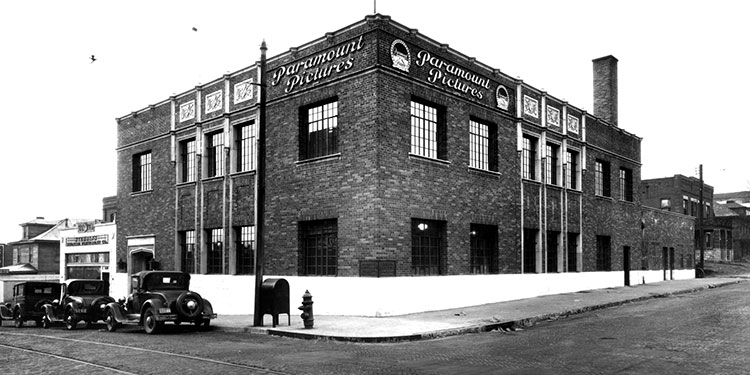
Kansas City’s Old Film Row was located in what is today Crossroads Arts District – 17 buildings within a four block radius. Most of those buildings are still there.

Columbia Pictures and Paramount had offices between Central and Wyandotte on 18th Street.

Where 17th Street intersects with Wyandotte, Warner Brothers and Universal Studios were across the street from one another. 1700 Wyandotte had been Universal Studios’ Midwest storage and distribution center.

United Artists had an office on the corner of Central and 18th Street.

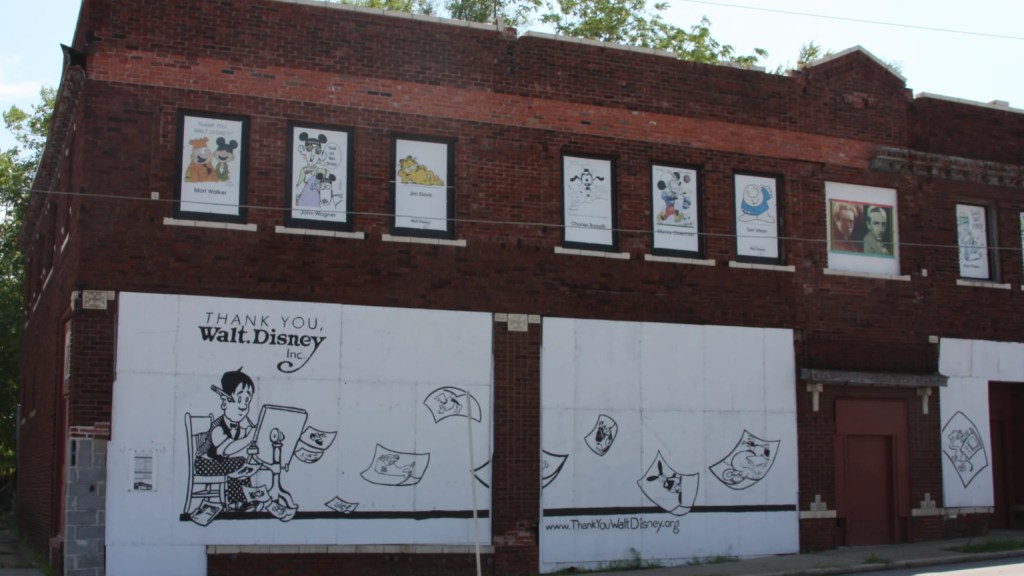
Walt Disney Company was located on 18th Street…just off Wyandotte.

Disney evolved out of Laugh-O-Gram Studio. Laugh-O-Gram started out in the McConahay Building – 1127 East 31st Street.

The MGM building – built in 1930 – was at 220 West 18th Street.

National Screen Service – 18th Street and Baltimore – was one of the largest distributors of movie posters, accessories and print ads.

Screenland Café – Wyandotte and 18th Street – had two screening rooms as well as two theatre circuits. Those two theatre circuits would evolve into AMC Theaters.

AMC was founded in 1920 in KC by Maurice, Edward and Barney Dubinsky. The Durbinsky’s would go on to change their name. From Dubinsky to Durwood.

Prior to AMC, the Durwood’s had Durwood Theatres. Durwood Theatres started out on Baltimore Street. In Old Film Row.