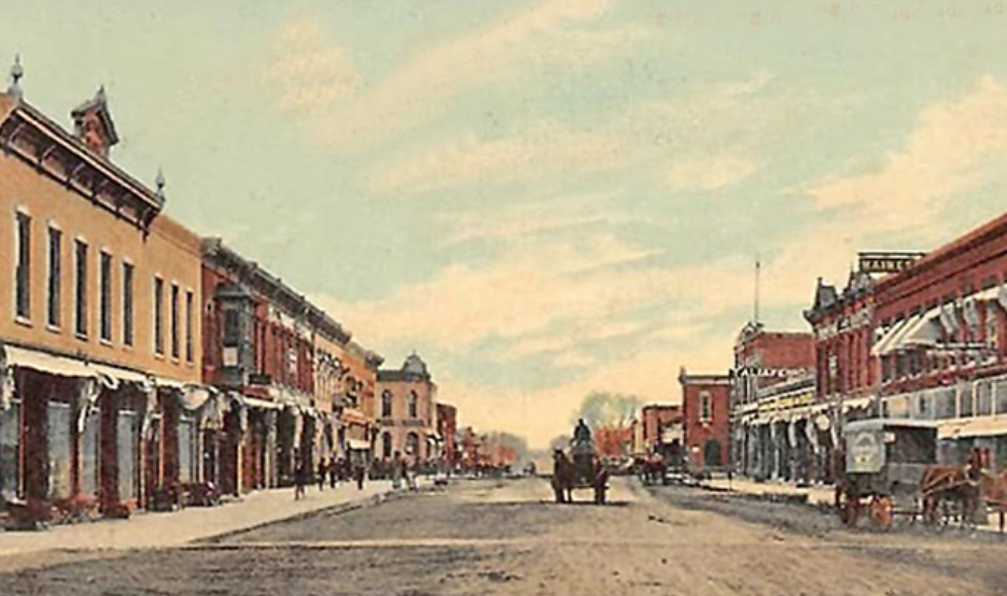
El Dorado, Kansas – home to the Kansas Oil Museum – sits alongside the Walnut River, 24 miles to the northeast of Wichita.
El Dorado’s beginning was staked out during the 1850s when settlers arrived on this western edge of Kansas’s Flint Hills.
West of El Dorado you’ll encounter the open plains of Kansas. East of El Dorado you’ll see limestone-caps in the Flint Hills.
El Dorado’s first settlers established trading posts, seeing promise in timber belts along the river’s banks.
The Walnut River – a tributary of the Arkansas River – is formed through the convergence of two creeks: Cole Creek and Durechon Creek. The Walnut River flows southward through Butler and Cowley Counties, passing through El Dorado, Augusta, Winfield and Douglas before connecting with the Arkansas River in Arkansas City.
The Arkansas River – the longest river in Kansas – and Walnut River meet four miles north of the Oklahoma border.
The river valley surrounding El Dorado has some of the richest soil east of the Rocky Mountains. This nutrient-rich soil found around El Dorado supports a farming economy which developed around the town.


