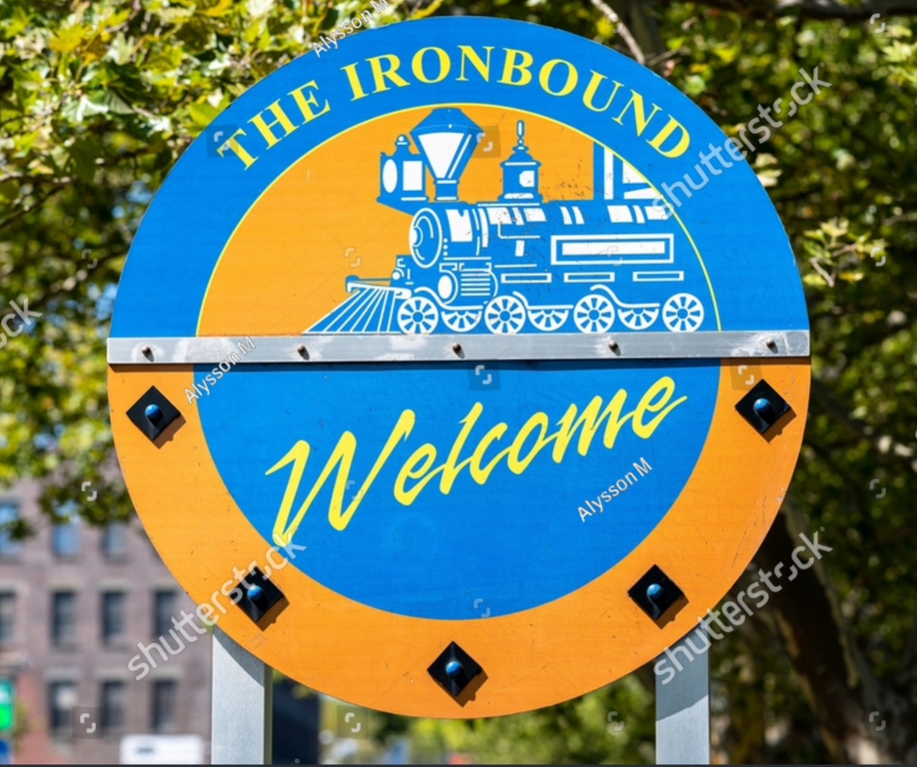
The story behind the iconic name linked to one four square mile section within Newark’s East Ward just east of Penn Station is somewhat argumentative.
While it is somewhat subjective how this Newark neighborhood became The Ironbound, no argument can be made that the origin for this name we are referring to – The Ironbound – came about as a result of what was going on in this Newark neighborhood in the early part of the 19th Century.
Newark was emerging as one of the preeminent United States manufacturing centers. Trains. Lots of trains. Freight trains. Lots of freight trains. Train tracks. Lots of train tracks. And within that network of Newark train tracks is where we find our origin for “The Ironbound” name.
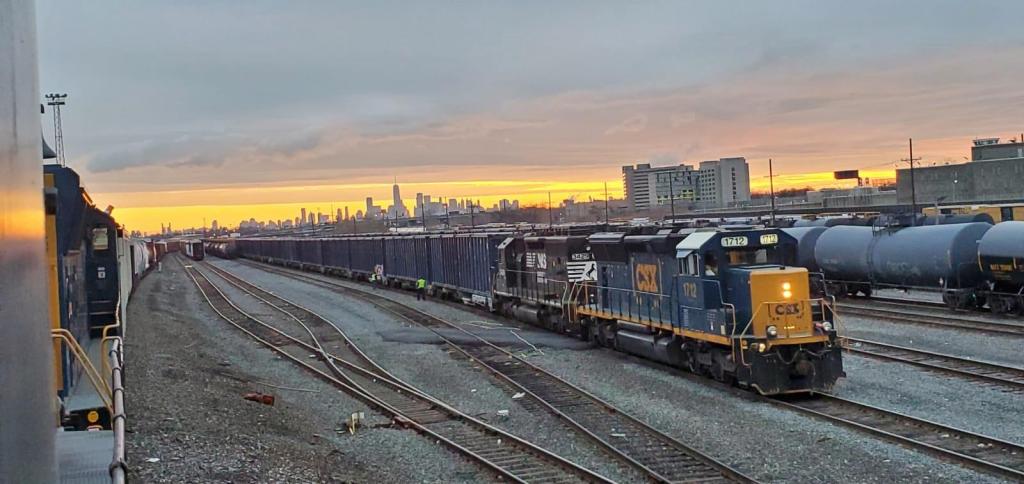
Newark was transitioning away from being an agricultural economy. To its new identity. As an economy built around heavy industry. Freight trains played a major role in the success of Newark’s economic transition.
By the 1830’s, rail had become the most efficient way to transport the finished manufactured goods which were being made in Newark to outside markets. Where they could then be sold.
During the first half of the 19th century – with this advent of rail – what once had been a section of the city, strewn with swamps and farms, was going through a seismic change. It was becoming a neighborhood dominated by heavy industry. The Ironbound. Surrounded by trains tracks. Train tracks everywhere. Hence, the origin for our name, “The Ironbound.” Train tracks. Lots and lots of train tracks. In this four square mile Newark neighborhood. The Ironbound.
There is an alternative point-of-beginning for the name “The Ironbound.” One attributed not to this network of train tracks in Newark’s East Ward. But rather, to the preeminence of metalworking, forges and foundries found in The Ironbound in the mid-19th Century.
A portion of the reasoning for linking the origin of The Ironbound name to 19th Century metalworking – rather than (primarily) to rail – could be found in knowing that train tracks are made of steel. Not iron. But, a caveat…
It was in the mid-19th Century – after The Ironbound already began to transition from farming to heavy industry – that, for the very first time, steel rails could even be thought of as being used as a possible replacement for the iron rails which were always used (up until that time) to lay tracks. The first steel rails – ever used – were laid in Britain. In 1857. 1857…twenty-one years after Newark Broad Street Station opened. As Newark’s first freight station.
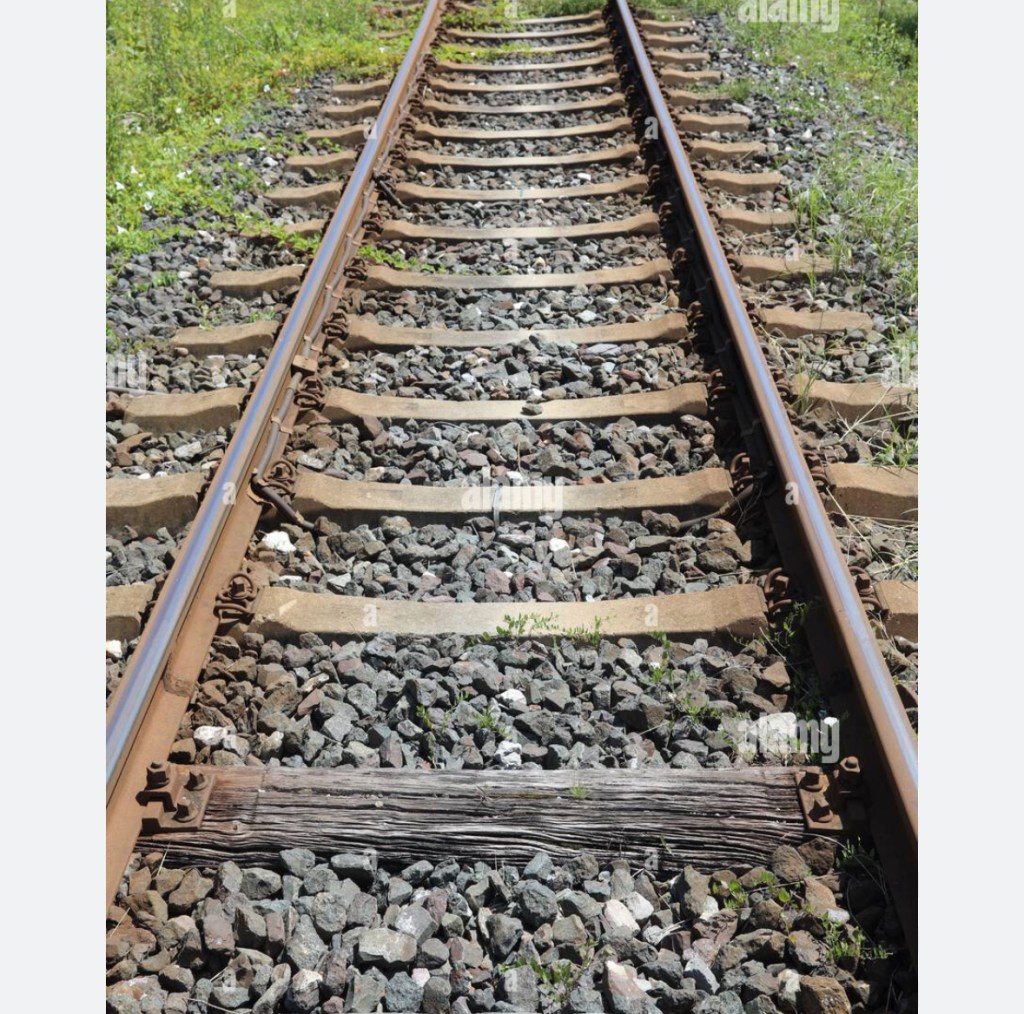
So, when those 19th Century trains roared into – and out of – The Ironbound, those 19th Century tracks the trains rode on were made of iron. Not steel. Hence, The Ironbound.
For those who believe the origin for The Ironbound name is based upon foundries…Seth Boyden.
Seth Boyden opened the first malleable iron foundry in the United States which was capable of producing the buckles and the harnesses which, when used together, then made up the two primary ingredients for the carriage industry. Boyden’s Newark’s foundry was the Malleable Cast Iron Foundry and Condit. The Malleable Foundry and Condit was established in The Ironbound. On Orange Street.
Balbach and Sons Refining and Smelting Company – once the second largest metal processing enterprise in the United States – was located where one now finds Riverbank Park in The Ironbound.
The Oscar Barnet Foundry was located on McWhorter Street in The Ironbound.
Foundries, metalworking and forges. Yet morseso than the foundries which once flourished in The Ironbound, The Ironbound name is most visibly seen today when you drive by 91 Bay Avenue – Oak Island Yard.
Opened in 1903, just about one thousand train cars travel through Oak Island Yard in The Ironbound…to this day.
The Ironbound name? It was those train tracks in The Ironbound. Those iron train tracks.

 Thinking About Becoming a Real Estate Developer?