The National Prohibition Act, known as the Volstead Act or the Valentine Act, was passed to carry out the 18th Amendment prohibition of the manufacture, the transportation and the sale of alcohol.
It was the outlawing of intoxicating beverages. While the Act outlawed alcohol (for awhile) the Act simultaneously facilitated a birth of subcultures. Nightlife in Kansas City during the Prohibition era is one such example.
During the Prohibition era, Kansas City became a wide open town. “Paris of the Plains.” A springboard for bootleg booze, speakeasies, loose morals and gambling.
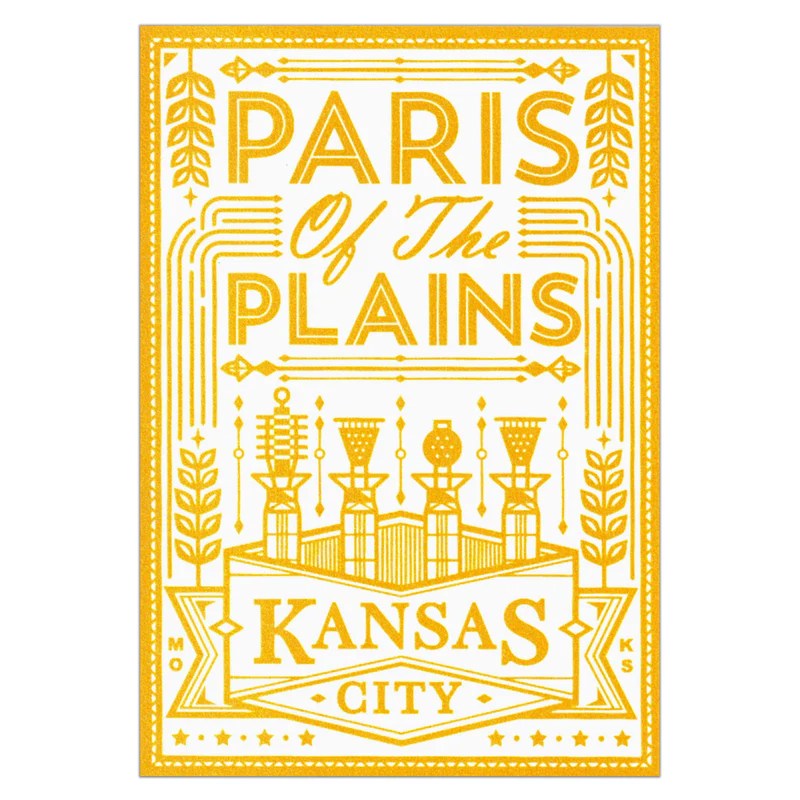
This early-20th Century subculture in Kansas City – fueled by the sale of illegal alcohol – was perfectly coupled to an already-thriving jazz scene. Converging to push the “nightlife needle” in Kansas City up just as prohibition, on paper at least, was supposed to push the alcohol-enhanced “nightlife needle” down.
Kansas City during the Prohibition era. An example for what can occur when there is a convergence of ideals taken from perspectives which are not aligned with societal intentions.
Prohibition had been something like a Puritanical goal coming out of Washington D.C. Washington D.C. was not Kansas City.
The idea of prohibition turned out to be no match for the all-night jazz sessions speakeasies which sprang up in Kansas City.
Prohibition. That idea didn’t work out so well in Kansas City.

 Thinking About Becoming a Real Estate Developer?