During political campaigns, we often hear about goals which are tied to creating more American jobs. Oftentimes, through a reduction in the outsourcing of production – and of manufacturing – to countries which have lower wages and lower production costs. The idea? Creating (or saving) American jobs by not outsourcing. Sounds good, right? Yet by not outsourcing, higher prices will be the result.
Protecting American jobs – I.e.: protectionism – is a nice goal. But it can be rather expensive.
There is another geopolitical topic which is often discussed during political campaigns which can also be rather expensive. Tariffs.
Outsourcing and tariffs. Each of which correlate to prices companies will pay at the wholesale level. Then, to prices consumers pay at the retail level. Those wholesale prices? They directly correlate to the Producer Price Index.
In relation to prices – and thus, to inflation – tariffs are excluded from Producer Price Index computations. So the tariff itself is not included in the Producer Price Index. This is because tariffs are a tax. And taxes are not included in the Producer Price Index. How do tariffs work, in practice? Tariffs are collected by companies, then are passed on to the U.S. Customs and Border Protection Agency by companies.
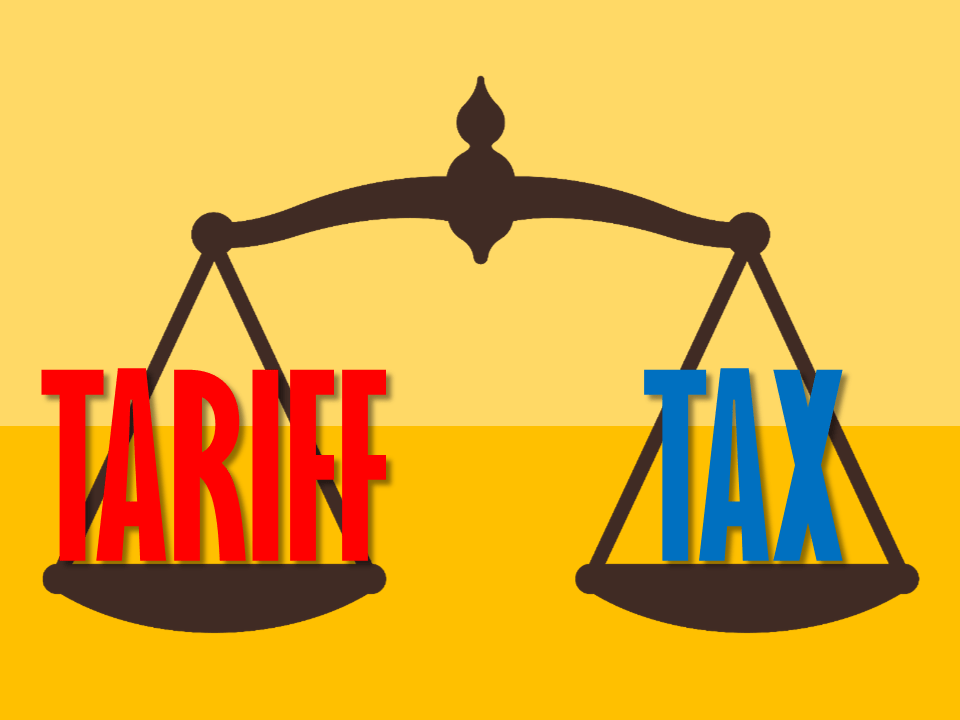
While tariffs are not directly included in the Producer Price Index, it can be argued that tariffs – like protectionism – lead to increases in prices paid by consumers at the retail level. Then, thus, to inflation.
With so much focus on inflation, it would be insightful for more politicians to choose to enter, 1) tariffs, and 2) outsourcing, into conversations about inflation. Doing so would be, shall we say, complete?

 Thinking About Becoming a Real Estate Developer?