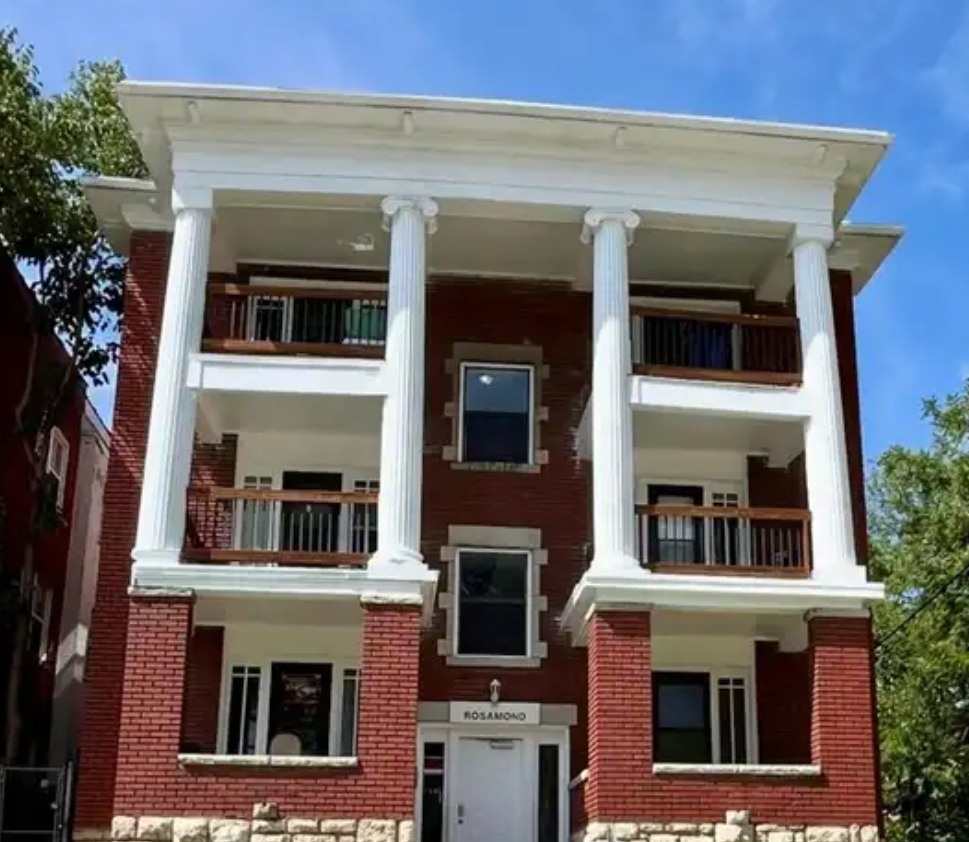
When it comes to financing an apartment building, banks, investors or partnerships constitute options developers may consider. So too can be the government.
The government…
Section 207 HUD loans through the 223(f) program are well-suited to finance the purchase of or the refinance of multifamily rental properties. Multifamily apartment buildings which are deemed to be in good condition. Properties that require substantial rehabilitation are not eligible for mortgage insurance (“MI”) in this program. Critical repairs must be made prior to the issuance of an endorsement.
Purpose…
The 223(f) program utilizes 35-year Government National Mortgage Association mortgages. GinnieMae mortgages…so competitive interest rates are available.
Eligible properties…
Properties must contain at least five residential units with kitchens and bathrooms which are in good condition. Furthermore, the property must have been rehabilitated at least three years prior to applying for MI. Non-critical repairs may be completed up to twelve months after closing.
Projects requiring substantial rehabilitation are not eligible for this program. An example of “substantial rehabilitation” would be the replacement of more than one major system.
The economic life for a project must be long enough for a ten-year mortgage to make sense. Amortization cannot exceed, 1) 35 years, or 2) 75% of the estimated life of improvements. The lesser of.
Here are some of the details…
87% LTV for projects with 90% (or greater) rental assistance.
85% LTV for projects that meet the definition of “affordable housing.”
83.3% LTV for market rate projects.
Participant eligibility includes for-profit and non-profit applicants.
Section 223(f) provides for Multifamily Accelerated Processing (MAP). Meaning, the sponsor works with a MAP-approved lender to obtain a firm commitment.
Files are underwritten to determine whether the project constitutes an acceptable risk. Considerations for approval include market need, as well as capabilities of the borrower.
Underwriters determine whether there will be enough project income to repay the loan, taking into account project expenses. Should the project satisfy program requirements, a commitment for MI is issued.
Applications submitted by non-MAP lenders are processed by a HUD field office through Traditional Application Processing (TAP).
With TAP, there are two processing stages: 1) the conditional commitment stage, and 2) the firm commitment stage.
The sponsor participates in a pre-application conference to determine the appraisal value of the property as well as the loan amount.
At the firm commitment stage, the loan amount is determined.
For proposals which meet program requirements, a MI commitment will be issued.

 Thinking About Becoming a Real Estate Developer?